The speaker laments the fleeting nature of divine moments and past visions, acknowledging a mutual innocence in the way these 'fugitive' experiences have departed from him.
4 of 7 in Chapter XXXIII. THE GRAVE-SONG237 of 593 in work
Faithful to Faithlessness
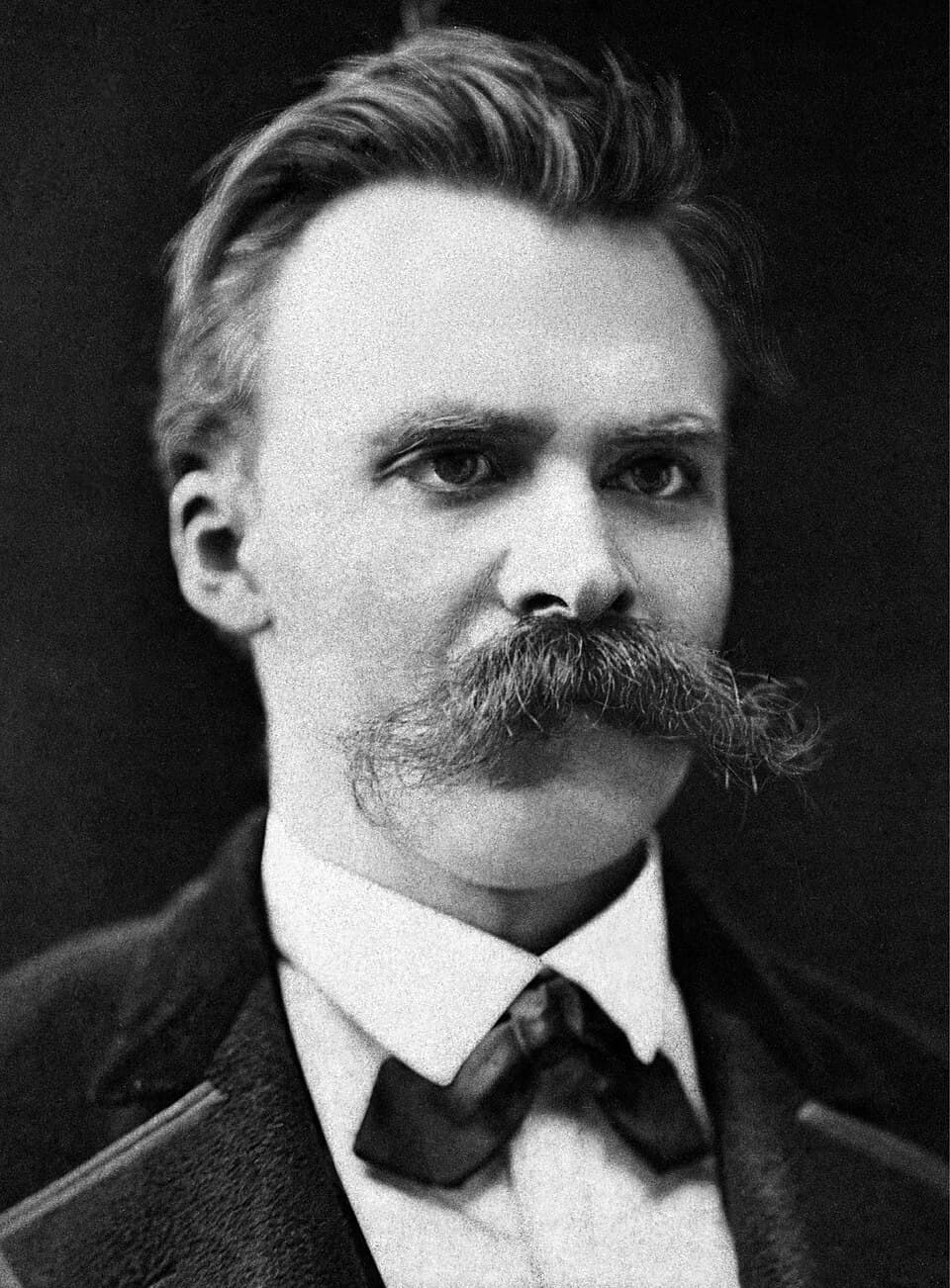
Friedrich Nietzsche
Thus Spake Zarathustra...est and most to be envied—I, the lonesomest one! For I HAVE POSSESSED you, and ye possess me still. Tell me: to whom hath there ever fallen such rosy apples from the tree as have fallen unto me? Still am I your love’s heir and heritage, blooming to your memory with many-hued, wild-growing virtues, O ye dearest ones! Ah, we were made to remain nigh unto each other, ye kindly strange marvels; and not like timid birds did ye come to me and my longing—nay, but as trusting ones to a trusting one!
Yea, made for faithfulness, like me, and for fond eternities, must I now name you by your faithlessness, ye divine glances and fleeting gleams: no other name have I yet learnt. Verily, too early did ye die for me, ye fugitives. Yet did ye not flee from me, nor did I flee from you: innocent are we to each other in our faithlessness.
To kill ME, did they strangle you, ye singing birds of my hopes! Yea, at you, ye dearest ones, did malice ever shoot its arrows—to hit my heart! And they hit it! Because ye were always my dearest, my possession and my possessedness: ON THAT ACCOUNT had ye to die young, and far too early! At my most vulnerable point did they shoot the arrow—namely, at you, whose skin is like down—or more like the smile that dieth at a glance! But this word will I say unto mine enemies: What is all manslaught...
2
5 of 7 in Chapter XXXIII. THE GRAVE-SONG238 of 593 in work
⚖Loss Through Dearest Ones

Friedrich Nietzsche
Thus Spake ZarathustraA confession of grief over the loss of youthful hopes and ideals, which the author feels were targeted and destroyed by the malice of others to wound his spirit.
...to remain nigh unto each other, ye kindly strange marvels; and not like timid birds did ye come to me and my longing—nay, but as trusting ones to a trusting one! Yea, made for faithfulness, like me, and for fond eternities, must I now name you by your faithlessness, ye divine glances and fleeting gleams: no other name have I yet learnt. Verily, too early did ye die for me, ye fugitives. Yet did ye not flee from me, nor did I flee from you: innocent are we to each other in our faithlessness.
To kill ME, did they strangle you, ye singing birds of my hopes! Yea, at you, ye dearest ones, did malice ever shoot its arrows—to hit my heart! And they hit it! Because ye were always my dearest, my possession and my possessedness: ON THAT ACCOUNT had ye to die young, and far too early!
At my most vulnerable point did they shoot the arrow—namely, at you, whose skin is like down—or more like the smile that dieth at a glance! But this word will I say unto mine enemies: What is all manslaughter in comparison with what ye have done unto me! Worse evil did ye do unto me than all manslaughter; the irretrievable did ye take from me:—thus do I speak unto you, mine enemies! Slew ye not my youth’s visions and dearest marvels! My playmates took ye from me, the blessed spirits! To the...
2
6 of 7 in Chapter XXXIII. THE GRAVE-SONG239 of 593 in work
⚖The Irretrievable Loss

Friedrich Nietzsche
Thus Spake ZarathustraA bitter confession regarding the spiritual 'manslaughter' committed by enemies who destroyed the author's most vulnerable and irretrievable hopes.
...fleeting gleams: no other name have I yet learnt. Verily, too early did ye die for me, ye fugitives. Yet did ye not flee from me, nor did I flee from you: innocent are we to each other in our faithlessness. To kill ME, did they strangle you, ye singing birds of my hopes! Yea, at you, ye dearest ones, did malice ever shoot its arrows—to hit my heart! And they hit it! Because ye were always my dearest, my possession and my possessedness: ON THAT ACCOUNT had ye to die young, and far too early!
At my most vulnerable point did they shoot the arrow—namely, at you, whose skin is like down—or more like the smile that dieth at a glance! But this word will I say unto mine enemies: What is all manslaughter in comparison with what ye have done unto me! Worse evil did ye do unto me than all manslaughter; the irretrievable did ye take from me:—thus do I speak unto you, mine enemies!
Slew ye not my youth’s visions and dearest marvels! My playmates took ye from me, the blessed spirits! To their memory do I deposit this wreath and this curse. This curse upon you, mine enemies! Have ye not made mine eternal short, as a tone dieth away in a cold night! Scarcely, as the twinkle of divine eyes, did it come to me—as a fleeting gleam! Thus spake once in a happy hour my purity: “Divine shall everything be unto me.” Then did ye haunt me with foul phantoms; ah, whither hath that h...
2
7 of 7 in Chapter XXXIII. THE GRAVE-SONG240 of 593 in work
⚖The Unbreakable Will

Friedrich Nietzsche
Thus Spake ZarathustraThe author celebrates the invulnerability and persistence of his Will, describing it as a force that survives all burials and demolishes all graves to remain hopeful.
...ument! Already did I stand prepared for the best dance: then didst thou slay my rapture with thy tones! Only in the dance do I know how to speak the parable of the highest things:—and now hath my grandest parable remained unspoken in my limbs! Unspoken and unrealised hath my highest hope remained! And there have perished for me all the visions and consolations of my youth! How did I ever bear it? How did I survive and surmount such wounds? How did my soul rise again out of those sepulchres?
Yea, something invulnerable, unburiable is with me, something that would rend rocks asunder: it is called MY WILL. Silently doth it proceed, and unchanged throughout the years. Its course will it go upon my feet, mine old Will; hard of heart is its nature and invulnerable. Invulnerable am I only in my heel. Ever livest thou there, and art like thyself, thou most patient one! Ever hast thou burst all shackles of the tomb! In thee still liveth also the unrealisedness of my youth; and as life and youth sittest thou here hopeful on the yellow ruins of graves. Yea, thou art still for me the demolisher of all graves: Hail to thee, my Will!
And only where there are graves are there resurrections.— Thus sang Zarathustra. XXXIV. SELF-SURPASSING. “Will to Truth” do ye call it, ye wisest ones, that which impelleth you and maketh you ardent? Will for the thinkableness of all being: thus do I call your will! All being would ye MAKE thinkable: for ye doubt with good reason whether it be already thinkable. But it shall accommodate and bend itself to you! So willeth your will. Smooth shall it become and subject to the spirit, a...
2
1 of 10 in Chapter XXXIV. SELF-SURPASSING241 of 593 in work
Now entering Chapter XXXIV. SELF-SURPASSING
⚖Will to Thinkableness

Friedrich Nietzsche
Thus Spake ZarathustraThe 'Will to Truth' is reinterpreted as a 'Will to Power,' where thinkers attempt to make all of existence thinkable and subject to the human spirit's own values.
...d invulnerable. Invulnerable am I only in my heel. Ever livest thou there, and art like thyself, thou most patient one! Ever hast thou burst all shackles of the tomb! In thee still liveth also the unrealisedness of my youth; and as life and youth sittest thou here hopeful on the yellow ruins of graves. Yea, thou art still for me the demolisher of all graves: Hail to thee, my Will! And only where there are graves are there resurrections.— Thus sang Zarathustra. XXXIV. SELF-SURPASSING.
“Will to Truth” do ye call it, ye wisest ones, that which impelleth you and maketh you ardent? Will for the thinkableness of all being: thus do I call your will! All being would ye MAKE thinkable: for ye doubt with good reason whether it be already thinkable. But it shall accommodate and bend itself to you! So willeth your will. Smooth shall it become and subject to the spirit, as its mirror and reflection. That is your entire will, ye wisest ones, as a Will to Power; and even when ye speak of good and evil, and of estimates of value. Ye would still create a world before which ye can bow the knee: such is your ultimate hope and ecstasy.
The ignorant, to be sure, the people—they are like a river on which a boat floateth along: and in the boat sit the estimates of value, solemn and disguised. Your will and your valuations have ye put on the river of becoming; it betrayeth unto me an old Will to Power, what is believed by the people as good and evil. It was ye, ye wisest ones, who put such guests in this boat, and gave them pomp and proud names—ye and your ruling Will! Onward the river now carrieth your boat: it MUST carry it...
2