4 of 6 in Chapter XIX. THE BITE OF THE ADDER142 of 593 in work
Returning Evil for Evil
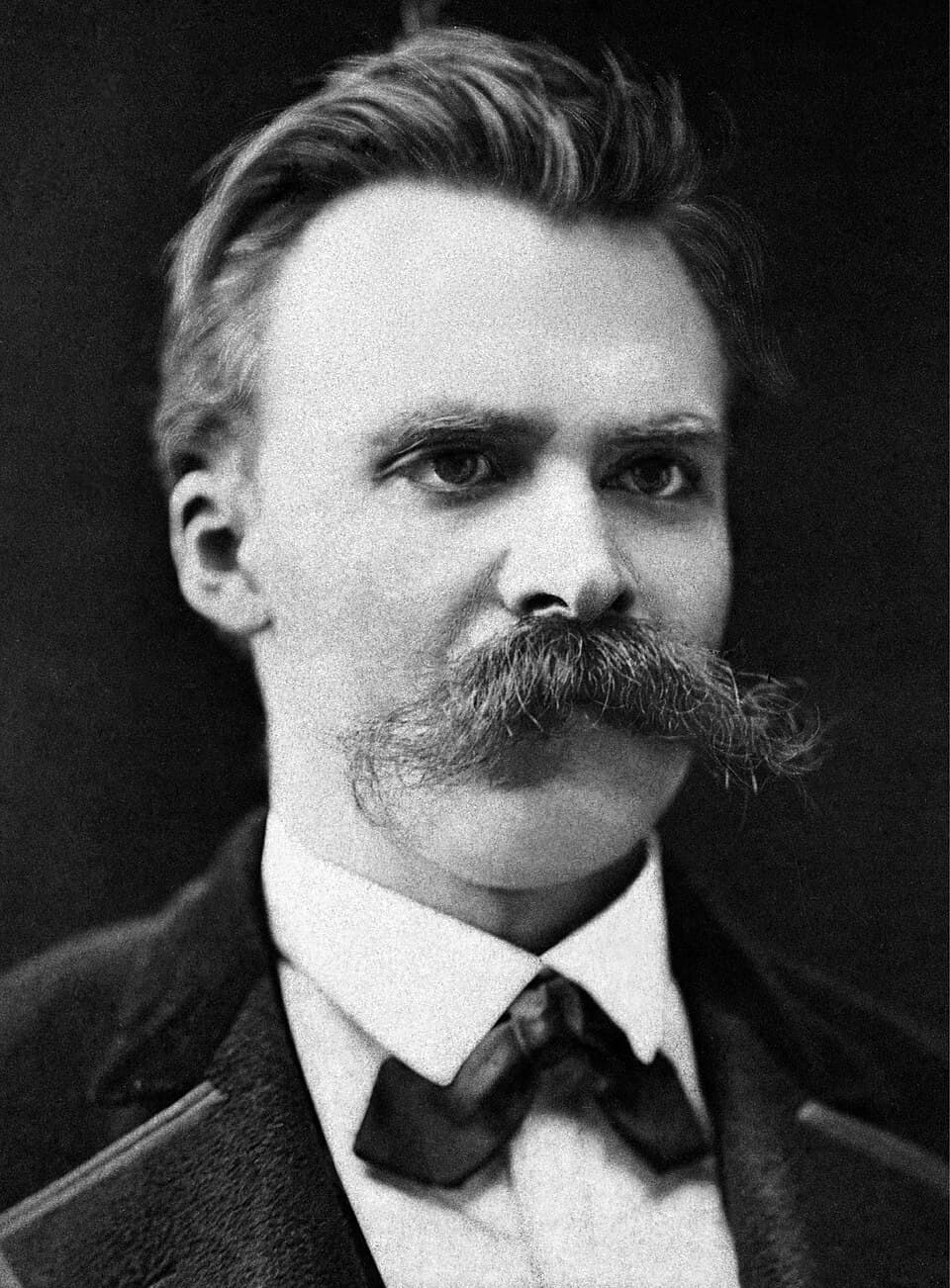
Friedrich Nietzsche
Thus Spake Zarathustra

A provocative prescription to reject the 'good and just' practice of returning good for evil, suggesting instead that shared injustice is more honest and less shaming.

...Thou hast awakened me in time; my journey is yet long.” “Thy journey is short,” said the adder sadly; “my poison is fatal.” Zarathustra smiled. “When did ever a dragon die of a serpent’s poison?”—said he. “But take thy poison back! Thou art not rich enough to present it to me.” Then fell the adder again on his neck, and licked his wound. When Zarathustra once told this to his disciples they asked him: “And what, O Zarathustra, is the moral of thy story?” And Zarathustra answered them thus:
The destroyer of morality, the good and just call me: my story is immoral. When, however, ye have an enemy, then return him not good for evil: for that would abash him. But prove that he hath done something good to you. And rather be angry than abash any one! And when ye are cursed, it pleaseth me not that ye should then desire to bless. Rather curse a little also! And should a great injustice befall you, then do quickly five small ones besides. Hideous to behold is he on whom injustice presseth alone. Did ye ever know this? Shared injustice is half justice. And he who can bear it, shall take the injustice upon himself!
A small revenge is humaner than no revenge at all. And if the punishment be not also a right and an honour to the transgressor, I do not like your punishing. Nobler is it to own oneself in the wrong than to establish one’s right, especially if one be in the right. Only, one must be rich enough to do so. I do not like your cold justice; out of the eye of your judges there always glanceth the executioner and his cold steel. Tell me: where find we justice, which is love with seeing eyes? Devi...
4
5 of 6 in Chapter XIX. THE BITE OF THE ADDER143 of 593 in work
Shared Injustice
Friedrich Nietzsche
Thus Spake Zarathustra

The author suggests that a small revenge or shared injustice is more humane and honorable than silent suffering. He argues that punishment should be a right and an honor to the transgressor rather than a mere suppression.

...When Zarathustra once told this to his disciples they asked him: “And what, O Zarathustra, is the moral of thy story?” And Zarathustra answered them thus: The destroyer of morality, the good and just call me: my story is immoral. When, however, ye have an enemy, then return him not good for evil: for that would abash him. But prove that he hath done something good to you. And rather be angry than abash any one! And when ye are cursed, it pleaseth me not that ye should then desire to bless.
Rather curse a little also! And should a great injustice befall you, then do quickly five small ones besides. Hideous to behold is he on whom injustice presseth alone. Did ye ever know this? Shared injustice is half justice. And he who can bear it, shall take the injustice upon himself! A small revenge is humaner than no revenge at all. And if the punishment be not also a right and an honour to the transgressor, I do not like your punishing.
Nobler is it to own oneself in the wrong than to establish one’s right, especially if one be in the right. Only, one must be rich enough to do so. I do not like your cold justice; out of the eye of your judges there always glanceth the executioner and his cold steel. Tell me: where find we justice, which is love with seeing eyes? Devise me, then, the love which not only beareth all punishment, but also all guilt! Devise me, then, the justice which acquitteth every one except the judge! An...
3
6 of 6 in Chapter XIX. THE BITE OF THE ADDER144 of 593 in work
Justice as Seeing Love
Friedrich Nietzsche
Thus Spake Zarathustra

The author calls for a noble form of justice rooted in love and the willingness to take on guilt, rather than the cold, punitive justice of the executioner.

...aseth me not that ye should then desire to bless. Rather curse a little also! And should a great injustice befall you, then do quickly five small ones besides. Hideous to behold is he on whom injustice presseth alone. Did ye ever know this? Shared injustice is half justice. And he who can bear it, shall take the injustice upon himself! A small revenge is humaner than no revenge at all. And if the punishment be not also a right and an honour to the transgressor, I do not like your punishing.
Nobler is it to own oneself in the wrong than to establish one’s right, especially if one be in the right. Only, one must be rich enough to do so. I do not like your cold justice; out of the eye of your judges there always glanceth the executioner and his cold steel. Tell me: where find we justice, which is love with seeing eyes? Devise me, then, the love which not only beareth all punishment, but also all guilt!
Devise me, then, the justice which acquitteth every one except the judge! And would ye hear this likewise? To him who seeketh to be just from the heart, even the lie becometh philanthropy. But how could I be just from the heart! How can I give every one his own! Let this be enough for me: I give unto every one mine own. Finally, my brethren, guard against doing wrong to any anchorite. How could an anchorite forget! How could he requite! Like a deep well is an anchorite. Easy is it to throw...
4
1 of 9 in Chapter XX. CHILD AND MARRIAGE145 of 593 in work
Now entering Chapter XX. CHILD AND MARRIAGE
Entitled to Desire
Friedrich Nietzsche
Thus Spake Zarathustra

The author challenges the reader to examine whether their desire for marriage and children stems from self-mastery and victory or merely from animal necessity and loneliness.

...give every one his own! Let this be enough for me: I give unto every one mine own. Finally, my brethren, guard against doing wrong to any anchorite. How could an anchorite forget! How could he requite! Like a deep well is an anchorite. Easy is it to throw in a stone: if it should sink to the bottom, however, tell me, who will bring it out again? Guard against injuring the anchorite! If ye have done so, however, well then, kill him also!— Thus spake Zarathustra. XX. CHILD AND MARRIAGE.
I have a question for thee alone, my brother: like a sounding-lead, cast I this question into thy soul, that I may know its depth. Thou art young, and desirest child and marriage. But I ask thee: Art thou a man ENTITLED to desire a child? Art thou the victorious one, the self-conqueror, the ruler of thy passions, the master of thy virtues? Thus do I ask thee. Or doth the animal speak in thy wish, and necessity? Or isolation? Or discord in thee?
I would have thy victory and freedom long for a child. Living monuments shalt thou build to thy victory and emancipation. Beyond thyself shalt thou build. But first of all must thou be built thyself, rectangular in body and soul. Not only onward shalt thou propagate thyself, but upward! For that purpose may the garden of marriage help thee! A higher body shalt thou create, a first movement, a spontaneously rolling wheel—a creating one shalt thou create. Marriage: so call I the will of the...
3
2 of 9 in Chapter XX. CHILD AND MARRIAGE146 of 593 in work
The Victorious Parent
Friedrich Nietzsche
Thus Spake Zarathustra

A prescription for parenthood that demands self-mastery and victory over one's passions before bringing a child into the world. The author argues that procreation should be an upward movement of self-surpassing rather than a result of loneliness or animal necessity.

...How could he requite! Like a deep well is an anchorite. Easy is it to throw in a stone: if it should sink to the bottom, however, tell me, who will bring it out again? Guard against injuring the anchorite! If ye have done so, however, well then, kill him also!— Thus spake Zarathustra. XX. CHILD AND MARRIAGE. I have a question for thee alone, my brother: like a sounding-lead, cast I this question into thy soul, that I may know its depth. Thou art young, and desirest child and marriage.
But I ask thee: Art thou a man ENTITLED to desire a child? Art thou the victorious one, the self-conqueror, the ruler of thy passions, the master of thy virtues? Thus do I ask thee. Or doth the animal speak in thy wish, and necessity? Or isolation? Or discord in thee? I would have thy victory and freedom long for a child. Living monuments shalt thou build to thy victory and emancipation. Beyond thyself shalt thou build. But first of all must thou be built thyself, rectangular in body and soul. Not only onward shalt thou propagate thyself, but upward! For that purpose may the garden of marriage help thee!
A higher body shalt thou create, a first movement, a spontaneously rolling wheel—a creating one shalt thou create. Marriage: so call I the will of the twain to create the one that is more than those who created it. The reverence for one another, as those exercising such a will, call I marriage. Let this be the significance and the truth of thy marriage. But that which the many-too-many call marriage, those superfluous ones—ah, what shall I call it? Ah, the poverty of soul in the twain! Ah,...
3