The author defends 'healthy selfishness' as a virtue of the powerful soul and the disciplined, beautiful body that enjoys its own existence.
7 of 8 in Chapter LIV. THE THREE EVIL THINGS379 of 593 in work
The Healthy Selfishness
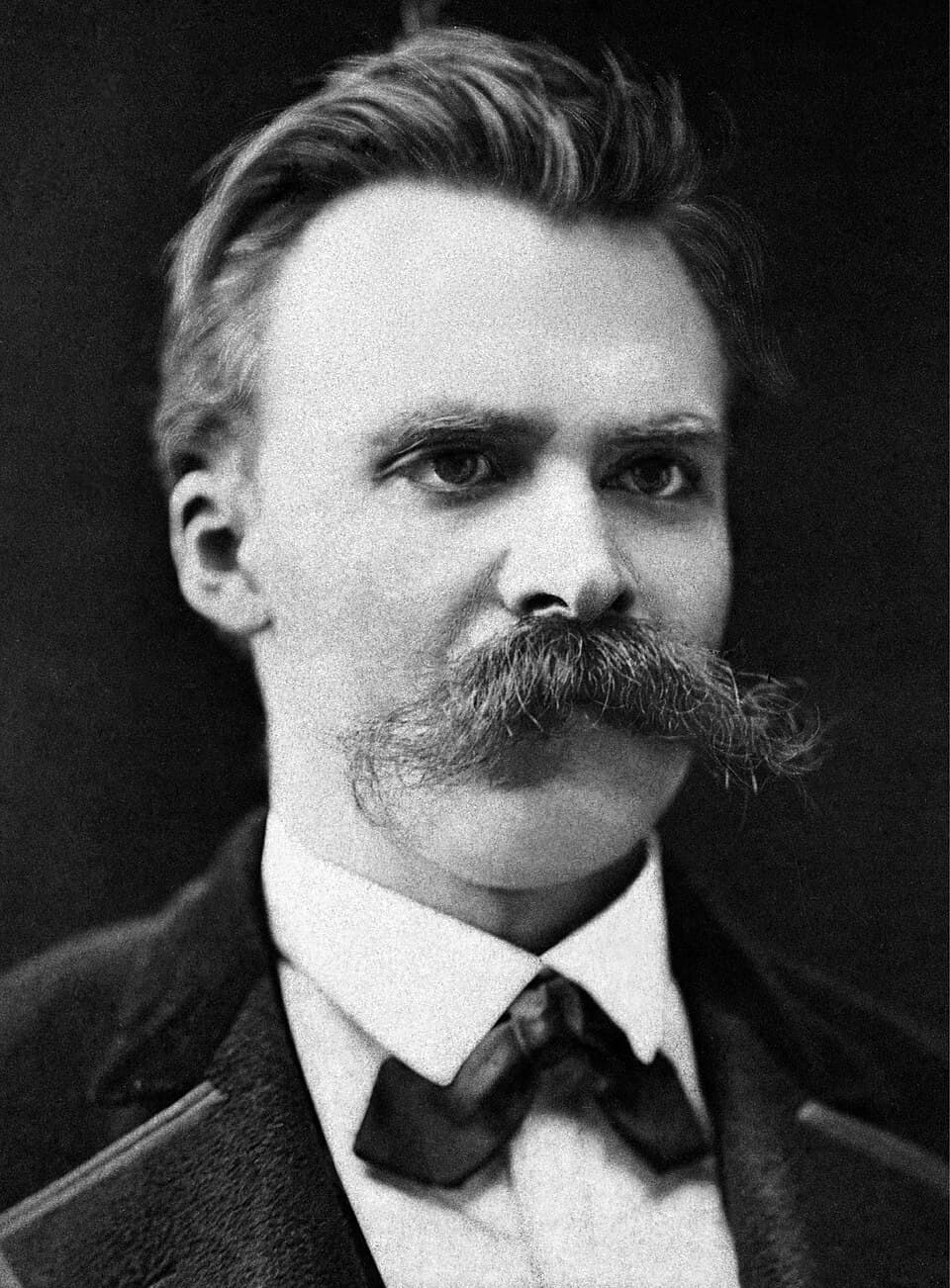
Friedrich Nietzsche
Thus Spake Zarathustra...y on earthly heavens. Passion for power: but who would call it PASSION, when the height longeth to stoop for power! Verily, nothing sick or diseased is there in such longing and descending! That the lonesome height may not for ever remain lonesome and self-sufficing; that the mountains may come to the valleys and the winds of the heights to the plains:— Oh, who could find the right prenomen and honouring name for such longing! “Bestowing virtue”—thus did Zarathustra once name the unnamable.
And then it happened also,—and verily, it happened for the first time!—that his word blessed SELFISHNESS, the wholesome, healthy selfishness, that springeth from the powerful soul:— —From the powerful soul, to which the high body appertaineth, the handsome, triumphing, refreshing body, around which everything becometh a mirror: —The pliant, persuasive body, the dancer, whose symbol and epitome is the self-enjoying soul. Of such bodies and souls the self-enjoyment calleth itself “virtue.”
With its words of good and bad doth such self-enjoyment shelter itself as with sacred groves; with the names of its happiness doth it banish from itself everything contemptible. Away from itself doth it banish everything cowardly; it saith: “Bad—THAT IS cowardly!” Contemptible seem to it the ever-solicitous, the sighing, the complaining, and whoever pick up the most trifling advantage. It despiseth also all bitter-sweet wisdom: for verily, there is also wisdom that bloometh in the dark, a n...
4
8 of 8 in Chapter LIV. THE THREE EVIL THINGS380 of 593 in work
⚖The Great Noontide

Friedrich Nietzsche
Thus Spake ZarathustraThe author heralds the arrival of 'The Great Noontide,' a transformative moment of judgment where the ego and selfishness are reclaimed as holy and wholesome.
...and hoary-headed and weary ones affect; and especially all the cunning, spurious-witted, curious-witted foolishness of priests! The spurious wise, however, all the priests, the world-weary, and those whose souls are of feminine and servile nature—oh, how hath their game all along abused selfishness! And precisely THAT was to be virtue and was to be called virtue—to abuse selfishness! And “selfless”—so did they wish themselves with good reason, all those world-weary cowards and cross-spiders!
But to all those cometh now the day, the change, the sword of judgment, THE GREAT NOONTIDE: then shall many things be revealed! And he who proclaimeth the EGO wholesome and holy, and selfishness blessed, verily, he, the prognosticator, speaketh also what he knoweth: “BEHOLD, IT COMETH, IT IS NIGH, THE GREAT NOONTIDE!” Thus spake Zarathustra.
LV. THE SPIRIT OF GRAVITY. 1. My mouthpiece—is of the people: too coarsely and cordially do I talk for Angora rabbits. And still stranger soundeth my word unto all ink-fish and pen-foxes. My hand—is a fool’s hand: woe unto all tables and walls, and whatever hath room for fool’s sketching, fool’s scrawling! My foot—is a horse-foot; therewith do I trample and trot over stick and stone, in the fields up and down, and am bedevilled with delight in all fast racing. My stomach—is surely an...
1
1 of 6 in Chapter LV. THE SPIRIT OF GRAVITY381 of 593 in work
Now entering Chapter LV. THE SPIRIT OF GRAVITY
⚖The Light Body

Friedrich Nietzsche
Thus Spake ZarathustraThe author advocates for a healthy self-love as the foundation for overcoming the 'spirit of gravity' and achieving a state of spiritual lightness.
...ein! And especially that I am hostile to the spirit of gravity, that is bird-nature:—verily, deadly hostile, supremely hostile, originally hostile! Oh, whither hath my hostility not flown and misflown! Thereof could I sing a song—and WILL sing it: though I be alone in an empty house, and must sing it to mine own ears. Other singers are there, to be sure, to whom only the full house maketh the voice soft, the hand eloquent, the eye expressive, the heart wakeful:—those do I not resemble.— 2.
He who one day teacheth men to fly will have shifted all landmarks; to him will all landmarks themselves fly into the air; the earth will he christen anew—as “the light body.” The ostrich runneth faster than the fastest horse, but it also thrusteth its head heavily into the heavy earth: thus is it with the man who cannot yet fly. Heavy unto him are earth and life, and so WILLETH the spirit of gravity! But he who would become light, and be a bird, must love himself:—thus do I teach. Not, to be sure, with the love of the sick and infected, for with them stinketh even self-love! One must learn to love oneself—thus do I teach—with a wholesome…
Such roving about christeneth itself “brotherly love”; with these words hath there hitherto been the best lying and dissembling, and especially by those who have been burdensome to every one. And verily, it is no commandment for to-day and to-morrow to LEARN to love oneself. Rather is it of all arts the finest, subtlest, last and patientest. For to its possessor is all possession well concealed, and of all treasure-pits one’s own is last excavated—so causeth the spirit of gravity. Almost in...
Continue reading →
1
2 of 6 in Chapter LV. THE SPIRIT OF GRAVITY382 of 593 in work
⚖Love Yourself to Fly

Friedrich Nietzsche
Thus Spake ZarathustraThe author advocates for a healthy, wholesome self-love as a prerequisite for stability, contrasting it with the 'brotherly love' used by those who cannot stand themselves.
...rs are there, to be sure, to whom only the full house maketh the voice soft, the hand eloquent, the eye expressive, the heart wakeful:—those do I not resemble.— 2. He who one day teacheth men to fly will have shifted all landmarks; to him will all landmarks themselves fly into the air; the earth will he christen anew—as “the light body.” The ostrich runneth faster than the fastest horse, but it also thrusteth its head heavily into the heavy earth: thus is it with the man who cannot yet fly.
Heavy unto him are earth and life, and so WILLETH the spirit of gravity! But he who would become light, and be a bird, must love himself:—thus do I teach. Not, to be sure, with the love of the sick and infected, for with them stinketh even self-love! One must learn to love oneself—thus do I teach—with a wholesome and healthy love: that one may endure to be with oneself, and not go roving about. Such roving about christeneth itself “brotherly love”; with these words hath there hitherto been the best lying and dissembling, and especially by those who have been burdensome to every one.
And verily, it is no commandment for to-day and to-morrow to LEARN to love oneself. Rather is it of all arts the finest, subtlest, last and patientest. For to its possessor is all possession well concealed, and of all treasure-pits one’s own is last excavated—so causeth the spirit of gravity. Almost in the cradle are we apportioned with heavy words and worths: “good” and “evil”—so calleth itself this dowry. For the sake of it we are forgiven for living. And therefore suffereth one little ch...
2
3 of 6 in Chapter LV. THE SPIRIT OF GRAVITY383 of 593 in work
⚖Learning to Love Oneself

Friedrich Nietzsche
Thus Spake ZarathustraA thesis stating that learning to love oneself is the most difficult and refined of all arts, as the 'spirit of gravity' often keeps one's true value hidden from oneself.
...light, and be a bird, must love himself:—thus do I teach. Not, to be sure, with the love of the sick and infected, for with them stinketh even self-love! One must learn to love oneself—thus do I teach—with a wholesome and healthy love: that one may endure to be with oneself, and not go roving about. Such roving about christeneth itself “brotherly love”; with these words hath there hitherto been the best lying and dissembling, and especially by those who have been burdensome to every one.
And verily, it is no commandment for to-day and to-morrow to LEARN to love oneself. Rather is it of all arts the finest, subtlest, last and patientest. For to its possessor is all possession well concealed, and of all treasure-pits one’s own is last excavated—so causeth the spirit of gravity.
Almost in the cradle are we apportioned with heavy words and worths: “good” and “evil”—so calleth itself this dowry. For the sake of it we are forgiven for living. And therefore suffereth one little children to come unto one, to forbid them betimes to love themselves—so causeth the spirit of gravity. And we—we bear loyally what is apportioned unto us, on hard shoulders, over rugged mountains! And when we sweat, then do people say to us: “Yea, life is hard to bear!” But man himself only is h...
6