The author expresses a visceral disgust for the 'idolatry' of the state and the masses, urging the noble individual to escape their suffocating influence for the open air.
5 of 6 in Chapter XI. THE NEW IDOL98 of 593 in work
Escape the Idolaters
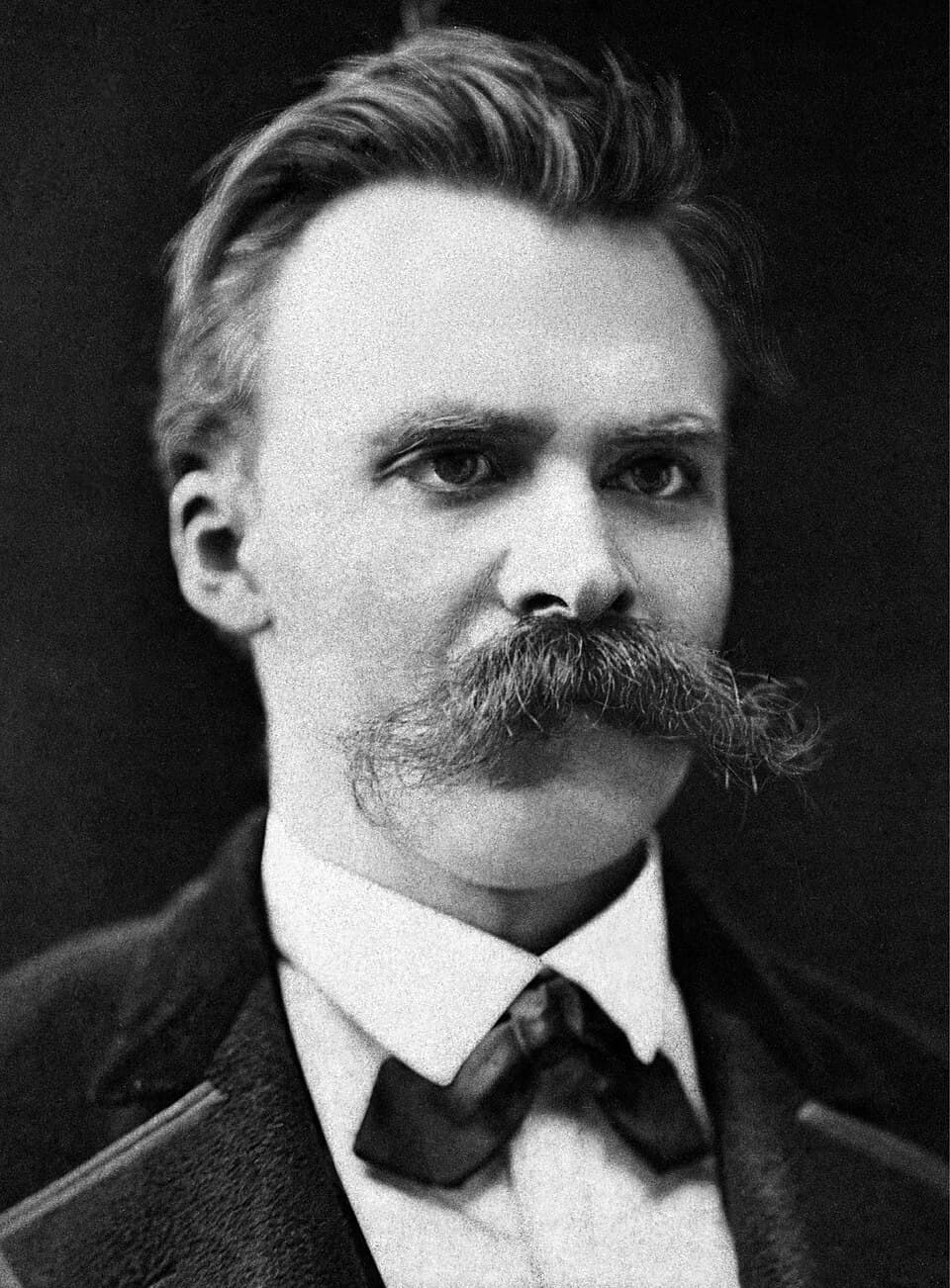
Friedrich Nietzsche
Thus Spake Zarathustra...ne another, and cannot even digest themselves. Just see these superfluous ones! Wealth they acquire and become poorer thereby. Power they seek for, and above all, the lever of power, much money—these impotent ones! See them clamber, these nimble apes! They clamber over one another, and thus scuffle into the mud and the abyss. Towards the throne they all strive: it is their madness—as if happiness sat on the throne! Ofttimes sitteth filth on the throne.—and ofttimes also the throne on filth.
Madmen they all seem to me, and clambering apes, and too eager. Badly smelleth their idol to me, the cold monster: badly they all smell to me, these idolaters. My brethren, will ye suffocate in the fumes of their maws and appetites! Better break the windows and jump into the open air! Do go out of the way of the bad odour! Withdraw from the idolatry of the superfluous! Do go out of the way of the bad odour! Withdraw from the steam of these human sacrifices!
Open still remaineth the earth for great souls. Empty are still many sites for lone ones and twain ones, around which floateth the odour of tranquil seas. Open still remaineth a free life for great souls. Verily, he who possesseth little is so much the less possessed: blessed be moderate poverty! There, where the state ceaseth—there only commenceth the man who is not superfluous: there commenceth the song of the necessary ones, the single and irreplaceable melody. There, where the state CEA...
3
6 of 6 in Chapter XI. THE NEW IDOL99 of 593 in work
⚖The Unpossessed Life

Friedrich Nietzsche
Thus Spake ZarathustraA vision of a free life available to 'great souls' who embrace solitude and moderate poverty, suggesting that true independence is found by minimizing one's possessions and social entanglements.
...ttimes also the throne on filth. Madmen they all seem to me, and clambering apes, and too eager. Badly smelleth their idol to me, the cold monster: badly they all smell to me, these idolaters. My brethren, will ye suffocate in the fumes of their maws and appetites! Better break the windows and jump into the open air! Do go out of the way of the bad odour! Withdraw from the idolatry of the superfluous! Do go out of the way of the bad odour! Withdraw from the steam of these human sacrifices!
Open still remaineth the earth for great souls. Empty are still many sites for lone ones and twain ones, around which floateth the odour of tranquil seas. Open still remaineth a free life for great souls. Verily, he who possesseth little is so much the less possessed: blessed be moderate poverty!
There, where the state ceaseth—there only commenceth the man who is not superfluous: there commenceth the song of the necessary ones, the single and irreplaceable melody. There, where the state CEASETH—pray look thither, my brethren! Do ye not see it, the rainbow and the bridges of the Superman?— Thus spake Zarathustra. XII. THE FLIES IN THE MARKET-PLACE. Flee, my friend, into thy solitude! I see thee deafened with the noise of the great men, and stung all over with the stings of the l...
2
1 of 10 in Chapter XII. THE FLIES IN THE MARKET-PLACE100 of 593 in work
Now entering Chapter XII. THE FLIES IN THE MARKET-PLACE
⚖Flee to Solitude

Friedrich Nietzsche
Thus Spake ZarathustraThe author advises seeking solitude to escape the 'noise of the market-place' and the 'poison-flies' of petty social interaction.
...remaineth a free life for great souls. Verily, he who possesseth little is so much the less possessed: blessed be moderate poverty! There, where the state ceaseth—there only commenceth the man who is not superfluous: there commenceth the song of the necessary ones, the single and irreplaceable melody. There, where the state CEASETH—pray look thither, my brethren! Do ye not see it, the rainbow and the bridges of the Superman?— Thus spake Zarathustra. XII. THE FLIES IN THE MARKET-PLACE.
Flee, my friend, into thy solitude! I see thee deafened with the noise of the great men, and stung all over with the stings of the little ones. Admirably do forest and rock know how to be silent with thee. Resemble again the tree which thou lovest, the broad-branched one—silently and attentively it o’erhangeth the sea. Where solitude endeth, there beginneth the market-place; and where the market-place beginneth, there beginneth also the noise of the great actors, and the buzzing of the poison-flies.
In the world even the best things are worthless without those who represent them: those representers, the people call great men. Little do the people understand what is great—that is to say, the creating agency. But they have a taste for all representers and actors of great things. Around the devisers of new values revolveth the world:—invisibly it revolveth. But around the actors revolve the people and the glory: such is the course of things. Spirit, hath the actor, but little conscience o...
2
2 of 10 in Chapter XII. THE FLIES IN THE MARKET-PLACE101 of 593 in work
⚖The Market of Greatness

Friedrich Nietzsche
Thus Spake ZarathustraThe author distinguishes between the 'actors' who gain public glory and the 'creators' of new values who move the world invisibly away from the noise of the marketplace.
...state CEASETH—pray look thither, my brethren! Do ye not see it, the rainbow and the bridges of the Superman?— Thus spake Zarathustra. XII. THE FLIES IN THE MARKET-PLACE. Flee, my friend, into thy solitude! I see thee deafened with the noise of the great men, and stung all over with the stings of the little ones. Admirably do forest and rock know how to be silent with thee. Resemble again the tree which thou lovest, the broad-branched one—silently and attentively it o’erhangeth the sea.
Where solitude endeth, there beginneth the market-place; and where the market-place beginneth, there beginneth also the noise of the great actors, and the buzzing of the poison-flies. In the world even the best things are worthless without those who represent them: those representers, the people call great men. Little do the people understand what is great—that is to say, the creating agency. But they have a taste for all representers and actors of great things. Around the devisers of new values revolveth the world:—invisibly it revolveth. But around the actors revolve the people and the glory: such is the course of things.
Spirit, hath the actor, but little conscience of the spirit. He believeth always in that wherewith he maketh believe most strongly—in HIMSELF! To-morrow he hath a new belief, and the day after, one still newer. Sharp perceptions hath he, like the people, and changeable humours. To upset—that meaneth with him to prove. To drive mad—that meaneth with him to convince. And blood is counted by him as the best of all arguments. A truth which only glideth into fine ears, he calleth falsehood and t...
5
3 of 10 in Chapter XII. THE FLIES IN THE MARKET-PLACE102 of 593 in work
⚖The Actor's Belief

Friedrich Nietzsche
Thus Spake ZarathustraThe author describes the 'actor' or demagogue who lacks a true conscience of the spirit, relying on noise, emotional manipulation, and forceful conviction rather than subtle truths.
...at actors, and the buzzing of the poison-flies. In the world even the best things are worthless without those who represent them: those representers, the people call great men. Little do the people understand what is great—that is to say, the creating agency. But they have a taste for all representers and actors of great things. Around the devisers of new values revolveth the world:—invisibly it revolveth. But around the actors revolve the people and the glory: such is the course of things.
Spirit, hath the actor, but little conscience of the spirit. He believeth always in that wherewith he maketh believe most strongly—in HIMSELF! To-morrow he hath a new belief, and the day after, one still newer. Sharp perceptions hath he, like the people, and changeable humours. To upset—that meaneth with him to prove. To drive mad—that meaneth with him to convince. And blood is counted by him as the best of all arguments. A truth which only glideth into fine ears, he calleth falsehood and trumpery. Verily, he believeth only in Gods that make a great noise in the world!
Full of clattering buffoons is the market-place,—and the people glory in their great men! These are for them the masters of the hour. But the hour presseth them; so they press thee. And also from thee they want Yea or Nay. Alas! thou wouldst set thy chair betwixt For and Against? On account of those absolute and impatient ones, be not jealous, thou lover of truth! Never yet did truth cling to the arm of an absolute one. On account of those abrupt ones, return into thy security: only in the...
4