Thinking as Divine Dance
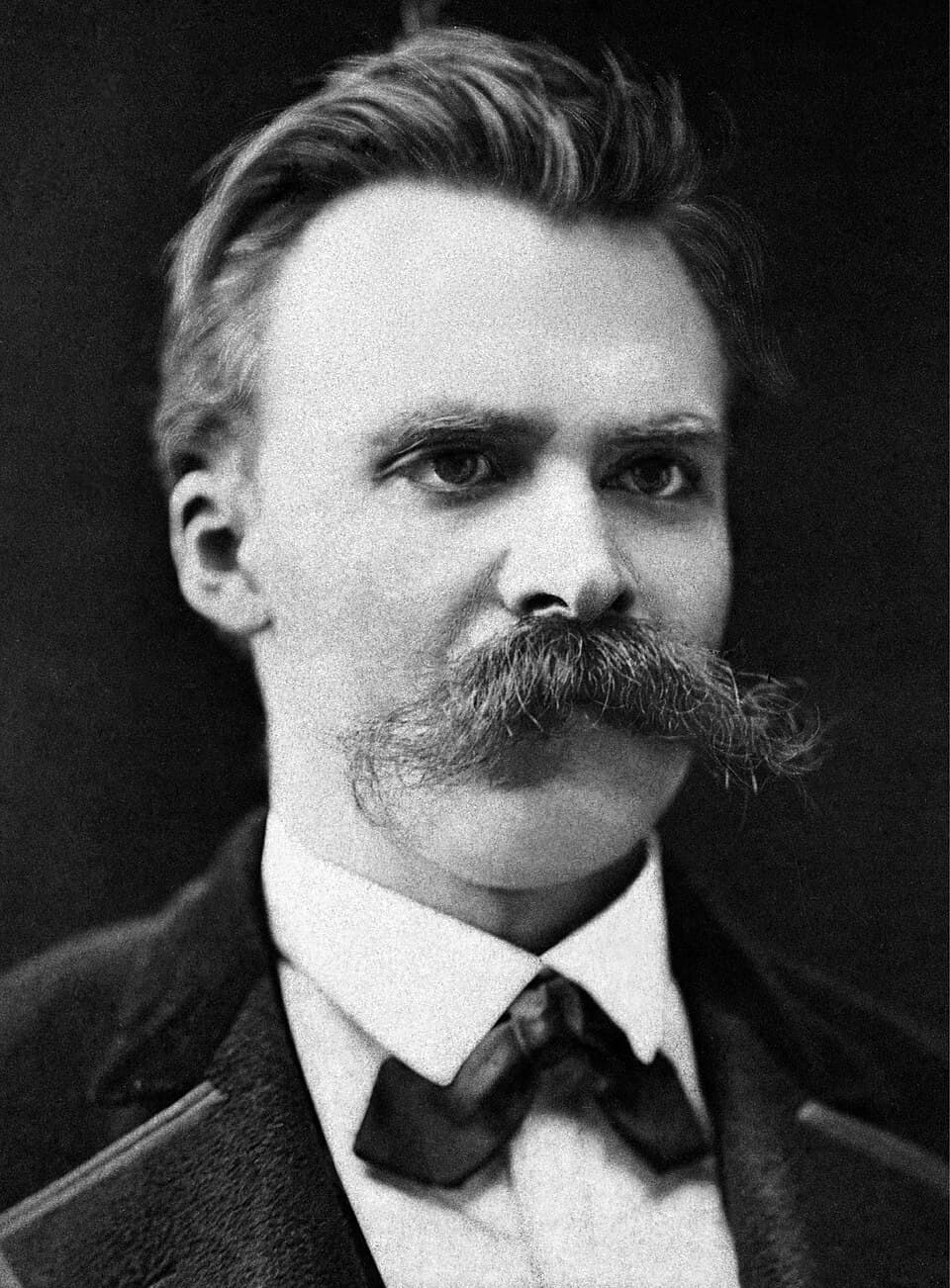
Friedrich Nietzsche
Beyond Good and EvilThe author contrasts the 'laborious' thinking of scholars with the 'divine' and 'dancing' necessity of the true thinker, noting that for the artist, freedom and necessity are identical during the creative act.
...ore the question: Is greatness POSSIBLE--nowadays? 213. It is difficult to learn what a philosopher is, because it cannot be taught: one must "know" it by experience--or one should have the pride NOT to know it. The fact that at present people all talk of things of which they CANNOT have any experience, is true more especially and unfortunately as concerns the philosopher and philosophical matters:--the very few know them, are permitted to know them, and all popular ideas about them are false.
Thus, for instance, the truly philosophical combination of a bold, exuberant spirituality which runs at presto pace, and a dialectic rigour and necessity which makes no false step, is unknown to most thinkers and scholars from their own experience, and therefore, should any one speak of it in their presence, it is incredible to them. They conceive of every necessity as troublesome, as a painful compulsory obedience and state of constraint; thinking itself is regarded by them as something slow and hesitating, almost as a trouble, and often enough as "worthy of the SWEAT of the noble"--but not at all as something easy and divine, closely…
There is, in fine, a gradation of rank in psychical states, to which the gradation of rank in the problems corresponds; and the highest problems repel ruthlessly every one who ventures too near them, without being predestined for their solution by the loftiness and power of his spirituality. Of what use is it for nimble, everyday intellects, or clumsy, honest mechanics and empiricists to press, in their plebeian ambition, close to such problems, and as it were into this "holy of holies"--as so...
Continue reading →
5