Intention vs Motive
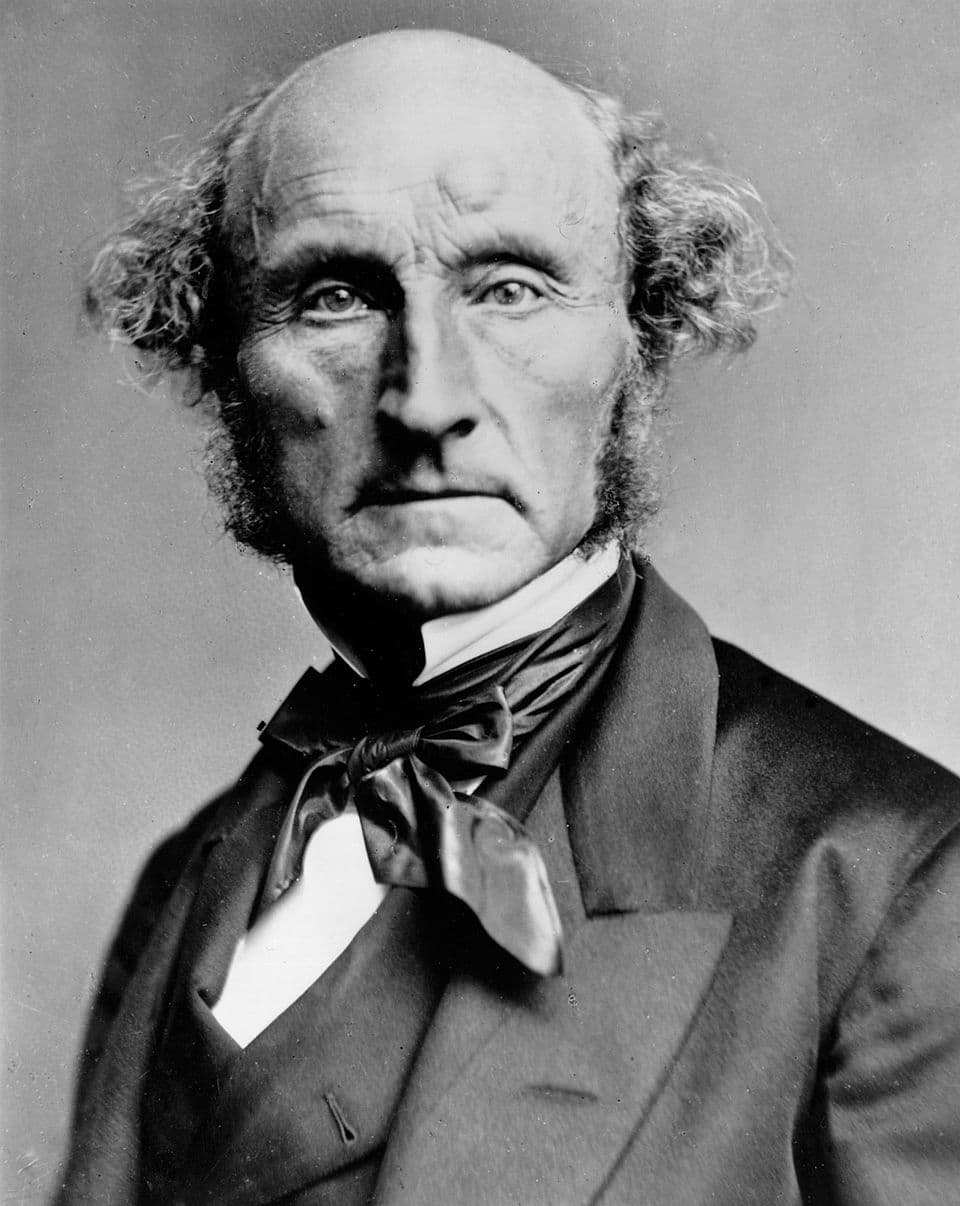
John Stewart Mill
UtilitarianismMill distinguishes between the intention of an act, which determines its morality, and the motive of the agent, which informs our estimation of the agent's character.
...than leaving him to drown would have been. Had Mr. Davis said, "The rightness or wrongness of saving a man from drowning does depend very much"--not upon the motive, but--"upon the intention" no utilitarian would have differed from him. Mr. Davis, by an oversight too common not to be quite venial, has in this case confounded the very different ideas of Motive and Intention. There is no point which utilitarian thinkers (and Bentham pre-eminently) have taken more pains to illustrate than this.
The morality of the action depends entirely upon the intention--that is, upon what the agent wills to do. But the motive, that is, the feeling which makes him will so to do, when it makes no difference in the act, makes none in the morality: though it makes a great difference in our moral estimation of the agent, especially if it indicates a good or a bad habitual disposition--a bent of character from which useful, or from which hurtful actions are likely to arise.] CHAPTER III.
OF THE ULTIMATE SANCTION OF THE PRINCIPLE OF UTILITY. The question is often asked, and properly so, in regard to any supposed moral standard--What is its sanction? what are the motives to obey it? or more specifically, what is the source of its obligation? whence does it derive its binding force? It is a necessary part of moral philosophy to provide the answer to this question; which, though frequently assuming the shape of an objection to the utilitarian morality, as if it had some special...
6