A prescription to balance action with contemplation, ensuring that one performs duties carefully while still deriving intellectual delight from understanding the true nature of things.
9 of 29 in THE TENTH BOOK243 of 309 in work
Action Meets Contemplation
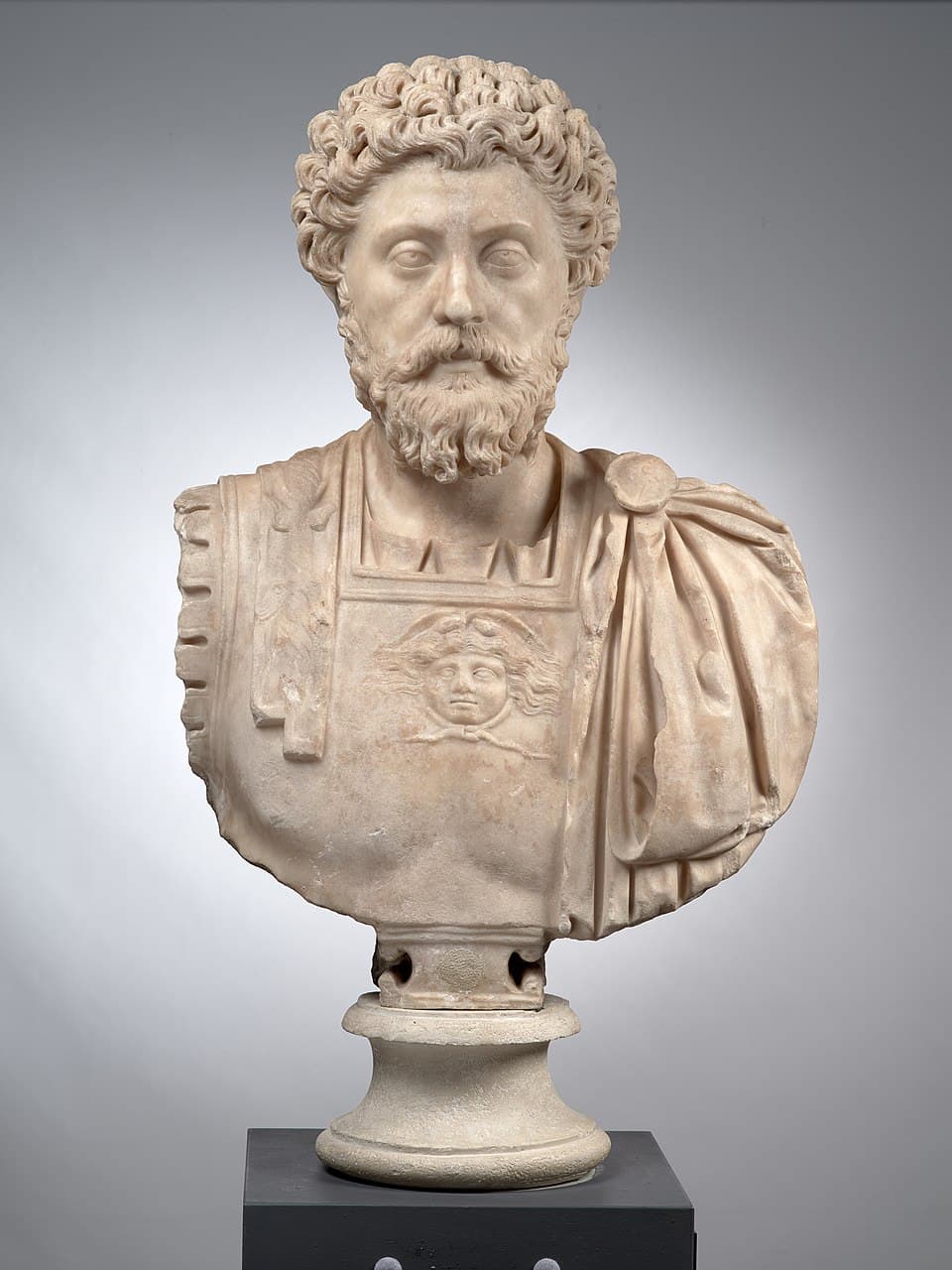
Marcus Aurelius
Meditations...natural creatures, the fig tree for example; the dog the bee: both do, all of them, and apply themselves unto that which by their natural constitution, is proper unto them; so man likewise should do that, which by his nature, as he is a man, belongs unto him. IX. Toys and fooleries at home, wars abroad: sometimes terror, sometimes torpor, or stupid sloth: this is thy daily slavery. By little and little, if thou doest not better look to it, those sacred dogmata will be blotted out of thy mind.
How many things be there, which when as a mere naturalist, thou hast barely considered of according to their nature, thou doest let pass without any further use? Whereas thou shouldst in all things so join action and contemplation, that thou mightest both at the same time attend all present occasions, to perform everything duly and carefully and yet so intend the contemplative part too, that no part of that delight and pleasure, which the contemplative knowledge of everything according to its true nature doth of itself afford, might be lost.
Or, that the true and contemnplative knowledge of everything according to its own nature, might of itself, (action being subject to many lets and impediments) afford unto thee sufficient pleasure and happiness. Not apparent indeed, but not concealed. And when shalt thou attain to the happiness of true simplicity, and unaffected gravity? When shalt thou rejoice in the certain knowledge of every particular object according to its true nature: as what the matter and substance of it is; what use it...
2
10 of 29 in THE TENTH BOOK244 of 309 in work
⚖Contemplate Mutual Change

Marcus Aurelius
MeditationsThe author prescribes the regular practice of contemplating universal change and the transformation of all things as the most effective way to develop true magnanimity.
...that it hunted after, is not little proud, nor meanly conceited of herself: as he likewise that hath caught an hare, or hath taken a fish with his net: as another for the taking of a boar, and another of a bear: so may they be proud, and applaud themselves for their valiant acts against the Sarmatai, or northern nations lately defeated. For these also, these famous soldiers and warlike men, if thou dost look into their minds and opinions, what do they for the most part but hunt after prey? XI.
To find out, and set to thyself some certain way and method of contemplation, whereby thou mayest clearly discern and represent unto thyself, the mutual change of all things, the one into the other. Bear it in thy mind evermore, and see that thou be throughly well exercised in this particular. For there is not anything more effectual to beget true magnanimity.
XII. He hath got loose from the bonds of his body, and perceiving that within a very little while he must of necessity bid the world farewell, and leave all these things behind him, he wholly applied himself, as to righteousness in all his actions, so to the common nature in all things that should happen unto him. And contenting himself with these two things, to do all things justly, and whatsoever God doth send to like well of it: what others shall either say or think of him, or shall do agai...
2
11 of 29 in THE TENTH BOOK245 of 309 in work
⚖The Detached Soul

Marcus Aurelius
MeditationsA vision of a man who has detached himself from bodily concerns to live justly and in harmony with the common nature, indifferent to the opinions of others.
...oldiers and warlike men, if thou dost look into their minds and opinions, what do they for the most part but hunt after prey? XI. To find out, and set to thyself some certain way and method of contemplation, whereby thou mayest clearly discern and represent unto thyself, the mutual change of all things, the one into the other. Bear it in thy mind evermore, and see that thou be throughly well exercised in this particular. For there is not anything more effectual to beget true magnanimity. XII.
He hath got loose from the bonds of his body, and perceiving that within a very little while he must of necessity bid the world farewell, and leave all these things behind him, he wholly applied himself, as to righteousness in all his actions, so to the common nature in all things that should happen unto him. And contenting himself with these two things, to do all things justly, and whatsoever God doth send to like well of it: what others shall either say or think of him, or shall do against him, he doth not so much as trouble his thoughts with it.
To go on straight, whither right and reason directed him, and by so doing to follow God, was the only thing that he did mind, that, his only business and occupation. XIII. What use is there of suspicion at all? or, why should thoughts of mistrust, and suspicion concerning that which is future, trouble thy mind at all? What now is to be done, if thou mayest search and inquiry into that, what needs thou care for more? And if thou art well able to perceive it alone, let no man divert thee from it...
1
12 of 29 in THE TENTH BOOK246 of 309 in work
⚖Action Over Suspicion

Marcus Aurelius
MeditationsAn exhortation to act with prudence and justice in the present moment rather than being troubled by suspicions or uncertainties about the future.
...ll his actions, so to the common nature in all things that should happen unto him. And contenting himself with these two things, to do all things justly, and whatsoever God doth send to like well of it: what others shall either say or think of him, or shall do against him, he doth not so much as trouble his thoughts with it. To go on straight, whither right and reason directed him, and by so doing to follow God, was the only thing that he did mind, that, his only business and occupation. XIII.
What use is there of suspicion at all? or, why should thoughts of mistrust, and suspicion concerning that which is future, trouble thy mind at all? What now is to be done, if thou mayest search and inquiry into that, what needs thou care for more? And if thou art well able to perceive it alone, let no man divert thee from it. But if alone thou doest not so well perceive it, suspend thine action, and take advice from the best. And if there be anything else that doth hinder thee, go on with prudence and discretion, according to the present occasion and opportunity, still proposing that unto thyself, which thou doest conceive most right and…
XIV. What is that that is slow, and yet quick? merry, and yet grave? He that in all things doth follow reason for his guide. XV. In the morning as soon as thou art awaked, when thy judgment, before either thy affections, or external objects have wrought upon it, is yet most free and impartial: put this question to thyself, whether if that which is right and just be done, the doing of it by thyself, or by others when thou art not able thyself; be a thing material or no. For sure it is not. And...
Continue reading →
2
13 of 29 in THE TENTH BOOK247 of 309 in work
⚖Morning's Impartial Judgment

Marcus Aurelius
MeditationsA prescription to begin the day by prioritizing justice over the opinions of others, recognizing that those who seek worldly praise are often morally compromised.
...hat doth hinder thee, go on with prudence and discretion, according to the present occasion and opportunity, still proposing that unto thyself, which thou doest conceive most right and just. For to hit that aright, and to speed in the prosecution of it, must needs be happiness, since it is that only which we can truly and properly be said to miss of, or miscarry in. XIV. What is that that is slow, and yet quick? merry, and yet grave? He that in all things doth follow reason for his guide. XV.
In the morning as soon as thou art awaked, when thy judgment, before either thy affections, or external objects have wrought upon it, is yet most free and impartial: put this question to thyself, whether if that which is right and just be done, the doing of it by thyself, or by others when thou art not able thyself; be a thing material or no. For sure it is not. And as for these that keep such a life, and stand so much upon the praises, or dispraises of other men, hast thou forgotten what manner of men they be? that such and such upon their beds, and such at their board: what their ordinary actions are: what they pursue after, and what they…
XVI. Give what thou wilt, and take away what thou wilt, saith he that is well taught and truly modest, to Him that gives, and takes away. And it is not out of a stout and peremptory resolution, that he saith it, but in mere love, and humble submission. XVII. So live as indifferent to the world and all worldly objects, as one who liveth by himself alone upon some desert hill. For whether here, or there, if the whole world be but as one town, it matters not much for the place. Let them behold a...
Continue reading →
2