17 of 26 in THE NINTH BOOK225 of 309 in work
Earth's Eternal Changes
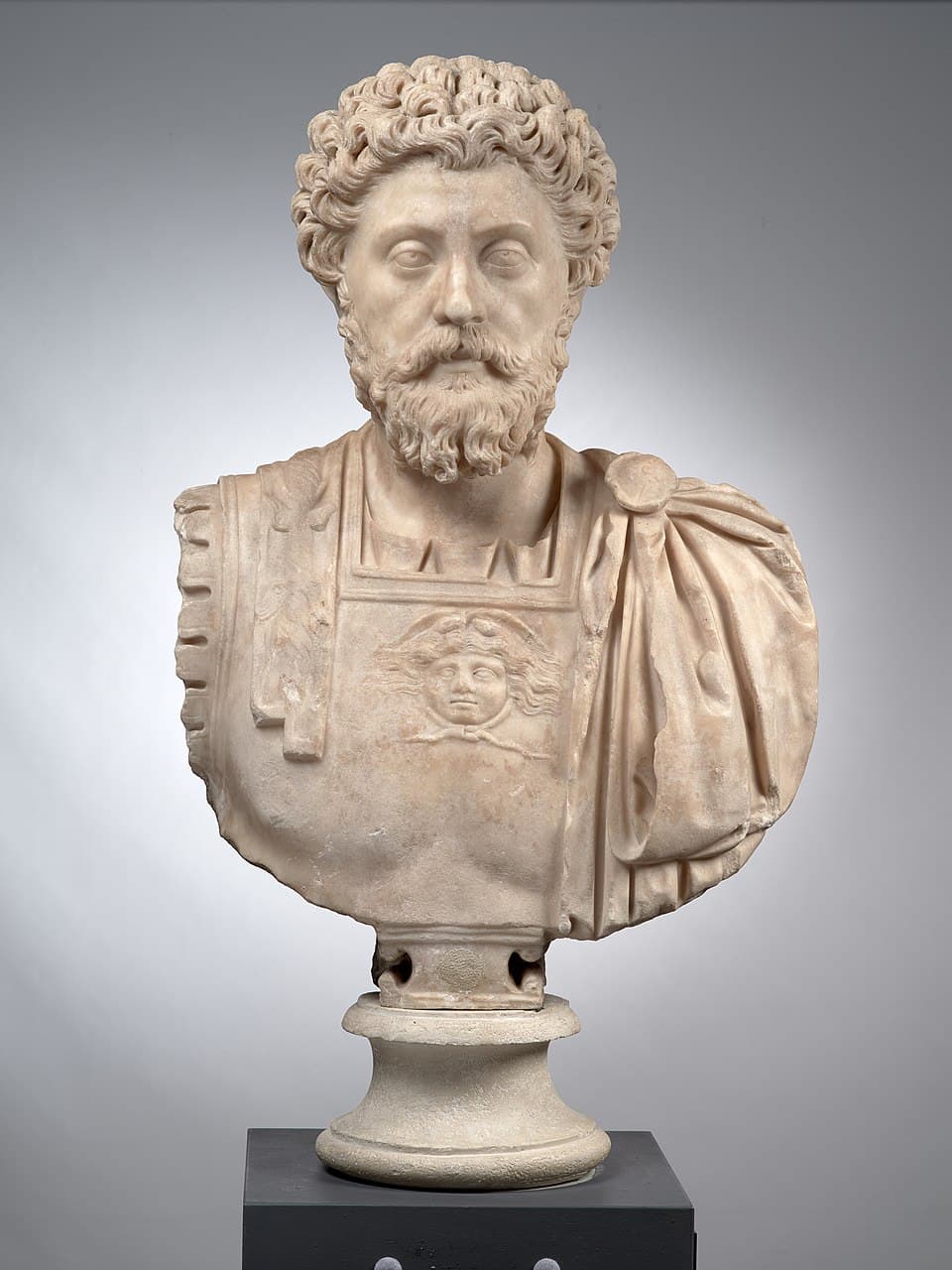
Marcus Aurelius
Meditations

A vision of the universe as a powerful torrent of change that eventually consumes all things, leading the observer to despise worldly concerns in the face of eternity.

...then submit for shame unto the determination of such an excellent understanding: or once for all it did resolve upon all things in general; and since that whatsoever happens, happens by a necessary consequence, and all things indivisibly in a manner and inseparably hold one of another. In sum, either there is a God, and then all is well; or if all things go by chance and fortune, yet mayest thou use thine own providence in those things that concern thee properly; and then art thou well. XXVII.
Within a while the earth shall cover us all, and then she herself shall have her change. And then the course will be, from one period of eternity unto another, and so a perpetual eternity. Now can any man that shall consider with himself in his mind the several rollings or successions of so many changes and alterations, and the swiftness of all these rulings; can he otherwise but contemn in his heart and despise all worldly things? The cause of the universe is as it were a strong torrent, it carrieth all away.
XXVIII. And these your professed politicians, the only true practical philosophers of the world, (as they think of themselves) so full of affected gravity, or such professed lovers of virtue and honesty, what wretches be they in very deed; how vile and contemptible in themselves? O man! what ado doest thou keep? Do what thy nature doth now require. Resolve upon it, if thou mayest: and take no thought, whether anybody shall know it or no. Yea, but sayest thou, I must not expect a Plato's common...
1
18 of 26 in THE NINTH BOOK226 of 309 in work
The View from Above
Marcus Aurelius
Meditations

A vision of the world from a high perspective, highlighting the insignificance of fame and honor in the face of the vastness of time and the constant flux of human affairs.

...vish minds, that groan privately, and yet would make a show of obedience to reason, and truth? Go too now and tell me of Alexander and Philippus, and Demetrius Phalereus. Whether they understood what the common nature requireth, and could rule themselves or no, they know best themselves. But if they kept a life, and swaggered; I (God be thanked) am not bound to imitate them. The effect of true philosophy is, unaffected simplicity and modesty. Persuade me not to ostentation and vainglory. XXIX.
From some high place as it were to look down, and to behold here flocks, and there sacrifices, without number; and all kind of navigation; some in a rough and stormy sea, and some in a calm: the general differences, or different estates of things, some, that are now first upon being; the several and mutual relations of those things that are together; and some other things that are at their last. Their lives also, who were long ago, and theirs who shall be hereafter, and the present estate and life of those many nations of barbarians that are now in the world, thou must likewise consider in thy mind. And how many there be, who never so much as…
The sum then of all; whatsoever doth happen unto thee, whereof God is the cause, to accept it contentedly: whatsoever thou doest, whereof thou thyself art the cause, to do it justly: which will be, if both in thy resolution and in thy action thou have no further end, than to do good unto others, as being that, which by thy natural constitution, as a man, thou art bound unto. XXX. Many of those things that trouble and straiten thee, it is in thy power to cut off, as wholly depending from mere c...
Continue reading →
1
19 of 26 in THE NINTH BOOK227 of 309 in work
Time's Fleeting Objects
Marcus Aurelius
Meditations

A reflection on the transience of life and the vastness of time, emphasizing that all things and people, regardless of their lifespan, are quickly consumed by the infinite void.

...od is the cause, to accept it contentedly: whatsoever thou doest, whereof thou thyself art the cause, to do it justly: which will be, if both in thy resolution and in thy action thou have no further end, than to do good unto others, as being that, which by thy natural constitution, as a man, thou art bound unto. XXX. Many of those things that trouble and straiten thee, it is in thy power to cut off, as wholly depending from mere conceit and opinion; and then thou shalt have room enough. XXXI.
To comprehend the whole world together in thy mind, and the whole course of this present age to represent it unto thyself, and to fix thy thoughts upon the sudden change of every particular object. How short the time is from the generation of anything, unto the dissolution of the same; but how immense and infinite both that which was before the generation, and that which after the generation of it shall be. All things that thou seest, will soon be perished, and they that see their corruptions, will soon vanish away themselves. He that dieth a hundred years old, and he that dieth young, shall come all to one.
XXXII. What are their minds and understandings; and what the things that they apply themselves unto: what do they love, and what do they hate for? Fancy to thyself the estate of their souls openly to be seen. When they think they hurt them shrewdly, whom they speak ill of; and when they think they do them a very good turn, whom they commend and extol: O how full are they then of conceit, and opinion! XXXIII. Loss and corruption, is in very deed nothing else but change and alteration; and that...
1
20 of 26 in THE NINTH BOOK228 of 309 in work
Change as Nature's Delight
Marcus Aurelius
Meditations

A thesis asserting that change and corruption are natural processes essential to the universe, suggesting that the world is governed by a divine order rather than perpetual failure.

...s. He that dieth a hundred years old, and he that dieth young, shall come all to one. XXXII. What are their minds and understandings; and what the things that they apply themselves unto: what do they love, and what do they hate for? Fancy to thyself the estate of their souls openly to be seen. When they think they hurt them shrewdly, whom they speak ill of; and when they think they do them a very good turn, whom they commend and extol: O how full are they then of conceit, and opinion! XXXIII.
Loss and corruption, is in very deed nothing else but change and alteration; and that is it, which the nature of the universe doth most delight in, by which, and according to which, whatsoever is done, is well done. For that was the estate of worldly things from the beginning, and so shall it ever be. Or wouldest thou rather say, that all things in the world have gone ill from the beginning for so many ages, and shall ever go ill? And then among so many deities, could no divine power be found all this while, that could rectify the things of the world?
Or is the world, to incessant woes and miseries, for ever condemned? XXXIV. How base and putrid, every common matter is! Water, dust, and from the mixture of these bones, and all that loathsome stuff that our bodies do consist of: so subject to be infected, and corrupted. And again those other things that are so much prized and admired, as marble stones, what are they, but as it were the kernels of the earth? gold and silver, what are they, but as the more gross faeces of the earth? Thy most r...
4
21 of 26 in THE NINTH BOOK229 of 309 in work
Base Matter's Illusion
Marcus Aurelius
Meditations

A stark vision of the physical world's transience, reducing the most prized material possessions and even life itself to their base, corruptible, and common elements.

...delight in, by which, and according to which, whatsoever is done, is well done. For that was the estate of worldly things from the beginning, and so shall it ever be. Or wouldest thou rather say, that all things in the world have gone ill from the beginning for so many ages, and shall ever go ill? And then among so many deities, could no divine power be found all this while, that could rectify the things of the world? Or is the world, to incessant woes and miseries, for ever condemned? XXXIV.
How base and putrid, every common matter is! Water, dust, and from the mixture of these bones, and all that loathsome stuff that our bodies do consist of: so subject to be infected, and corrupted. And again those other things that are so much prized and admired, as marble stones, what are they, but as it were the kernels of the earth? gold and silver, what are they, but as the more gross faeces of the earth? Thy most royal apparel, for matter, it is but as it were the hair of a silly sheep, and for colour, the very blood of a shell-fish; of this nature are all other things. Thy life itself, is some such thing too; a mere exhalation of blood:…
XXXV. Will this querulousness, this murmuring, this complaining and dissembling never be at an end? What then is it, that troubleth thee? Doth any new thing happen unto thee? What doest thou so wonder at? At the cause, or the matter? Behold either by itself, is either of that weight and moment indeed? And besides these, there is not anything. But thy duty towards the Gods also, it is time thou shouldst acquit thyself of it with more goodness and simplicity. XXXVI. It is all one to see these t...
Continue reading →
1