37 of 38 in THE SEVENTH BOOK170 of 309 in work
Benefit Without Reward
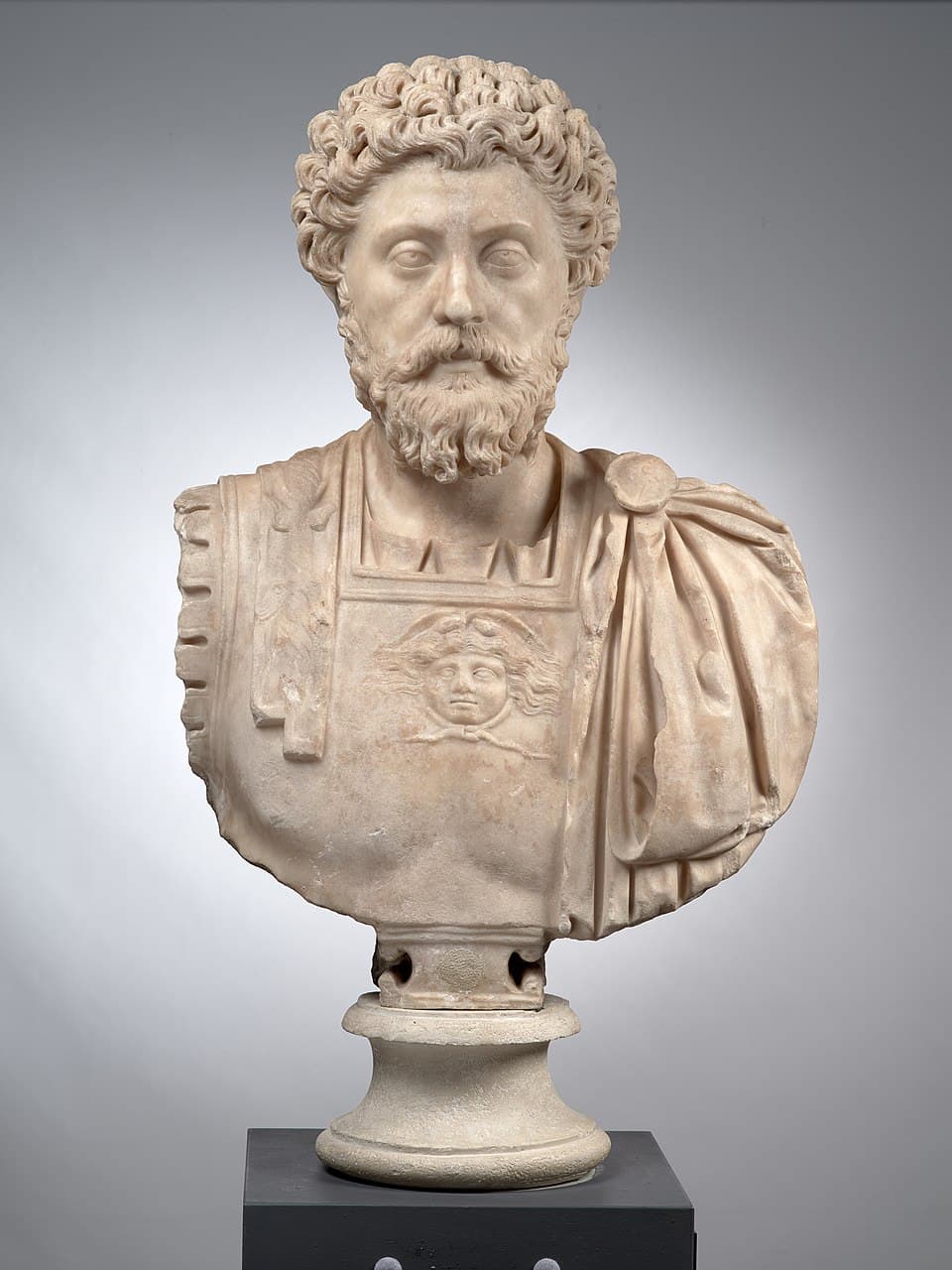
Marcus Aurelius
Meditations

An argument against seeking external recognition for good deeds, suggesting that acting for the benefit of others is its own natural reward and should never be a source of weariness.

...a moment of time? yea thou that art one of those sinners thyself? A very ridiculous thing it is, that any man should dispense with vice and wickedness in himself, which is in his power to restrain; and should go about to suppress it in others, which is altogether impossible. XLII. What object soever, our reasonable and sociable faculty doth meet with, that affords nothing either for the satisfaction of reason, or for the practice of charity, she worthily doth think unworthy of herself. XLIII.
When thou hast done well, and another is benefited by thy action, must thou like a very fool look for a third thing besides, as that it may appear unto others also that thou hast done well, or that thou mayest in time, receive one good turn for another? No man useth to be weary of that which is beneficial unto him. But every action according to nature, is beneficial. Be not weary then of doing that which is beneficial unto thee, whilst it is so unto others.
XLIV. The nature of the universe did once certainly before it was created, whatsoever it hath done since, deliberate and so resolve upon the creation of the world. Now since that time, whatsoever it is, that is and happens in the world, is either but a consequent of that one and first deliberation: or if so be that this ruling rational part of the world, takes any thought and care of things particular, they are surely his reasonable and principal creatures, that are the proper object of his pa...
2
38 of 38 in THE SEVENTH BOOK171 of 309 in work
Nature's First Deliberation
Marcus Aurelius
Meditations

A thesis suggesting that the universe was created through a rational deliberation, and that understanding this providential order can bring tranquility to the individual.

...k unworthy of herself. XLIII. When thou hast done well, and another is benefited by thy action, must thou like a very fool look for a third thing besides, as that it may appear unto others also that thou hast done well, or that thou mayest in time, receive one good turn for another? No man useth to be weary of that which is beneficial unto him. But every action according to nature, is beneficial. Be not weary then of doing that which is beneficial unto thee, whilst it is so unto others. XLIV.
The nature of the universe did once certainly before it was created, whatsoever it hath done since, deliberate and so resolve upon the creation of the world. Now since that time, whatsoever it is, that is and happens in the world, is either but a consequent of that one and first deliberation: or if so be that this ruling rational part of the world, takes any thought and care of things particular, they are surely his reasonable and principal creatures, that are the proper object of his particular care and providence. This often thought upon, will much conduce to thy tranquillity.
THE EIGHTH BOOK I. This also, among other things, may serve to keep thee from vainglory; if thou shalt consider, that thou art now altogether incapable of the commendation of one, who all his life long, or from his youth at least, hath lived a philosopher's life. For both unto others, and to thyself especially, it is well known, that thou hast done many things contrary to that perfection of life. Thou hast therefore been confounded in thy course, and henceforth it will be hard for thee to...
5
1 of 37 in THE EIGHTH BOOK172 of 309 in work
Now entering THE EIGHTH BOOK
Nature's True Requirement
Marcus Aurelius
Meditations

A prescription to seek happiness not in logic, wealth, or fame, but solely in the practice of those virtues that align with the fundamental requirements of human nature.

...u hast therefore been confounded in thy course, and henceforth it will be hard for thee to recover the title and credit of a philosopher. And to it also is thy calling and profession repugnant. If therefore thou dost truly understand, what it is that is of moment indeed; as for thy fame and credit, take no thought or care for that: let it suffice thee if all the rest of thy life, be it more or less, thou shalt live as thy nature requireth, or according to the true and natural end of thy making.
Take pains therefore to know what it is that thy nature requireth, and let nothing else distract thee. Thou hast already had sufficient experience, that of those many things that hitherto thou hast erred and wandered about, thou couldst not find happiness in any of them. Not in syllogisms, and logical subtilties, not in wealth, not in honour and reputation, not in pleasure. In none of all these. Wherein then is it to be found? In the practice of those things, which the nature of man, as he is a man, doth require.
How then shall he do those things? if his dogmata, or moral tenets and opinions (from which all motions and actions do proceed), be right and true. Which be those dogmata? Those that concern that which is good or evil, as that there is nothing truly good and beneficial unto man, but that which makes him just, temperate, courageous, liberal; and that there is nothing truly evil and hurtful unto man, but that which causeth the contrary effects. II. Upon every action that thou art about, put this...
4
2 of 37 in THE EIGHTH BOOK173 of 309 in work
Happiness in Practice
Marcus Aurelius
Meditations

A confession that happiness is found neither in logic nor wealth, but in the practice of human virtue guided by the belief that only moral character is truly good.

...title and credit of a philosopher. And to it also is thy calling and profession repugnant. If therefore thou dost truly understand, what it is that is of moment indeed; as for thy fame and credit, take no thought or care for that: let it suffice thee if all the rest of thy life, be it more or less, thou shalt live as thy nature requireth, or according to the true and natural end of thy making. Take pains therefore to know what it is that thy nature requireth, and let nothing else distract thee.
Thou hast already had sufficient experience, that of those many things that hitherto thou hast erred and wandered about, thou couldst not find happiness in any of them. Not in syllogisms, and logical subtilties, not in wealth, not in honour and reputation, not in pleasure. In none of all these. Wherein then is it to be found? In the practice of those things, which the nature of man, as he is a man, doth require. How then shall he do those things? if his dogmata, or moral tenets and opinions (from which all motions and actions do proceed), be right and true. Which be those dogmata? Those that concern that which is good or evil, as that there…
II. Upon every action that thou art about, put this question to thyself; How will this when it is done agree with me? Shall I have no occasion to repent of it? Yet a very little while and I am dead and gone; and all things are at end. What then do I care for more than this, that my present action whatsoever it be, may be the proper action of one that is reasonable; whose end is, the common good; who in all things is ruled and governed by the same law of right and reason, by which God Himself i...
Continue reading →
2
3 of 37 in THE EIGHTH BOOK174 of 309 in work
Action's Reasonable End
Marcus Aurelius
Meditations

A prescription for living according to reason and the common good by constantly evaluating whether one's actions align with the divine law of right conduct before death arrives.

...he nature of man, as he is a man, doth require. How then shall he do those things? if his dogmata, or moral tenets and opinions (from which all motions and actions do proceed), be right and true. Which be those dogmata? Those that concern that which is good or evil, as that there is nothing truly good and beneficial unto man, but that which makes him just, temperate, courageous, liberal; and that there is nothing truly evil and hurtful unto man, but that which causeth the contrary effects. II.
Upon every action that thou art about, put this question to thyself; How will this when it is done agree with me? Shall I have no occasion to repent of it? Yet a very little while and I am dead and gone; and all things are at end. What then do I care for more than this, that my present action whatsoever it be, may be the proper action of one that is reasonable; whose end is, the common good; who in all things is ruled and governed by the same law of right and reason, by which God Himself is.
III. Alexander, Caius, Pompeius; what are these to Diogenes, Heraclitus, and Socrates? These penetrated into the true nature of things; into all causes, and all subjects: and upon these did they exercise their power and authority. But as for those, as the extent of their error was, so far did their slavery extend. IV. What they have done, they will still do, although thou shouldst hang thyself. First; let it not trouble thee. For all things both good and evil: come to pass according to the na...
2