32 of 33 in THE FOURTH BOOK77 of 309 in work
Death's Equalizing Force
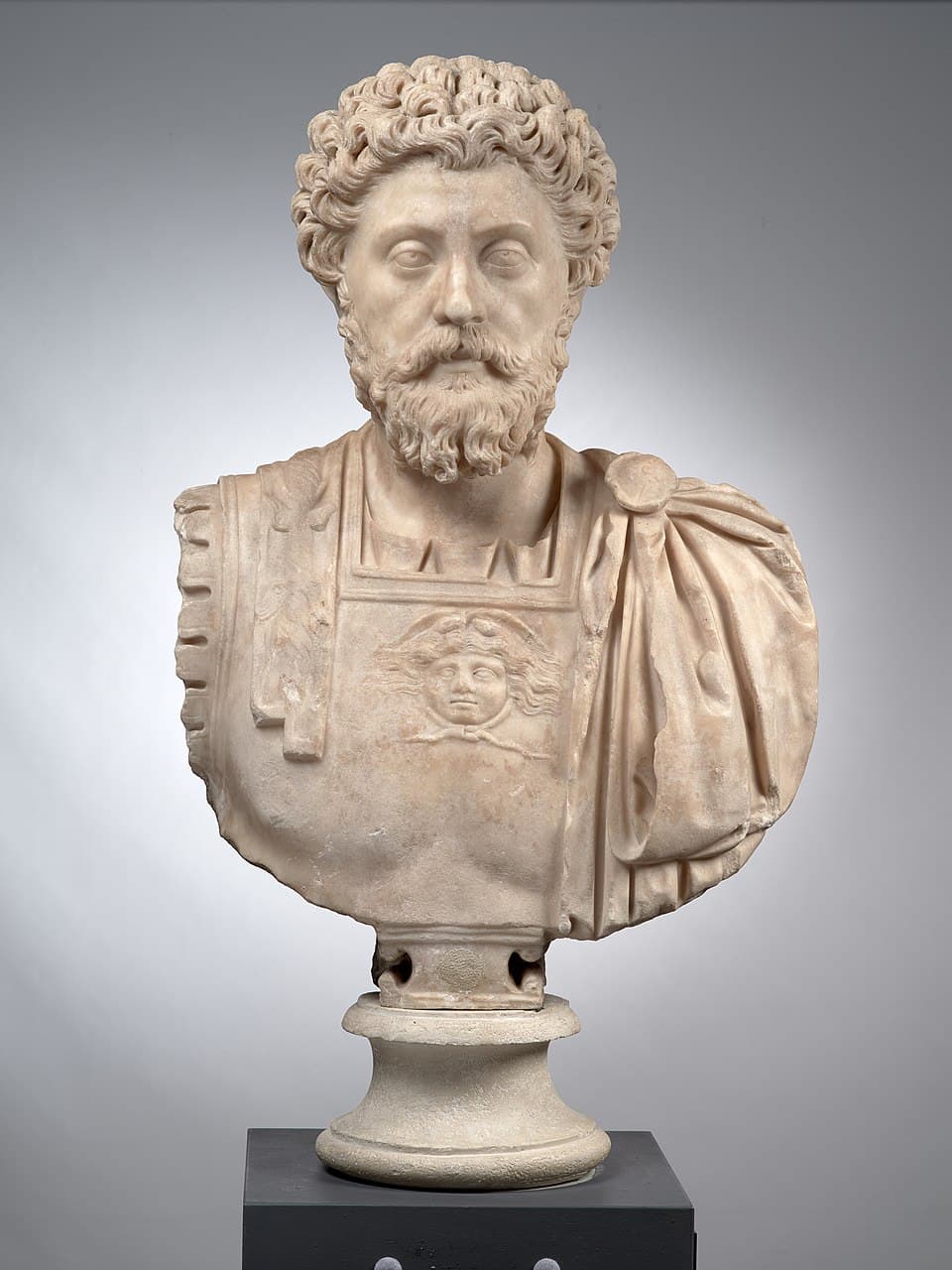
Marcus Aurelius
Meditations

A reflection on the inevitability of death, suggesting that since even the longest-lived and most powerful eventually perish, one should not fear the end of a brief and troubled life.

...r wise? or circumspect? or true? or modest? or free? or from anything else of all those things in the present enjoying and possession whereof the nature of man, (as then enjoying all that is proper unto her,) is fully satisfied? Now to conclude; upon all occasion of sorrow remember henceforth to make use of this dogma, that whatsoever it is that hath happened unto thee, is in very deed no such thing of itself, as a misfortune; but that to bear it generously, is certainly great happiness. XLII.
It is but an ordinary coarse one, yet it is a good effectual remedy against the fear of death, for a man to consider in his mind the examples of such, who greedily and covetously (as it were) did for a long time enjoy their lives. What have they got more, than they whose deaths have been untimely? Are not they themselves dead at the last? as Cadiciant's, Fabius, Julianus Lepidus, or any other who in their lifetime having buried many, were at the last buried themselves. The whole space of any man's life, is but little; and as little as it is, with what troubles, with what manner of dispositions, and in the society of how wretched a body must…
Let it be therefore unto thee altogether as a matter of indifferency. For if thou shalt look backward; behold, what an infinite chaos of time doth present itself unto thee; and as infinite a chaos, if thou shalt look forward. In that which is so infinite, what difference can there be between that which liveth but three days, and that which liveth three ages? XLIII. Let thy course ever be the most compendious way. The most compendious, is that which is according to nature: that is, in all both...
Continue reading →
4
33 of 33 in THE FOURTH BOOK78 of 309 in work
Life's Infinite Scale
Marcus Aurelius
Meditations

A prescription to view the brevity of life with indifference, noting that in the context of infinite time, there is no significant difference between a short life and a long one.

...y great happiness. XLII. It is but an ordinary coarse one, yet it is a good effectual remedy against the fear of death, for a man to consider in his mind the examples of such, who greedily and covetously (as it were) did for a long time enjoy their lives. What have they got more, than they whose deaths have been untimely? Are not they themselves dead at the last? as Cadiciant's, Fabius, Julianus Lepidus, or any other who in their lifetime having buried many, were at the last buried themselves.
The whole space of any man's life, is but little; and as little as it is, with what troubles, with what manner of dispositions, and in the society of how wretched a body must it be passed! Let it be therefore unto thee altogether as a matter of indifferency. For if thou shalt look backward; behold, what an infinite chaos of time doth present itself unto thee; and as infinite a chaos, if thou shalt look forward. In that which is so infinite, what difference can there be between that which liveth but three days, and that which liveth three ages?
XLIII. Let thy course ever be the most compendious way. The most compendious, is that which is according to nature: that is, in all both words and deeds, ever to follow that which is most sound and perfect. For such a resolution will free a man from all trouble, strife, dissembling, and ostentation. THE FIFTH BOOK I. In the morning when thou findest thyself unwilling to rise, consider with thyself presently, it is to go about a man's work that I am stirred up. Am I then yet unwilling to...
2
1 of 22 in THE FIFTH BOOK79 of 309 in work
Now entering THE FIFTH BOOK
Rise to Man's Work
Marcus Aurelius
Meditations

A self-admonition to overcome morning sluggishness by remembering that man's purpose is to be active and perform the work he was born to do, rather than seeking idle comfort.

...e a chaos, if thou shalt look forward. In that which is so infinite, what difference can there be between that which liveth but three days, and that which liveth three ages? XLIII. Let thy course ever be the most compendious way. The most compendious, is that which is according to nature: that is, in all both words and deeds, ever to follow that which is most sound and perfect. For such a resolution will free a man from all trouble, strife, dissembling, and ostentation. THE FIFTH BOOK I.
In the morning when thou findest thyself unwilling to rise, consider with thyself presently, it is to go about a man's work that I am stirred up. Am I then yet unwilling to go about that, for which I myself was born and brought forth into this world? Or was I made for this, to lay me down, and make much of myself in a warm bed? 'O but this is pleasing.' And was it then for this that thou wert born, that thou mightest enjoy pleasure? Was it not in very truth for this, that thou mightest always be busy and in action?
Seest thou not how all things in the world besides, how every tree md plant, how sparrows and ants, spiders and bees: how all in their kind are intent as it were orderly to perform whatsoever (towards the preservation of this orderly universe) naturally doth become and belong unto thin? And wilt not thou do that, which belongs unto a man to do? Wilt not thou run to do that, which thy nature doth require? 'But thou must have some rest.' Yes, thou must. Nature hath of that also, as well as of eat...
2
2 of 22 in THE FIFTH BOOK80 of 309 in work
Instant Inner Peace
Marcus Aurelius
Meditations

The author observes that mental tranquility is readily accessible to anyone who chooses to dismiss intrusive and turbulent thoughts.

...es at their works, and neglect their bodies and their food for it; and doest thou less honour thy nature, than an ordinary mechanic his trade; or a good dancer his art? than a covetous man his silver, and vainglorious man applause? These to whatsoever they take an affection, can be content to want their meat and sleep, to further that every one which he affects: and shall actions tending to the common good of human society, seem more vile unto thee, or worthy of less respect and intention? II.
How easy a thing is it for a man to put off from him all turbulent adventitious imaginations, and presently to be in perfect rest and tranquillity!
III. Think thyself fit and worthy to speak, or to do anything that is according to nature, and let not the reproach, or report of some that may ensue upon it, ever deter thee. If it be right and honest to be spoken or done, undervalue not thyself so much, as to be discouraged from it. As for them, they have their own rational over-ruling part, and their own proper inclination: which thou must not stand and look about to take notice of, but go on straight, whither both thine own particular, and...
2
3 of 22 in THE FIFTH BOOK81 of 309 in work
Go Straight On
Marcus Aurelius
Meditations

The author encourages acting and speaking according to nature without being deterred by the criticism of others, following the singular path of reason.

...ancer his art? than a covetous man his silver, and vainglorious man applause? These to whatsoever they take an affection, can be content to want their meat and sleep, to further that every one which he affects: and shall actions tending to the common good of human society, seem more vile unto thee, or worthy of less respect and intention? II. How easy a thing is it for a man to put off from him all turbulent adventitious imaginations, and presently to be in perfect rest and tranquillity! III.
Think thyself fit and worthy to speak, or to do anything that is according to nature, and let not the reproach, or report of some that may ensue upon it, ever deter thee. If it be right and honest to be spoken or done, undervalue not thyself so much, as to be discouraged from it. As for them, they have their own rational over-ruling part, and their own proper inclination: which thou must not stand and look about to take notice of, but go on straight, whither both thine own particular, and the common nature do lead thee; and the way of both these, is but one.
IV. I continue my course by actions according to nature, until I fall and cease, breathing out my last breath into that air, by which continually breathed in I did live; and falling upon that earth, out of whose gifts and fruits my father gathered his seed, my mother her blood, and my nurse her milk, out of which for so many years I have been provided, both of meat and drink. And lastly, which beareth me that tread upon it, and beareth with me that so many ways do abuse it, or so freely make u...
2