12 of 12 in THE SECOND BOOK37 of 309 in work
Spirit's Invulnerable Core
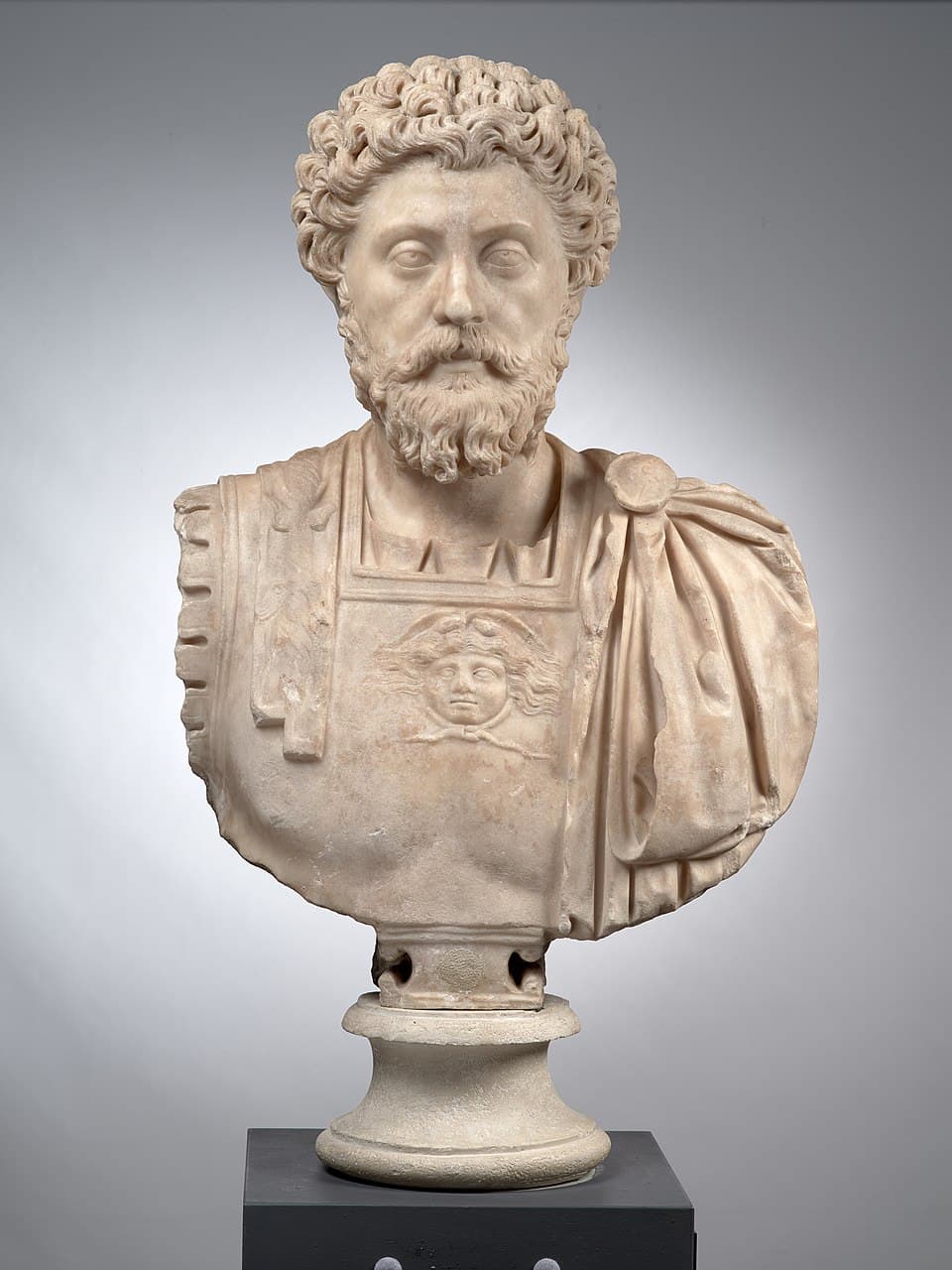
Marcus Aurelius
Meditations

The author defines philosophy as the preservation of the inner spirit from passion and hypocrisy, embracing all events as natural and meeting death with calm cheerfulness.

...of a man's life is as a point; the substance of it ever flowing, the sense obscure; and the whole composition of the body tending to corruption. His soul is restless, fortune uncertain, and fame doubtful; to be brief, as a stream so are all things belonging to the body; as a dream, or as a smoke, so are all that belong unto the soul. Our life is a warfare, and a mere pilgrimage. Fame after life is no better than oblivion. What is it then that will adhere and follow? Only one thing, philosophy.
And philosophy doth consist in this, for a man to preserve that spirit which is within him, from all manner of contumelies and injuries, and above all pains or pleasures; never to do anything either rashly, or feignedly, or hypocritically: wholly to depend from himself and his own proper actions: all things that happen unto him to embrace contentedly, as coming from Him from whom he himself also came; and above all things, with all meekness and a calm cheerfulness, to expect death, as being nothing else but the resolution of those elements, of which every creature is composed.
And if the elements themselves suffer nothing by this their perpetual conversion of one into another, that dissolution, and alteration, which is so common unto all, why should it be feared by any? Is not this according to nature? But nothing that is according to nature can be evil. Whilst I was at Carnuntum. THE THIRD BOOK I. A man must not only consider how daily his life wasteth and decreaseth, but this also, that if he live long, he cannot be certain, whether his understanding shall...
2
1 of 8 in THE THIRD BOOK38 of 309 in work
Now entering THE THIRD BOOK
Understanding's Uncertain Span
Marcus Aurelius
Meditations

A reflection on the fragility of the intellect, noting that one must value the present because the capacity for rational contemplation may decline even if life continues.

...ings, with all meekness and a calm cheerfulness, to expect death, as being nothing else but the resolution of those elements, of which every creature is composed. And if the elements themselves suffer nothing by this their perpetual conversion of one into another, that dissolution, and alteration, which is so common unto all, why should it be feared by any? Is not this according to nature? But nothing that is according to nature can be evil. Whilst I was at Carnuntum. THE THIRD BOOK I.
A man must not only consider how daily his life wasteth and decreaseth, but this also, that if he live long, he cannot be certain, whether his understanding shall continue so able and sufficient, for either discreet consideration, in matter of businesses; or for contemplation: it being the thing, whereon true knowledge of things both divine and human, doth depend.
For if once he shall begin to dote, his respiration, nutrition, his imaginative, and appetitive, and other natural faculties, may still continue the same: he shall find no want of them. But how to make that right use of himself that he should, how to observe exactly in all things that which is right and just, how to redress and rectify all wrong, or sudden apprehensions and imaginations, and even of this particular, whether he should live any longer or no, to consider duly; for all such things,...
2
2 of 8 in THE THIRD BOOK39 of 309 in work
Imperfect Beauty
Marcus Aurelius
Meditations

A vision of the inherent beauty found in natural processes, suggesting that even things that appear unappealing or decaying have a certain aesthetic rightness when viewed as part of the universal order.

...ld live any longer or no, to consider duly; for all such things, wherein the best strength and vigour of the mind is most requisite; his power and ability will be past and gone. Thou must hasten therefore; not only because thou art every day nearer unto death than other, but also because that intellective faculty in thee, whereby thou art enabled to know the true nature of things, and to order all thy actions by that knowledge, doth daily waste and decay: or, may fail thee before thou die. II.
This also thou must observe, that whatsoever it is that naturally doth happen to things natural, hath somewhat in itself that is pleasing and delightful: as a great loaf when it is baked, some parts of it cleave as it were, and part asunder, and make the crust of it rugged and unequal, and yet those parts of it, though in some sort it be against the art and intention of baking itself, that they are thus cleft and parted, which should have been and were first made all even and uniform, they become it well nevertheless, and have a certain peculiar property, to stir the appetite. So figs are accounted fairest and ripest then, when they begin to…
So will he behold with as much pleasure the true rictus of wild beasts, as those which by skilful painters and other artificers are imitated. So will he be able to perceive the proper ripeness and beauty of old age, whether in man or woman: and whatsoever else it is that is beautiful and alluring in whatsoever is, with chaste and continent eyes he will soon find out and discern. Those and many other things will he discern, not credible unto every one, but unto them only who are truly and fami...
Continue reading →
2
3 of 8 in THE THIRD BOOK40 of 309 in work
The Irony of Fate
Marcus Aurelius
Meditations

A somber reflection on the inevitability of death, noting that even the greatest healers, conquerors, and philosophers eventually succumb to the same fate as the rest of nature.

...as those which by skilful painters and other artificers are imitated. So will he be able to perceive the proper ripeness and beauty of old age, whether in man or woman: and whatsoever else it is that is beautiful and alluring in whatsoever is, with chaste and continent eyes he will soon find out and discern. Those and many other things will he discern, not credible unto every one, but unto them only who are truly and familiarly acquainted, both with nature itself, and all natural things. III.
Hippocrates having cured many sicknesses, fell sick himself and died. The Chaldeans and Astrologians having foretold the deaths of divers, were afterwards themselves surprised by the fates. Alexander and Pompeius, and Caius Cæsar, having destroyed so many towns, and cut off in the field so many thousands both of horse and foot, yet they themselves at last were fain to part with their own lives. Heraclitus having written so many natural tracts concerning the last and general conflagration of the world, died afterwards all filled with water within, and all bedaubed with dirt and dung without. Lice killed Democritus; and Socrates, another sort of vermin, wicked ungodly men.
How then stands the case? Thou hast taken ship, thou hast sailed, thou art come to land, go out, if to another life, there also shalt thou find gods, who are everywhere. If all life and sense shall cease, then shalt thou cease also to be subject to either pains or pleasures; and to serve and tend this vile cottage; so much the viler, by how much that which ministers unto it doth excel; the one being a rational substance, and a spirit, the other nothing but earth and blood. IV. Spend not the re...
2
4 of 8 in THE THIRD BOOK41 of 309 in work
Mind Your Own Mind
Marcus Aurelius
Meditations

The author advises focusing one's thoughts exclusively on the common good and rational self-observation, eliminating idle curiosity and malicious intent to maintain a sincere and peaceful mind.

...ked ungodly men. How then stands the case? Thou hast taken ship, thou hast sailed, thou art come to land, go out, if to another life, there also shalt thou find gods, who are everywhere. If all life and sense shall cease, then shalt thou cease also to be subject to either pains or pleasures; and to serve and tend this vile cottage; so much the viler, by how much that which ministers unto it doth excel; the one being a rational substance, and a spirit, the other nothing but earth and blood. IV.
Spend not the remnant of thy days in thoughts and fancies concerning other men, when it is not in relation to some common good, when by it thou art hindered from some other better work. That is, spend not thy time in thinking, what such a man doth, and to what end: what he saith, and what he thinks, and what he is about, and such other things or curiosities, which make a man to rove and wander from the care and observation of that part of himself, which is rational, and overruling. See therefore in the whole series and connection of thy thoughts, that thou be careful to prevent whatsoever is idle and impertinent: but especially, whatsoever is…
He that is such, is he surely that doth not put off to lay hold on that which is best indeed, a very priest and minister of the gods, well acquainted and in good correspondence with him especially that is seated and placed within himself, as in a temple and sacrary: to whom also he keeps and preserves himself unspotted by pleasure, undaunted by pain; free from any manner of wrong, or contumely, by himself offered unto himself: not capable of any evil from others: a wrestler of the best sort, an...
Continue reading →
2