Brief Mortality
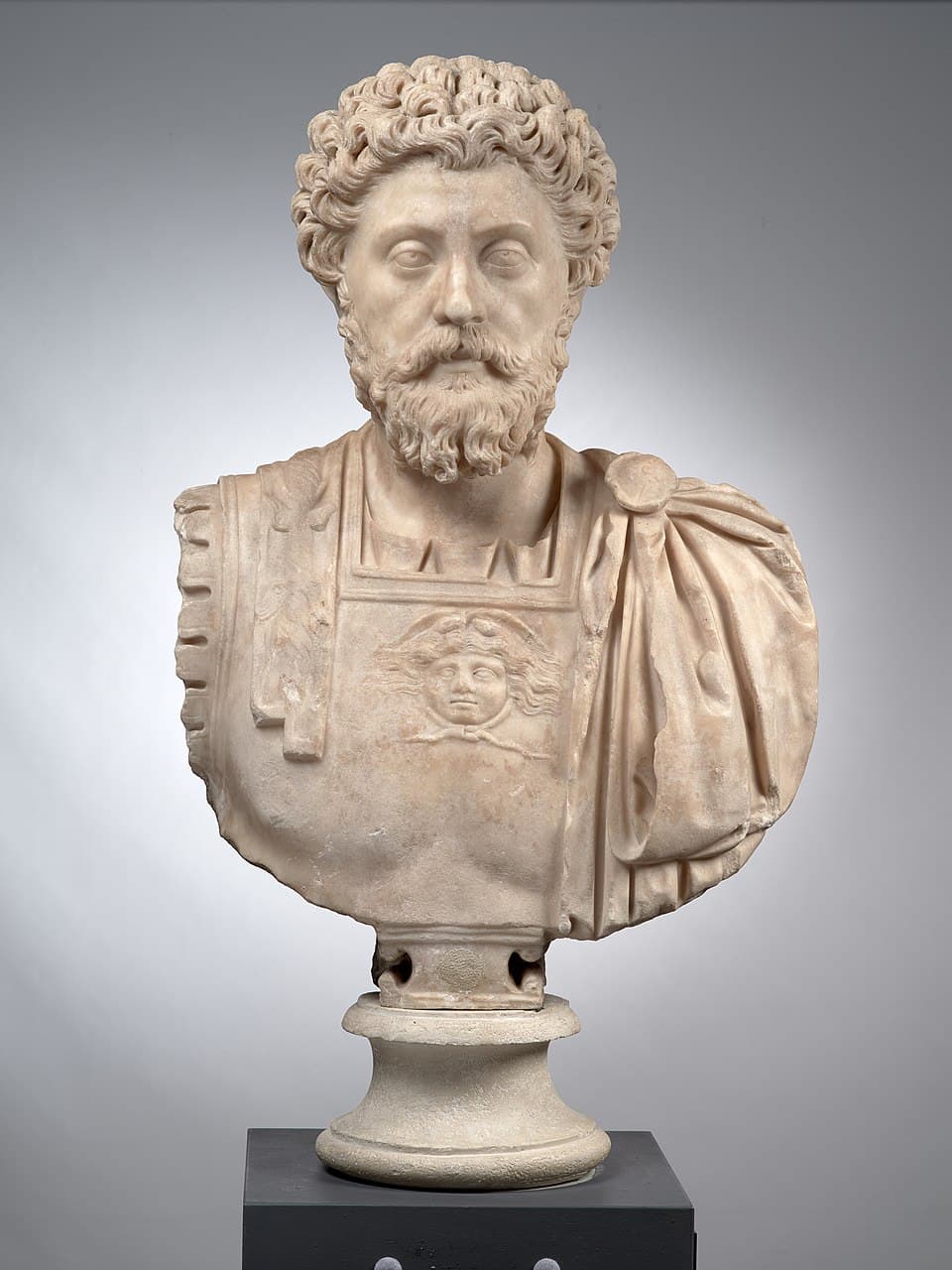
Marcus Aurelius
MeditationsA poignant memento mori reflecting on the brevity of life and the inevitable cycle of mortality that claims both the deceased and their mourners.
...e memories the names of men famous after death, is preserved, they are but leaves neither. For even so is it of all these worldly things. Their spring comes, and they are put forth. Then blows the wind, and they go down. And then in lieu of them grow others out of the wood or common matter of all things, like unto them. But, to endure but for a while, is common unto all. Why then shouldest thou so earnestly either seek after these things, or fly from them, as though they should endure for ever?
Yet a little while, and thine eyes will be closed up, and for him that carries thee to thy grave shall another mourn within a while after.
XXXV. A good eye must be good to see whatsoever is to be seen, and not green things only. For that is proper to sore eyes. So must a good ear, and a good smell be ready for whatsoever is either to be heard, or smelt: and a good stomach as indifferent to all kinds of food, as a millstone is, to whatsoever she was made for to grind. As ready therefore must a sound understanding be for whatsoever shall happen. But he that saith, O that my children might live! and, O that all men might commend me...
2