Form from Formlessness
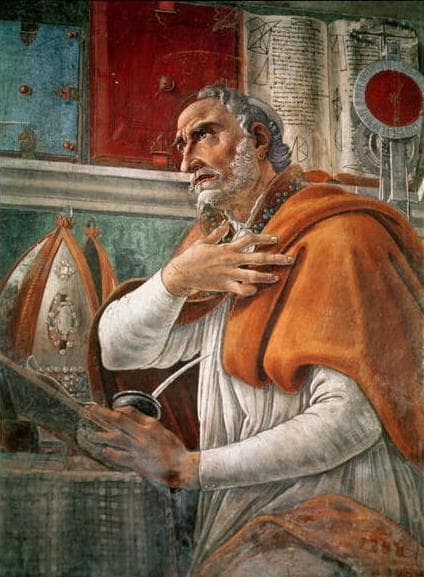
Augustine of Hippo
ConfessionsA series of ontological assertions regarding the relationship between form, formlessness, and the unchangeable nature of God's creation.
...not this, seeing he also understood a Truth, though not this truth? For true it is, O Lord, that Thou madest heaven and earth; and it is true too, that the Beginning is Thy Wisdom, in Which Thou createst all: and true again, that this visible world hath for its greater part the heaven and the earth, which briefly comprise all made and created natures. And true too, that whatsoever is mutable, gives us to understand a certain want of form, whereby it receiveth a form, or is changed, or turned.
It is true, that that is subject to no times, which so cleaveth to the unchangeable Form, as though subject to change, never to be changed. It is true, that that formlessness which is almost nothing, cannot be subject to the alteration of times. It is true, that that whereof a thing is made, may by a certain mode of speech, be called by the name of the thing made of it; whence that formlessness, whereof heaven and earth were made, might be called heaven and earth. It is true, that of things having form, there is not any nearer to having no form, than the earth and the deep. It is true, that not only every created and formed thing, but…
Out of these truths, of which they doubt not whose inward eye Thou hast enabled to see such things, and who unshakenly believe Thy servant Moses to have spoken in the Spirit of truth;--of all these then, he taketh one, who saith, In the Beginning God made the heaven and the earth; that is, "in His Word coeternal with Himself, God made the intelligible and the sensible, or the spiritual and the corporeal creature." He another, that saith, In the Beginning God made heaven and earth; that is, "in...
Continue reading →
4