The Limits of Inference
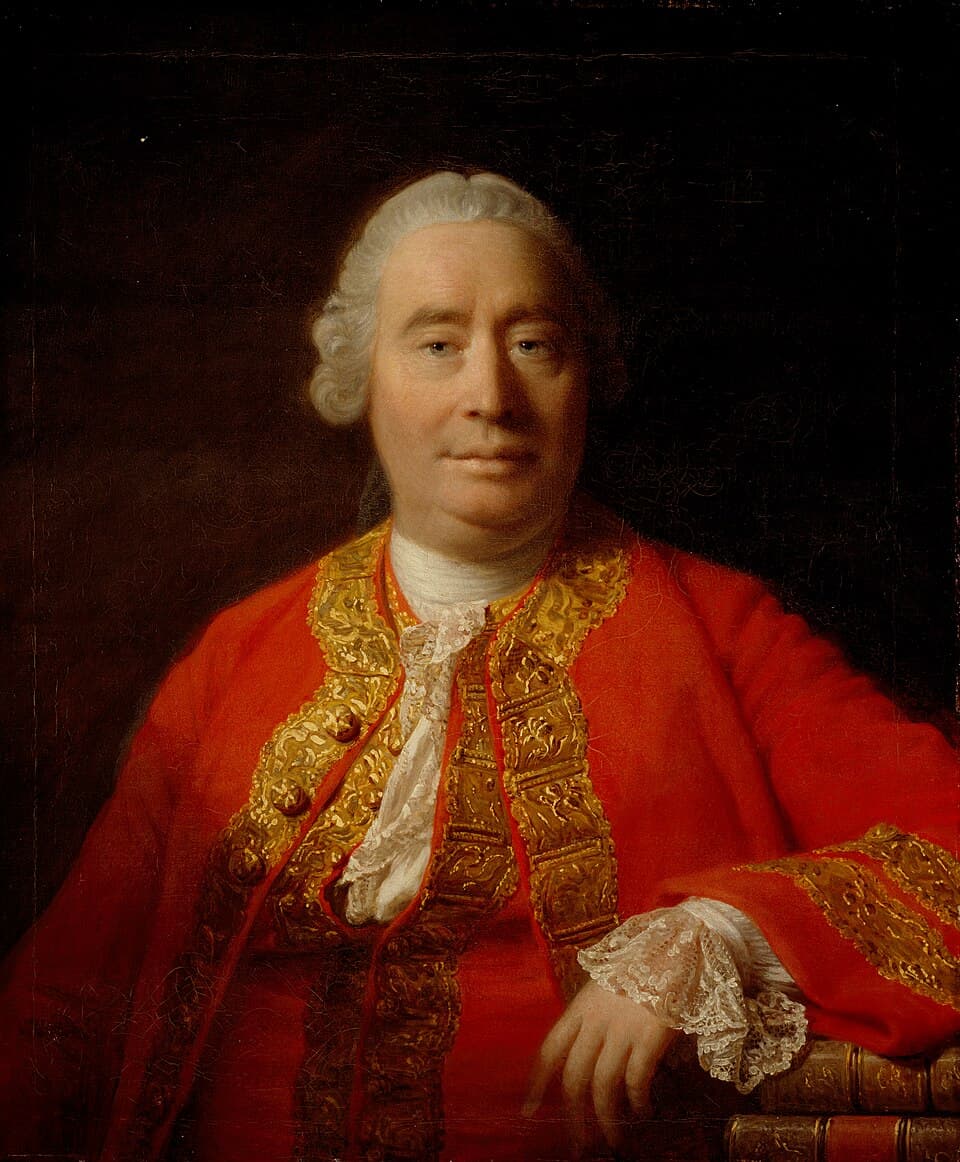
David Hume
An Enquiry Concerning Human UnderstandingThe author argues that a cause must be strictly proportioned to its effect, meaning we cannot logically attribute more qualities to a creator than are visible in the creation.
...ly requisite to produce the effect: Nor can we, by any rules of just reasoning, return back from the cause, and infer other effects from it, beyond those by which alone it is known to us. No one, merely from the sight of one of Zeuxis's pictures, could know, that he was also a statuary or architect, and was an artist no less skilful in stone and marble than in colours. The talents and taste, displayed in the particular work before us; these we may safely conclude the workman to be possessed of.
The cause must be proportioned to the effect; and if we exactly and precisely proportion it, we shall never find in it any qualities, that point farther, or afford an inference concerning any other design or performance. Such qualities must be somewhat beyond what is merely requisite for producing the effect, which we examine. 106. Allowing, therefore, the gods to be the authors of the existence or order of the universe; it follows, that they possess that precise degree of power, intelligence, and benevolence, which appears in their workmanship; but nothing farther can ever be proved, except we call in the assistance of exaggeration and flattery to supply the defects of argument and reasoning.
So far as the traces of any attributes, at present, appear, so far may we conclude these attributes to exist. The supposition of farther attributes is mere hypothesis; much more the supposition, that, in distant regions of space or periods of time, there has been, or will be, a more magnificent display of these attributes, and a scheme of administration more suitable to such imaginary virtues. We can never be allowed to mount up from the universe, the effect, to Jupiter, the cause; and then des...
4