Like Attracts Like
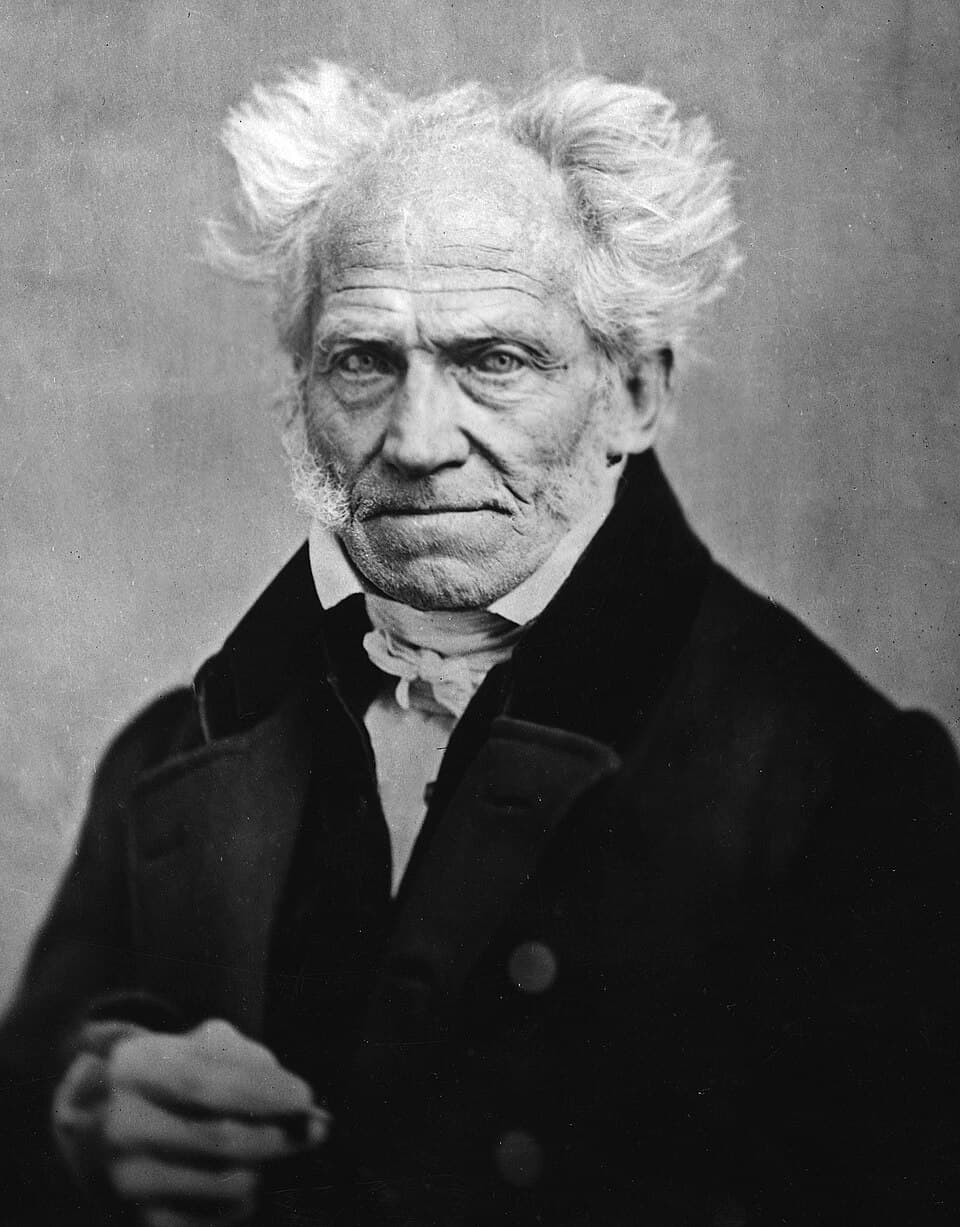
Arthur Schopenhauer
The Wisdom of LifeThe author argues that individuals are only capable of appreciating things that mirror their own nature, leading the dull to prefer dullness and the wise to prefer wisdom.
...ur, or the temper of the moment,--belonging to it, living and dying with it. The general history of art and literature shows that the highest achievements of the human mind are, as a rule, not favorably received at first; but remain in obscurity until they win notice from intelligence of a high order, by whose influence they are brought into a position which they then maintain, in virtue of the authority thus given them. If the reason of this should be asked, it will be found that ultimately,
A man can really understand and appreciate those things only which are of like nature with himself. The dull person will like what is dull, and the common person what is common; a man whose ideas are mixed will be attracted by confusion of thought; and folly will appeal to him who has no brains at all; but best of all, a man will like his own works, as being of a character thoroughly at one with himself.
This is a truth as old as Epicharmus of fabulous memory-- [Greek: Thaumaston ouden esti me tauth outo legein Kal andanein autoisin autous kal dokein Kalos pethukenai kal gar ho kuon kuni Kalloton eimen phainetai koi bous boi Onos dono kalliston [estin], us dut.] The sense of this passage--for it should not be lost--is that we should not be surprised if people are pleased with themselves, and fancy that they are in good case; for to a dog the best thing in the world is a dog; to an o...
5