The Feudal Principle
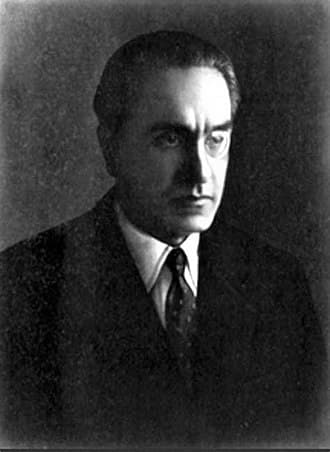
Julius Evola
Revolt Against the Modern WorldA description of the feudal regime as an organic system based on personal bravery, honor, and free interaction rather than abstract law or collective public power.
...quests a second aspect of the abovementioned development took place: the bestowal of conquered lands as fiefs in return for the commitment to faithfulness. The Frank nobility spread into areas that did not coincide with those of any given nation and became a bonding and unifying element. From a formal point of view, this development appeared to involve an alteration of the previous constitution; to rule over a fief was regarded as a regal benefit contingent upon loyalty and service to the king.
In reality, the feudal regime was a principle to be followed rather than a rigid reality; it was the general idea of an organic law of order that left ample room for the dynamic interaction of free forces fighting either side by side or against each other, without attenuations or alterations—subject before lord, lord before lord—and that caused everything (freedom, honor, glory, destiny, property) to be based on bravery and on the personal factor since nothing or virtually nothing was based on a collective element, public power, or abstract law.
As it has rightfully been remarked, in the feudal system of the origins the fundamental and distinctive feature of regality was not that of a "public" power, but rather that of forces that were in the presence of other forces, each one responsible to itself for its own authority and dignity. Thus, such a state of affairs often resembled a state of war rather than that of a "society"; it was precisely because of this, however, that a particular differentiation of energies occurred. Never has man...
4