The Inner Self
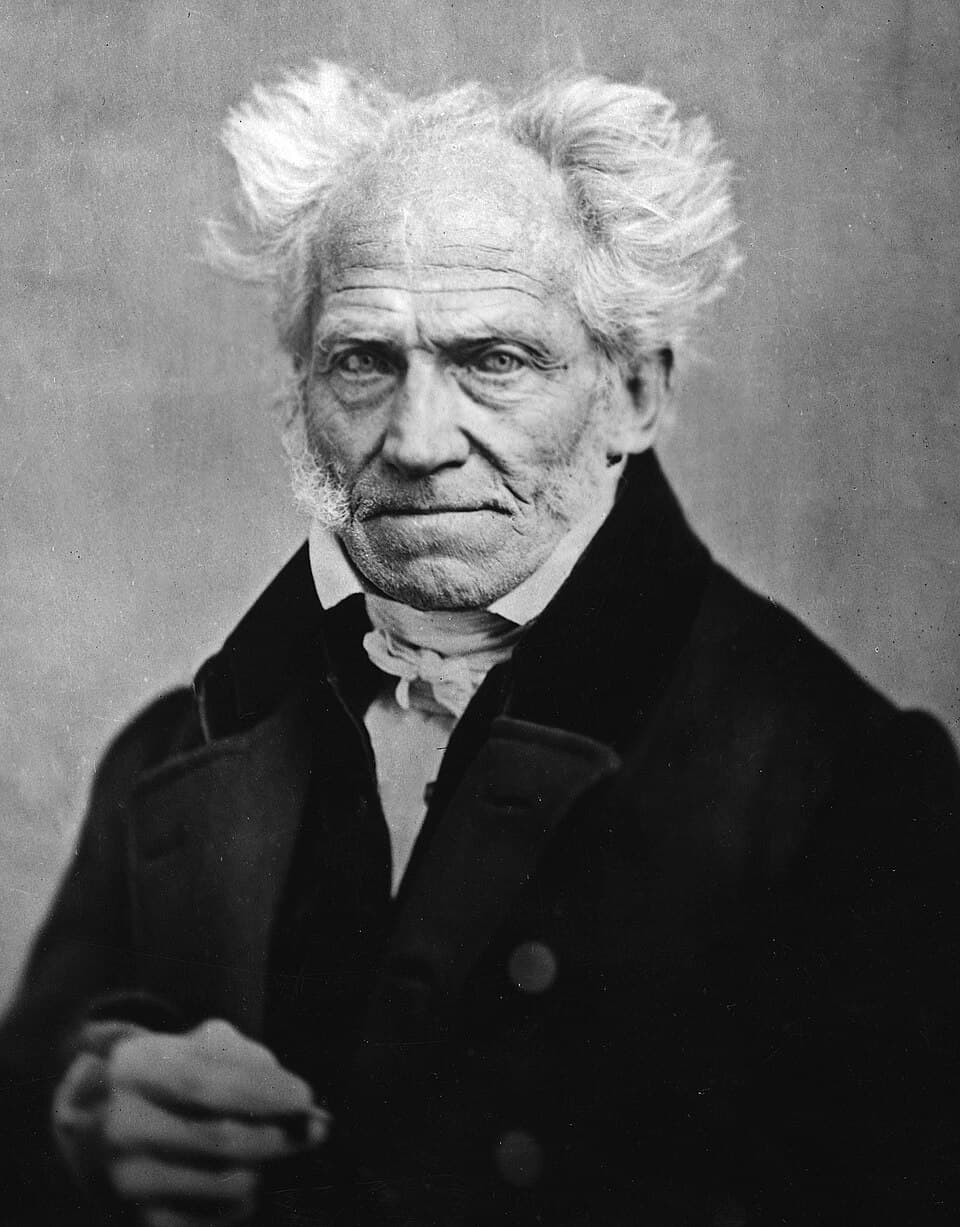
Arthur Schopenhauer
The Wisdom of LifeThe author contends that internal intellectual resources are more essential than external possessions, as a thinker finds entertainment in solitude while a dullard suffers even amidst amusements.
...d Youth and Age cannot live together, up to the life of the Genius and the Saint. Health outweighs all other blessings so much that one may really say that a healthy beggar is happier than an ailing king. A quiet and cheerful temperament, happy in the enjoyment of a perfectly sound physique, an intellect clear, lively, penetrating and seeing things as they are, a moderate and gentle will, and therefore a good conscience--these are privileges which no rank or wealth can make up for or replace.
For what a man is in himself, what accompanies him when he is alone, what no one can give or take away, is obviously more essential to him than everything he has in the way of possessions, or even what he may be in the eyes of the world. An intellectual man in complete solitude has excellent entertainment in his own thoughts and fancies, while no amount of diversity or social pleasure, theatres, excursions and amusements, can ward off boredom from a dullard.
A good, temperate, gentle character can be happy in needy circumstances, whilst a covetous, envious and malicious man, even if he be the richest in the world, goes miserable. Nay more; to one who has the constant delight of a special individuality, with a high degree of intellect, most of the pleasures which are run after by mankind are simply superfluous; they are even a trouble and a burden. And so Horace says of himself, that, however many are deprived of the fancy-goods of life, there is on...
5