Philosophy's Proper Province
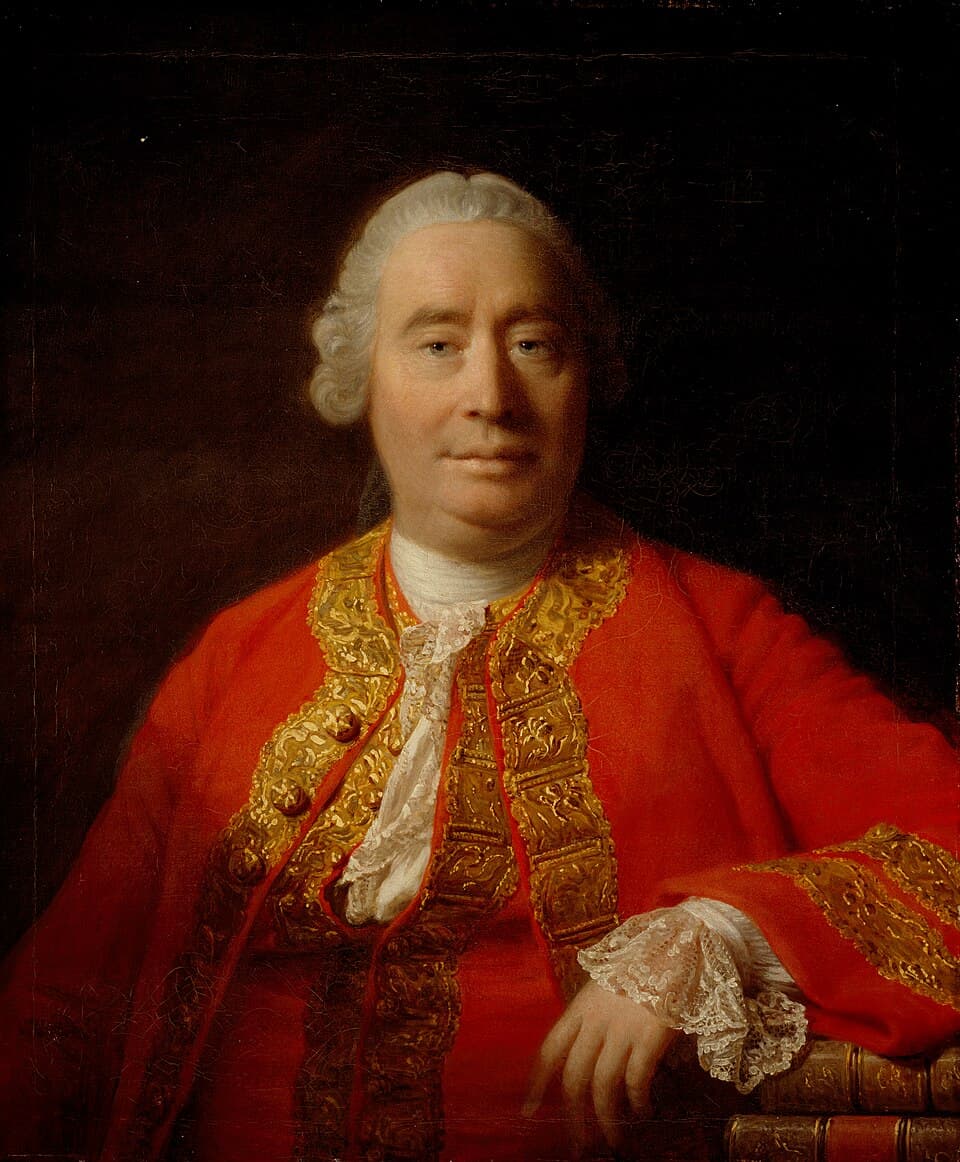
David Hume
An Enquiry Concerning Human UnderstandingHume advises philosophy to abandon the pursuit of 'sublime mysteries' like divine decree and return to the modest examination of common life.
...he second objection admits not of so easy and satisfactory an answer; nor is it possible to explain distinctly, how the Deity can be the mediate cause of all the actions of men, without being the author of sin and moral turpitude. These are mysteries, which mere natural and unassisted reason is very unfit to handle; and whatever system she embraces, she must find herself involved in inextricable difficulties, and even contradictions, at every step which she takes with regard to such subjects.
To reconcile the indifference and contingency of human actions with prescience; or to defend absolute decrees, and yet free the Deity from being the author of sin, has been found hitherto to exceed all the power of philosophy. Happy, if she be thence sensible of her temerity, when she pries into these sublime mysteries; and leaving a scene so full of obscurities and perplexities, return, with suitable modesty, to her true and proper province, the examination of common life; where she will find difficulties enough to employ her enquiries, without launching into so boundless an ocean of doubt, uncertainty, and contradiction!
SECTION IX. OF THE REASON OF ANIMALS. 82. All our reasonings concerning matter of fact are founded on a species of Analogy, which leads us to expect from any cause the same events, which we have observed to result from similar causes. Where the causes are entirely similar, the analogy is perfect, and the inference, drawn from it, is regarded as certain and conclusive: nor does any man ever entertain a doubt, where he sees a piece of iron, that it will have weight and cohesion of parts; as...
4