God's Censure vs Soul
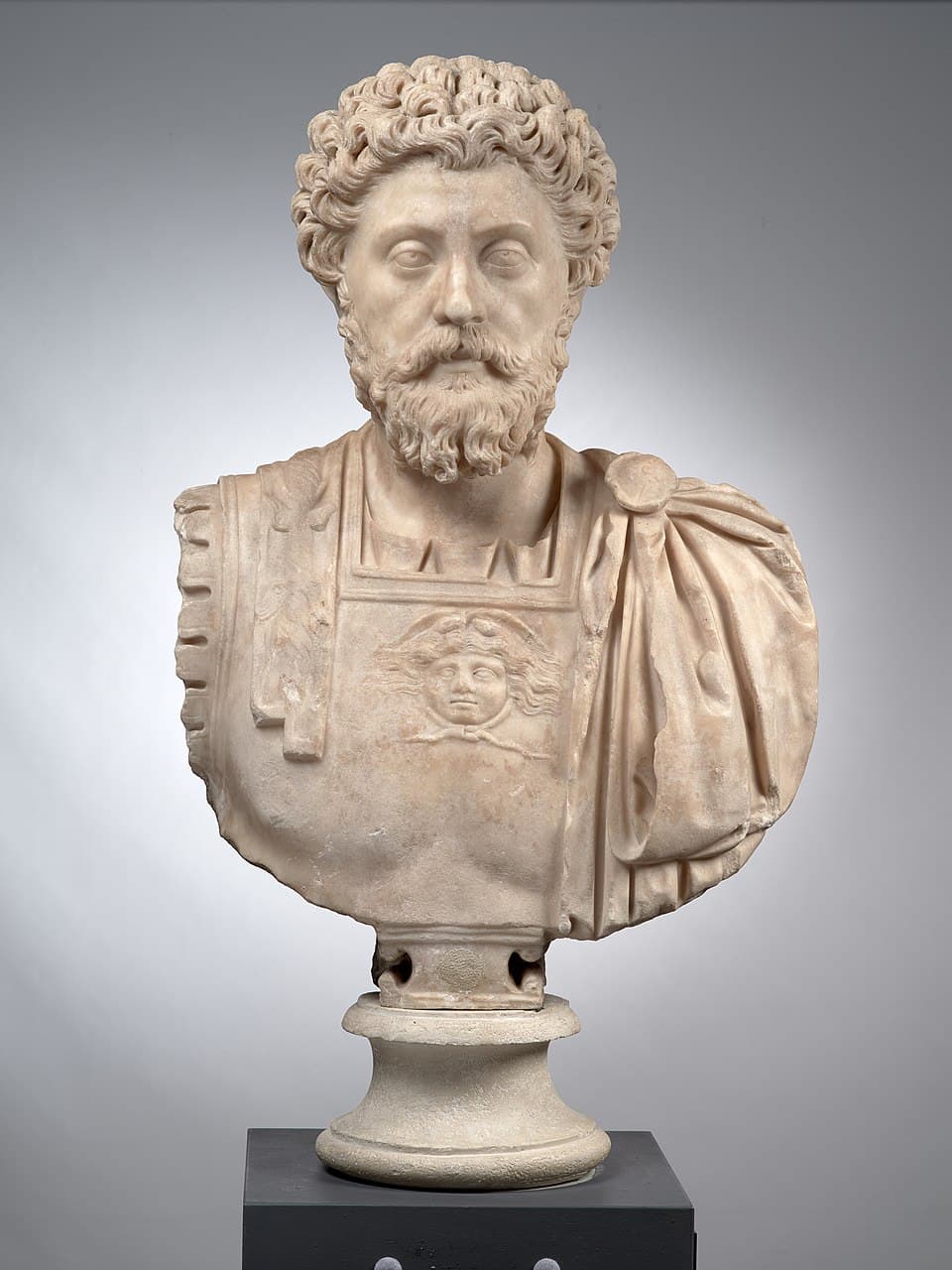
Marcus Aurelius
MeditationsA comparison of Christian and Roman Stoic magnanimity, both of which advocate for enduring injustice with patience by appealing to a higher internal or divine judgment rather than public praise.
...istian aims at a more passive mood, humbleness and meekness, and reliance on the presence and personal friendship of God. The Roman scrutinises his faults with severity, but without the self-contempt which makes the Christian 'vile in his own sight.' The Christian, like the Roman, bids 'study to withdraw thine heart from the love of things visible'; but it is not the busy life of duty he has in mind so much as the contempt of all worldly things, and the 'cutting away of all lower delectations.'
Both rate men's praise or blame at their real worthlessness; 'Let not thy peace,' says the Christian, 'be in the mouths of men.' But it is to God's censure the Christian appeals, the Roman to his own soul. The petty annoyances of injustice or unkindness are looked on by each with the same magnanimity. 'Why doth a little thing said or done against thee make thee sorry? It is no new thing; it is not the first, nor shall it be the last, if thou live long. At best suffer patiently, if thou canst not suffer joyously.'
The Christian should sorrow more for other men's malice than for our own wrongs; but the Roman is inclined to wash his hands of the offender. 'Study to be patient in suffering and bearing other men's defaults and all manner infirmities,' says the Christian; but the Roman would never have thought to add, 'If all men were perfect, what had we then to suffer of other men for God?' The virtue of suffering in itself is an idea which does not meet us in the Meditations. Both alike realise that man...
5