Miracles as Proof
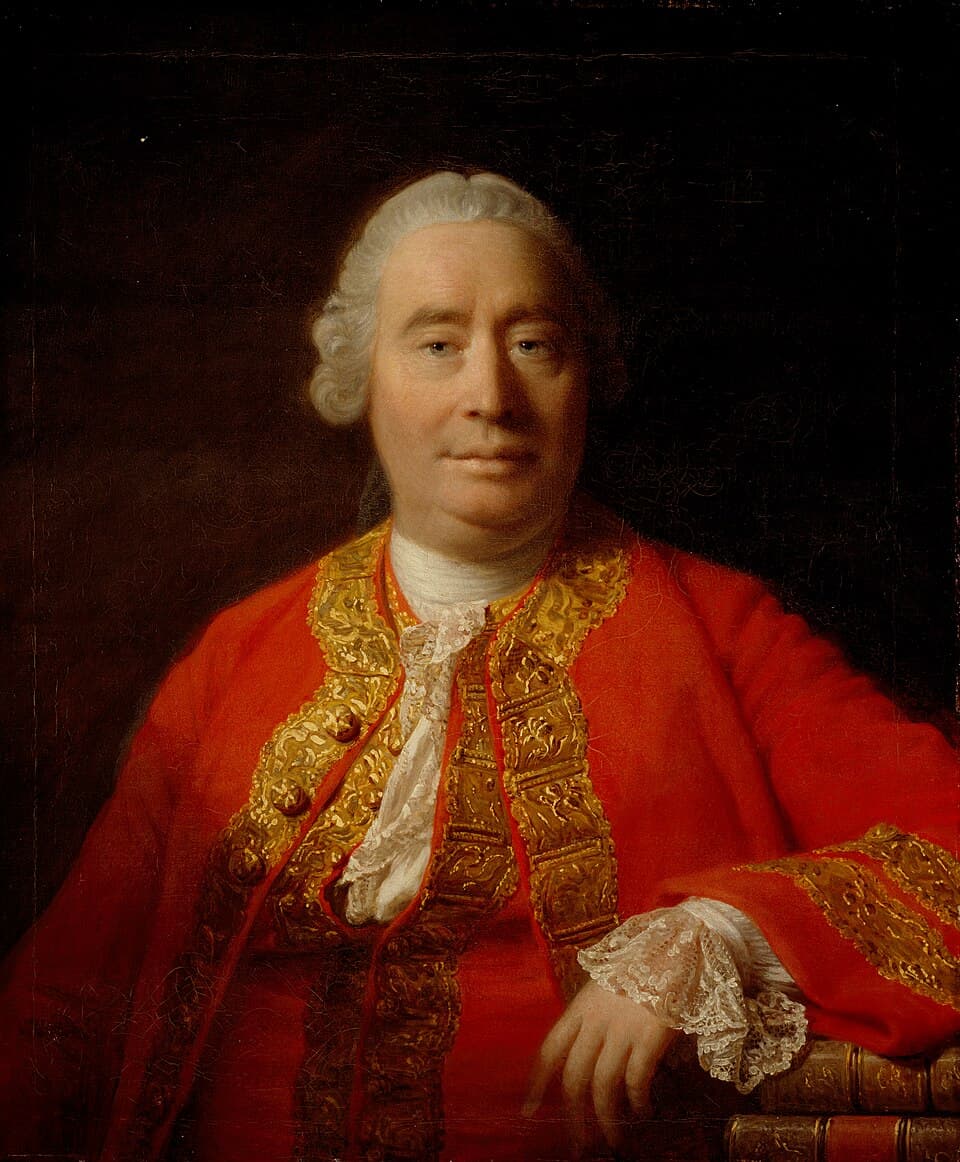
David Hume
An Enquiry Concerning Human UnderstandingThe author claims that prophecies are a subset of miracles and concludes that the Christian religion requires a miraculous subversion of reason for one to believe it.
...; and that people the countrymen of the author: Of their deliverance from bondage by prodigies the most astonishing imaginable: I desire any one to lay his hand upon his heart, and after a serious consideration declare, whether he thinks that the falsehood of such a book, supported by such a testimony, would be more extraordinary and miraculous than all the miracles it relates; which is, however, necessary to make it be received, according to the measures of probability above established. 101.
What we have said of miracles may be applied, without any variation, to prophecies; and indeed, all prophecies are real miracles, and as such only, can be admitted as proofs of any revelation. If it did not exceed the capacity of human nature to foretell future events, it would be absurd to employ any prophecy as an argument for a divine mission or authority from heaven. So that, upon the whole, we may conclude, that the Christian Religion not only was at first attended with miracles, but even at this day cannot be believed by any reasonable person without one.
Mere reason is insufficient to convince us of its veracity: And whoever is moved by Faith to assent to it, is conscious of a continued miracle in his own person, which subverts all the principles of his understanding, and gives him a determination to believe what is most contrary to custom and experience. SECTION XI. OF A PARTICULAR PROVIDENCE AND OF A FUTURE STATE. 102. I was lately engaged in conversation with a friend who loves sceptical paradoxes; where, though he advanced many prin...
4