God's Vision Through Us
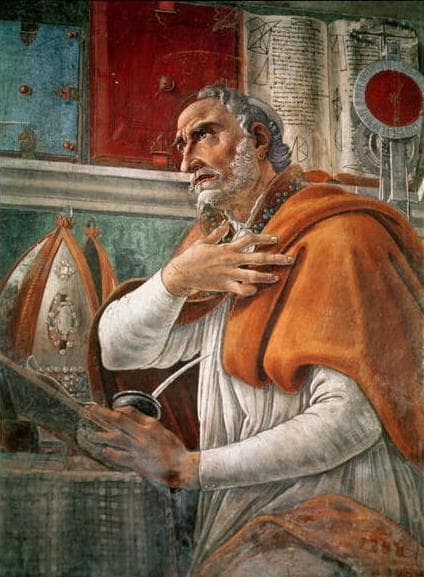
Augustine of Hippo
ConfessionsThe author posits that human knowledge and perception of goodness are actually manifestations of God acting through the individual.
...is in him? even so the things of God knoweth no one, but the Spirit of God. Now we (saith he) have received, not the spirit of this world, but the Spirit which is of God, that we might know the things that are freely given to us of God. And I am admonished, "Truly the things of God knoweth no one, but the Spirit of God: how then do we also know, what things are given us of God?" Answer is made me; "because the things which we know by His Spirit, even these no one knoweth, but the Spirit of God.
For as it is rightly said unto those that were to speak by the Spirit of God, it is not ye that speak: so is it rightly said to them that know through the Spirit of God, 'It is not ye that know.' And no less then is it rightly said to those that see through the Spirit of God, 'It is not ye that see'; so whatsoever through the Spirit of God they see to be good, it is not they, but God that sees that it is good."
It is one thing then for a man to think that to be ill which is good, as the forenamed do; another, that that which is good, a man should see that it is good (as Thy creatures be pleasing unto many, because they be good, whom yet Thou pleasest not in them, when they prefer to enjoy them, to Thee); and another, that when a man sees a thing that it is good, God should in him see that it is good, so, namely, that He should be loved in that which He made, Who cannot be loved, but by the Holy Ghost...
6