Intellectual Pleasure's Clarity
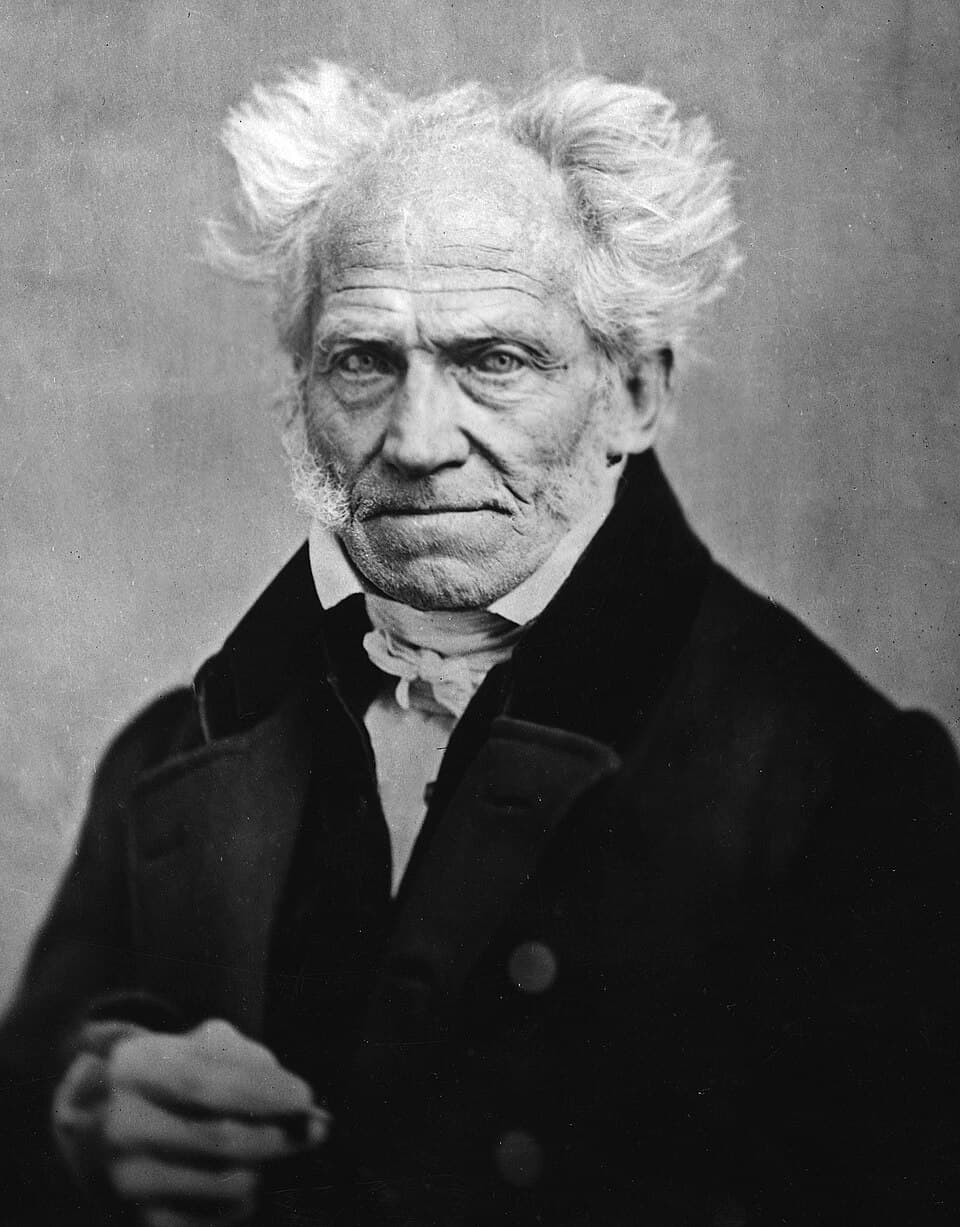
Arthur Schopenhauer
The Wisdom of LifeThe author posits that intellectual pleasures are superior to all others because they are independent of the will's painful desires and lead to the clarity of truth.
...the world can boast. The highest product of Nature is the clearest degree of consciousness, in which the world mirrors itself more plainly and completely than anywhere else. A man endowed with this form of intelligence is in possession of what is noblest and best on earth; and accordingly, he has a source of pleasure in comparison with which all others are small. From his surroundings he asks nothing but leisure for the free enjoyment of what he has got, time, as it were, to polish his diamond.
All other pleasures that are not of the intellect are of a lower kind; for they are, one and all, movements of will--desires, hopes, fears and ambitions, no matter to what directed: they are always satisfied at the cost of pain, and in the case of ambition, generally with more or less of illusion. With intellectual pleasure, on the other hand, truth becomes clearer and clearer. In the realm of intelligence pain has no power. Knowledge is all in all.
Further, intellectual pleasures are accessible entirely and only through the medium of the intelligence, and are limited by its capacity. For all the wit there is in the world is useless to him who has none. Still this advantage is accompanied by a substantial disadvantage; for the whole of Nature shows that with the growth of intelligence comes increased capacity for pain, and it is only with the highest degree of intelligence that suffering reaches its supreme point.] The normal, ordinary...
6