The Flames Test
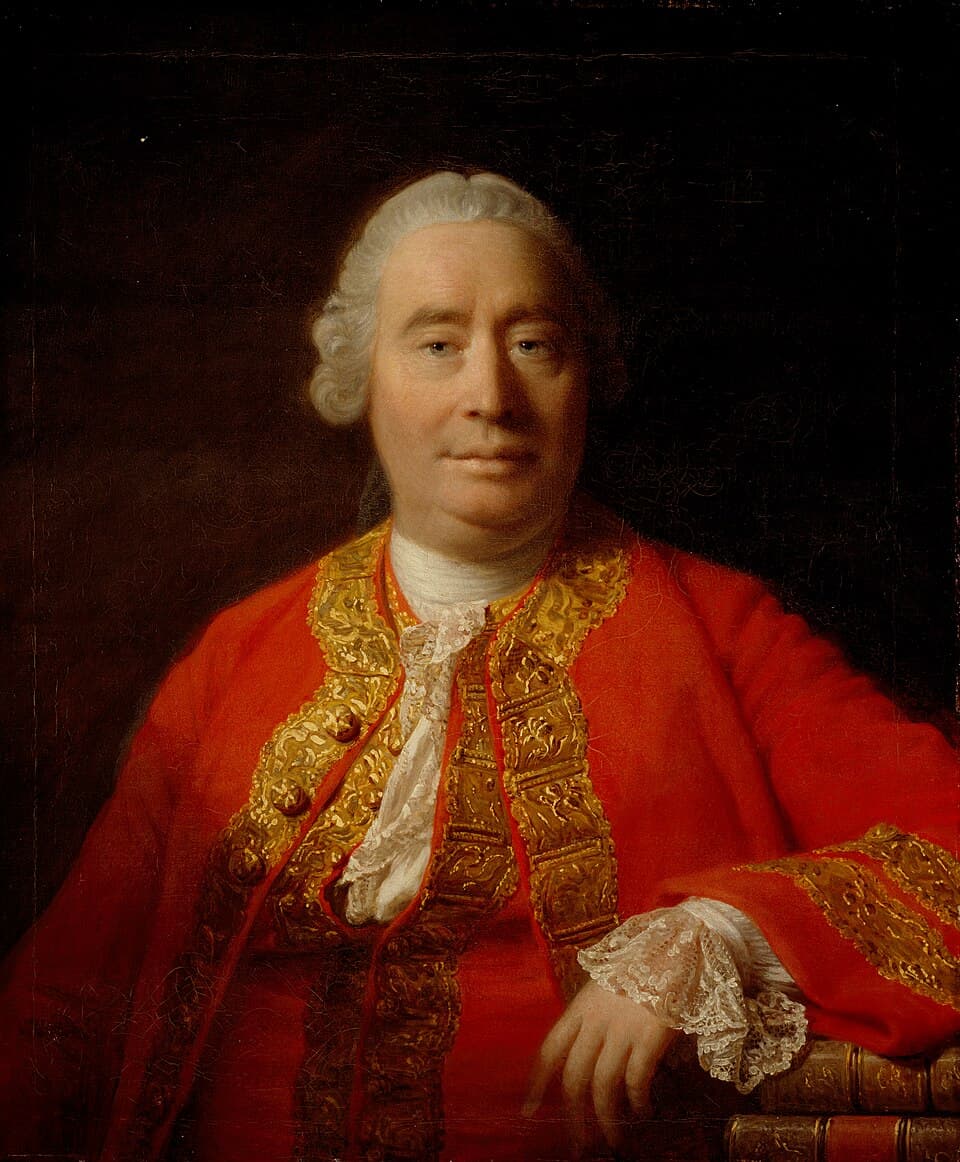
David Hume
An Enquiry Concerning Human UnderstandingThe author issues a provocative command to discard any books that contain neither mathematical reasoning nor experimental facts, labeling them as mere illusion.
...tion in reason, so far as it is supported by experience. But its best and most solid foundation is faith and divine revelation. Morals and criticism are not so properly objects of the understanding as of taste and sentiment. Beauty, whether moral or natural, is felt, more properly than perceived. Or if we reason concerning it, and endeavour to fix its standard, we regard a new fact, to wit, the general tastes of mankind, or some such fact, which may be the object of reasoning and enquiry.
When we run over libraries, persuaded of these principles, what havoc must we make? If we take in our hand any volume; of divinity or school metaphysics, for instance; let us ask, Does it contain any abstract reasoning concerning quantity or number? No. Does it contain any experimental reasoning concerning matter of fact and existence? No. Commit it then to the flames: for it can contain nothing but sophistry and illusion.
4