The Supernatural Calm
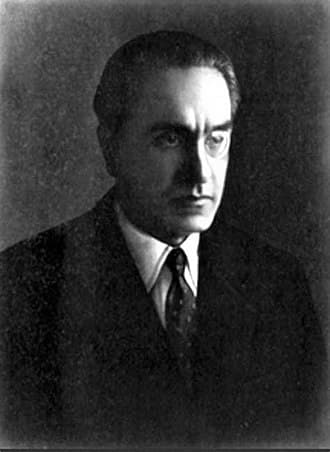
Julius Evola
Revolt Against the Modern WorldThe author defines the 'imperator pacificus' not as a political peacemaker, but as a figure of inner, supernatural calm and spiritual perfection.
...ext, and which sustains them in a supernatural way. Moreover, the "Olympian" attribute and the attribute of "peace" are connected to the condition of "stability" in the esoteric sense of the word. Kings "who derive their power from the supreme god and who have received victory at his hands," are "lighthouses of peace in the storm." After "glory," centrality ("polarity"), and stability, peace is one of the fundamental attributes of regality that has been preserved until relatively recent times.
Dante talked about the imperator pacificus, a title previously bestowed on Charlemagne. Obviously, this is not the profane and social peace pursued by a political government—a kind of peace that is at most an external consequence—but rather an inner and positive peace, which should not be divorced from the "triumphal" element. This peace does not convey the notion of cessation, but rather that of the highest degree of perfection of a pure, inner and withdrawn activity. It is a calm that reveals the supernatural.
According to Confucius a man destined to be a ruler (the "virtuous"), unlike ordinary men, "rests in rectitude and is stable and unperturbed"; "the men of affairs enjoy life, but the virtuous prolongs it." Hence that great calm that conveys the feeling of an irresistible superiority and terrifies and disarms the adversary without a fight. This greatness immediately evokes the feeling of a transcendent force that is already mastered and ready to spring forward; or the marvelous and yet frightfu...
4