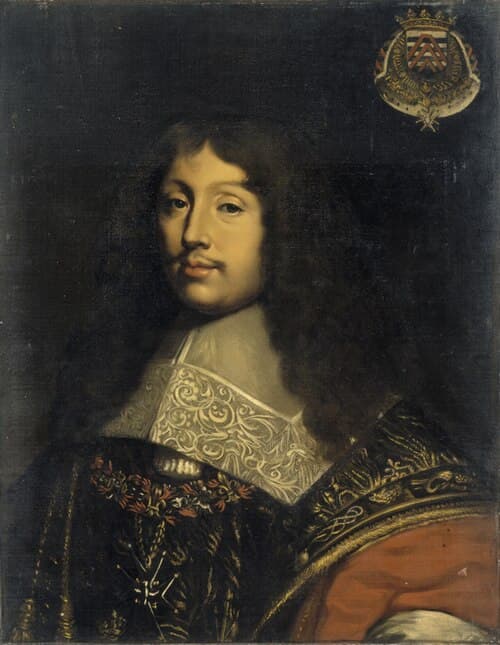
The author suggests that the philosophical disdain for wealth is often a defensive mechanism used to maintain dignity and social distinction in the face of poverty.
Francois de La Rochefoucauld
MaximsModeration as Performance
This excerpt extends the parent's cynical view by applying it to moderation, arguing that moderation is a vain display to appear greater than one's fortune, aligning with the idea that virtue is a covert bid for distinction.
Marcus Aurelius
MeditationsTrue vs Apparent Good
This excerpt presents the philosophical view that only virtues like prudence and temperance are truly good, while wealth, pleasure, and honor are not, implying that contempt for riches is justified and not merely a hidden desire for distinction.
Blaise Pascal
PenseesVanity's Universal Grip
This excerpt identifies vanity as a universal human motive, explaining why even philosophers who condemn riches might still seek admiration, thus underlying the hidden desire for distinction that the parent describes.
Blaise Pascal
PenseesHumility Through Penitence
This excerpt shifts the discussion from psychological analysis to theological correction, arguing that philosophers err by prescribing extreme feelings and that proper humility and greatness come from grace, not from human merit or hidden motives.
Friedrich Nietzsche
Beyond Good and EvilSuffering's Noble Mask
This excerpt questions the very project of uncovering hidden motives, advocating reverence for the mask and caution against psychological curiosity, suggesting that we may not be able to discern true intentions.
Marcus Aurelius
MeditationsThe Trap of Attachment
This excerpt offers practical guidance on achieving inner freedom by not valuing external goods like wealth, thus avoiding the passions and confusion that come from such attachments.
