The author contends that major political and historical events are more often the result of personal passions and petty jealousies than grand, calculated designs.
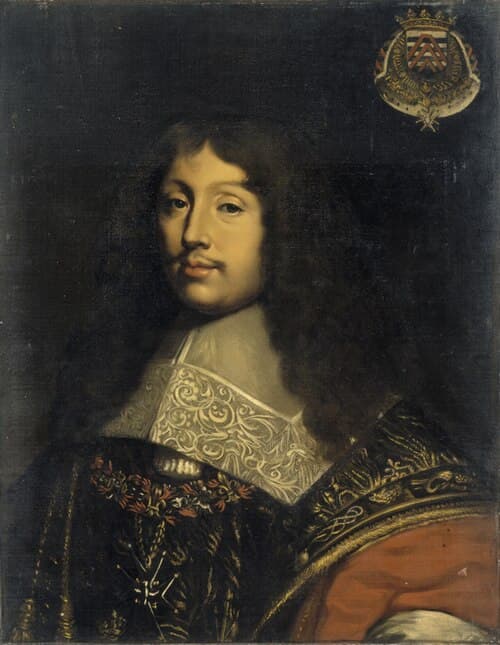
Francois de La Rochefoucauld
MaximsChance's Great Actions
Directly supports the parent's claim by stating that great actions are more often the result of chance than of grand design, aligning with the idea that passions and temper, not calculated plans, drive history.
Niccolo Machiavelli
The PrinceSelf-Made Preeminence
Challenges the parent by arguing that the actions of great men are not attributable to fortune (or chance/passions) but to their own step-by-step efforts and genius, emphasizing deliberate design over impulsive passion.
Francois de La Rochefoucauld
MaximsBravery's Hidden Motives
Elaborates on the specific passions—such as love of glory, fear of shame, and greed—that often underlie seemingly brave or great actions, providing a psychological mechanism for how passions drive human deeds.
Niccolo Machiavelli
The PrinceAppearance Over Reality
Reframes the discussion from examining the causes of actions to judging by their outcomes, suggesting that in politics, results matter more than the motives (whether passions or designs) behind them.
Blaise Pascal
PenseesLove's Catastrophic Triviality
Questions our ability to pinpoint the causes of great events, noting that they often stem from a 'je ne sais quoi'—an unknowable trifle—thus casting doubt on any definitive attribution of historical events to specific passions or designs.
Marcus Aurelius
MeditationsTrue Happiness Sources
Offers practical wisdom by advising that true happiness comes from focusing on one's own actions rather than being driven by the passion for external applause, providing an antidote to the ambitious temper the parent describes.