Unprovable Ultimate Ends
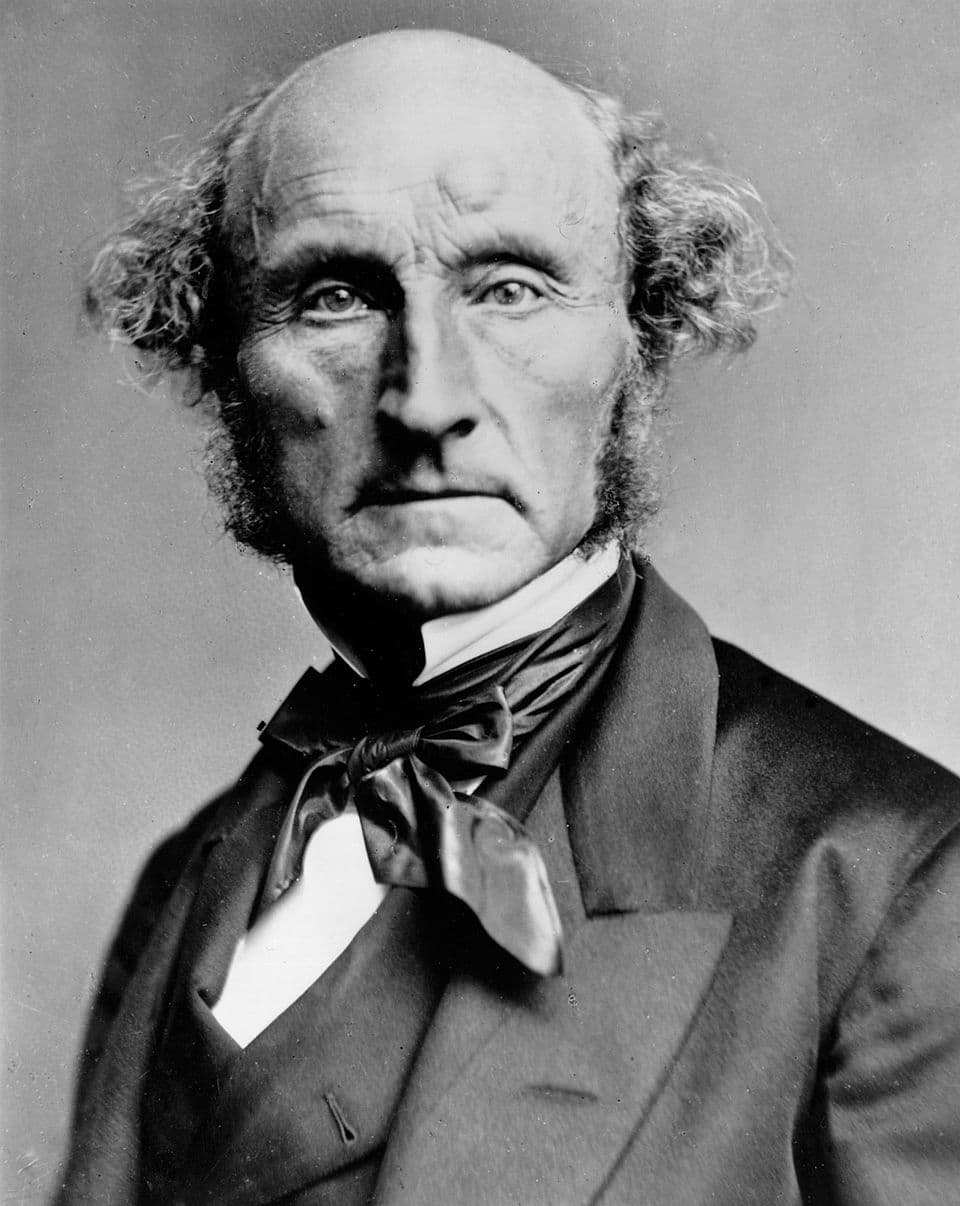
John Stewart Mill
UtilitarianismThe author asserts that ultimate ends, such as the goodness of pleasure or health, cannot be proven through reasoning but must be accepted as the foundational goals toward which all other things serve as means.
...the most outrageously immoral rules of conduct. All he shows is that the consequences of their universal adoption would be such as no one would choose to incur. On the present occasion, I shall, without further discussion of the other theories, attempt to contribute something towards the understanding and appreciation of the Utilitarian or Happiness theory, and towards such proof as it is susceptible of. It is evident that this cannot be proof in the ordinary and popular meaning of the term.
Questions of ultimate ends are not amenable to direct proof. Whatever can be proved to be good, must be so by being shown to be a means to something admitted to be good without proof. The medical art is proved to be good, by its conducing to health; but how is it possible to prove that health is good? The art of music is good, for the reason, among others, that it produces pleasure; but what proof is it possible to give that pleasure is good? If, then, it is asserted that there is a comprehensive formula, including all things which are in themselves good, and that whatever else is good, is not so as an end, but as a mean, the formula may be accepted or rejected, but is not a subject of what is commonly understood by proof.
We are not, however, to infer that its acceptance or rejection must depend on blind impulse, or arbitrary choice. There is a larger meaning of the word proof, in which this question is as amenable to it as any other of the disputed questions of philosophy. The subject is within the cognizance of the rational faculty; and neither does that faculty deal with it solely in the way of intuition. Considerations may be presented capable of determining the intellect either to give or withhold its assen...
6