The Genuine Creator
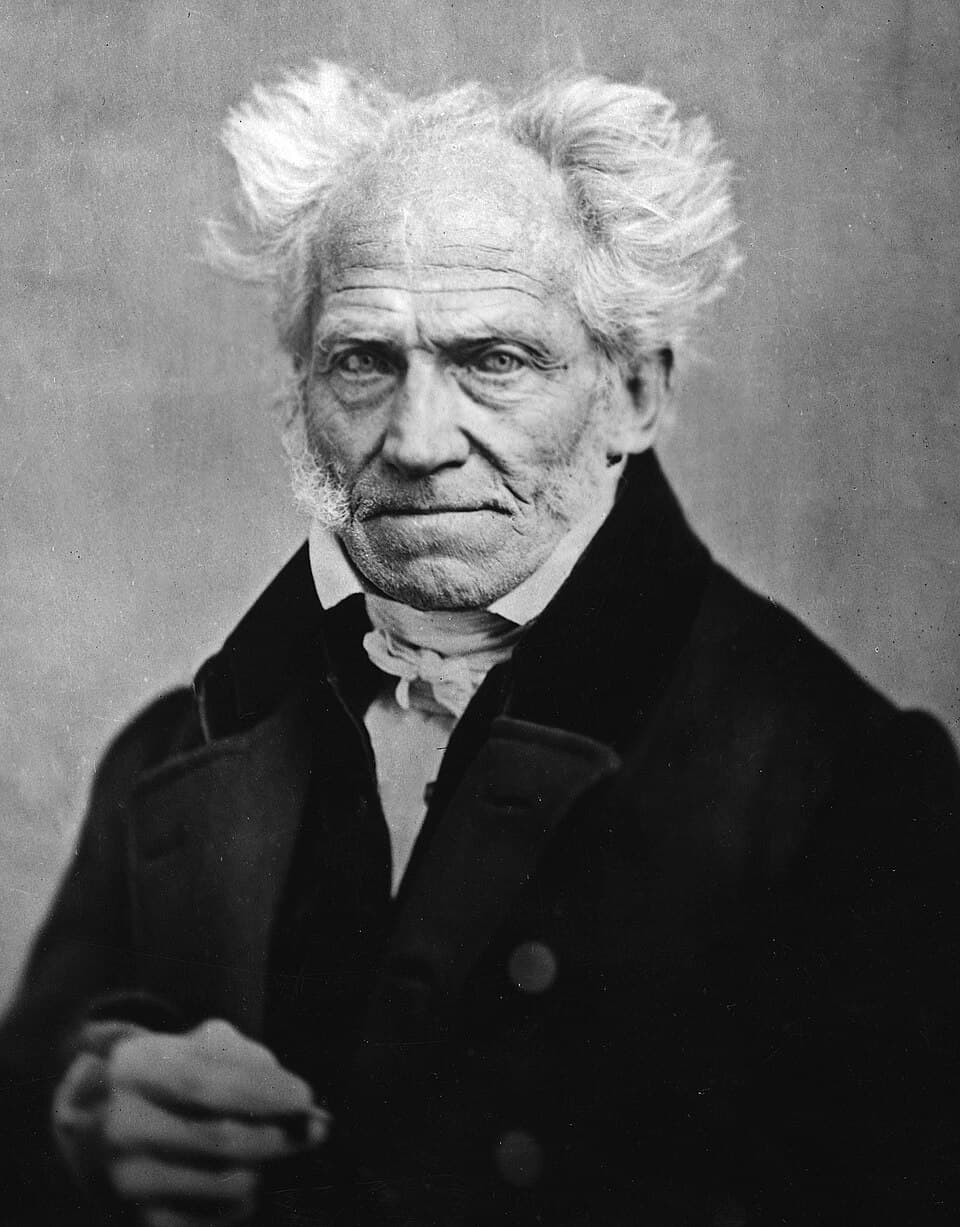
Arthur Schopenhauer
The Wisdom of LifeThe author contends that immortal works are created through a love for the subject rather than ambition, requiring the creator to defy and even despise the opinions of the masses.
...the difficulty of winning fame by any given work stands in reverse ratio to the number of people who are likely to read it; and hence it is so much harder to become famous as the author of a learned work than as a writer who aspires only to amuse. It is hardest of all in the case of philosophical works, because the result at which they aim is rather vague, and, at the same time, useless from a material point of view; they appeal chiefly to readers who are working on the same lines themselves.
It is clear, then, from what I have said as to the difficulty of winning fame, that those who labor, not out of love for their subject, nor from pleasure in pursuing it, but under the stimulus of ambition, rarely or never leave mankind a legacy of immortal works. The man who seeks to do what is good and genuine, must avoid what is bad, and be ready to defy the opinions of the mob, nay, even to despise it and its misleaders.
Hence the truth of the remark, (especially insisted upon by Osorius de Gloria), that fame shuns those who seek it, and seeks those who shun it; for the one adapt themselves to the taste of their contemporaries, and the others work in defiance of it. But, difficult though it be to acquire fame, it is an easy thing to keep when once acquired. Here, again, fame is in direct opposition to honor, with which everyone is presumably to be accredited. Honor has not to be won; it must only not be lost...
4