Custom as Guide
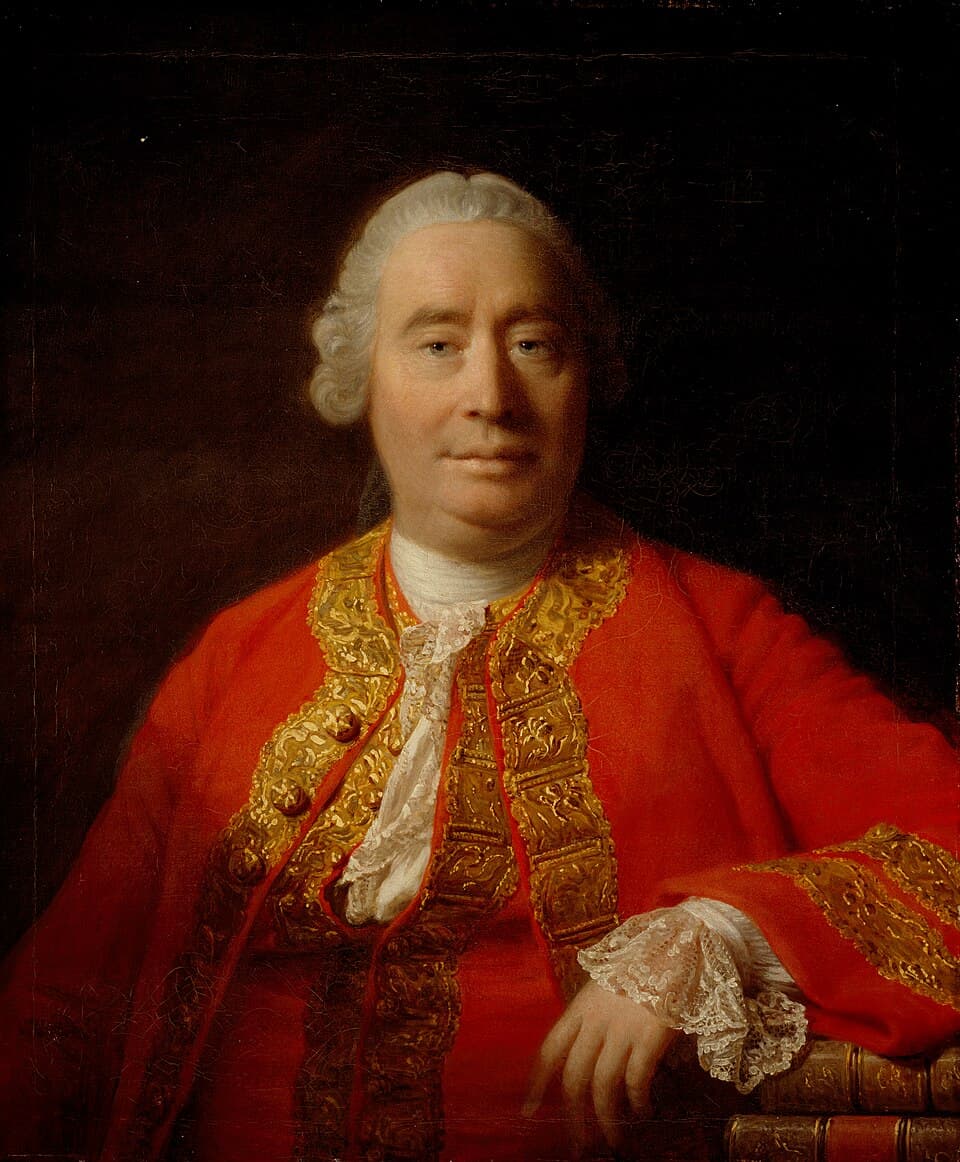
David Hume
An Enquiry Concerning Human UnderstandingHume identifies custom as the essential guide of human life, without which we would be unable to act or reason beyond our immediate memory.
...y depend. Not to mention, that, to a young beginner, the general observations and maxims occur not always on the proper occasions, nor can be immediately applied with due calmness and distinction. The truth is, an unexperienced reasoner could be no reasoner at all, were he absolutely unexperienced; and when we assign that character to any one, we mean it only in a comparative sense, and suppose him possessed of experience, in a smaller and more imperfect degree.
Custom, then, is the great guide of human life. It is that principle alone which renders our experience useful to us, and makes us expect, for the future, a similar train of events with those which have appeared in the past. Without the influence of custom, we should be entirely ignorant of every matter of fact beyond what is immediately present to the memory and senses. We should never know how to adjust means to ends, or to employ our natural powers in the production of any effect. There would be an end at once of all action, as well as of the chief part of speculation.
37. But here it may be proper to remark, that though our conclusions from experience carry us beyond our memory and senses, and assure us of matters of fact which happened in the most distant places and most remote ages, yet some fact must always be present to the senses or memory, from which we may first proceed in drawing these conclusions. A man, who should find in a desert country the remains of pompous buildings, would conclude that the country had, in ancient times, been cultivated by ci...
4