Nature's Proper Course
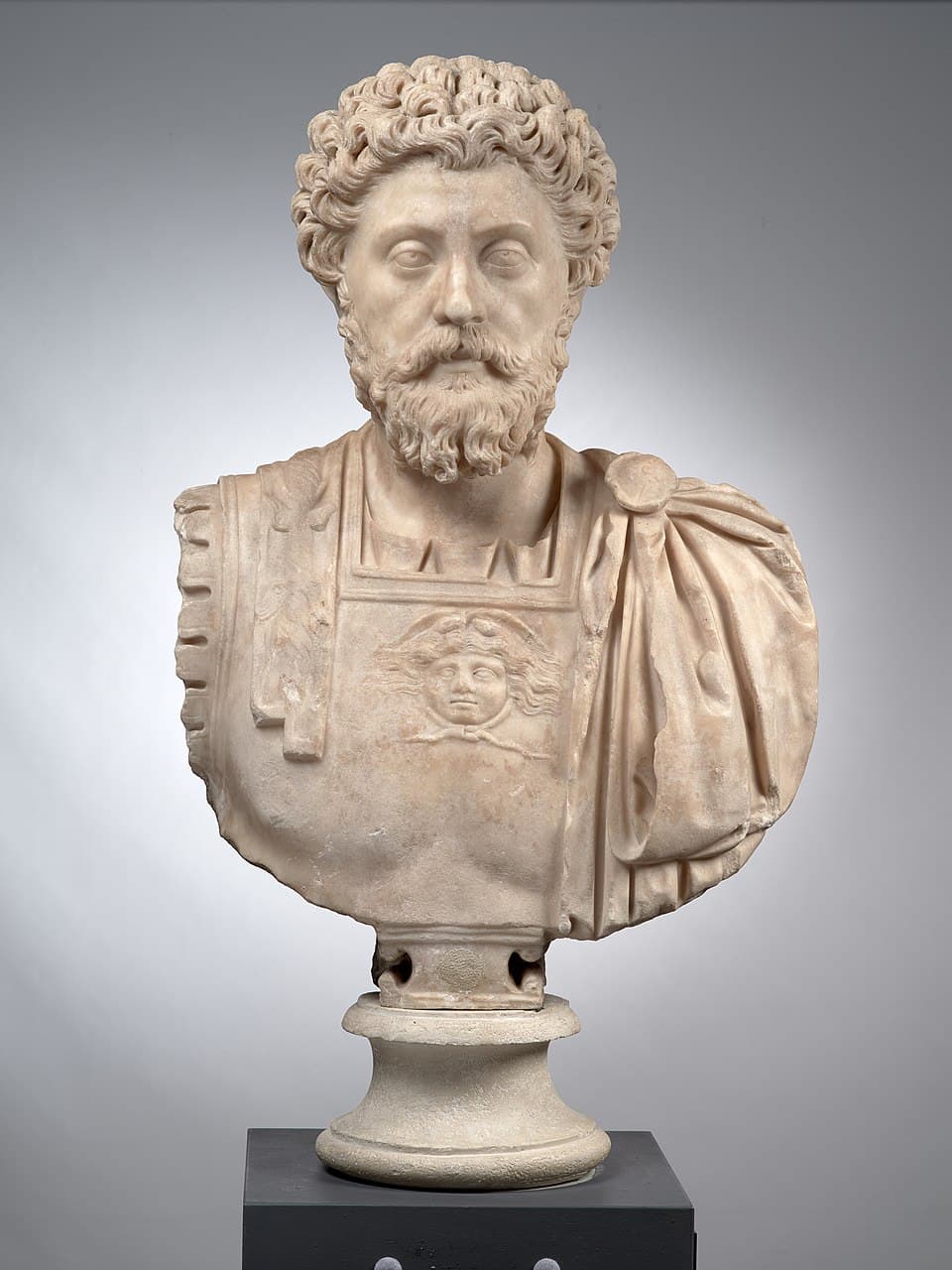
Marcus Aurelius
MeditationsThe author argues that a rational nature finds contentment by avoiding falsehood, seeking the common good, and embracing whatever fate the universe provides.
...f thee as thou art a man, be not diverted from what thou art about, and speak that which seemeth unto thee most just: only speak it kindly, modestly, and without hypocrisy. V. That which the nature of the universe doth busy herself about, is; that which is here, to transfer it thither, to change it, and thence again to take it away, and to carry it to another place. So that thou needest not fear any new thing. For all things are usual and ordinary; and all things are disposed by equality. VI.
Every particular nature hath content, when in its own proper course it speeds. A reasonable nature doth then speed, when first in matter of fancies and imaginations, it gives no consent to that which is either false uncertain. Secondly, when in all its motions and resolutions it takes its level at the common good only, and that it desireth nothing, and flieth from nothing, bet what is in its own power to compass or avoid. And lastly, when it willingly and gladly embraceth, whatsoever is dealt and appointed unto it by the common nature.
For it is part of it; even as the nature of any one leaf, is part of the common nature of all plants and trees. But that the nature of a leaf, is part of a nature both unreasonable and unsensible, and which in its proper end may be hindered; or, which is servile and slavish: whereas the nature of man is part of a common nature which cannot be hindered, and which is both reasonable and just. From whence also it is, that according to the worth of everything, she doth make such equal distribution...
4