The Unconquerable Mind
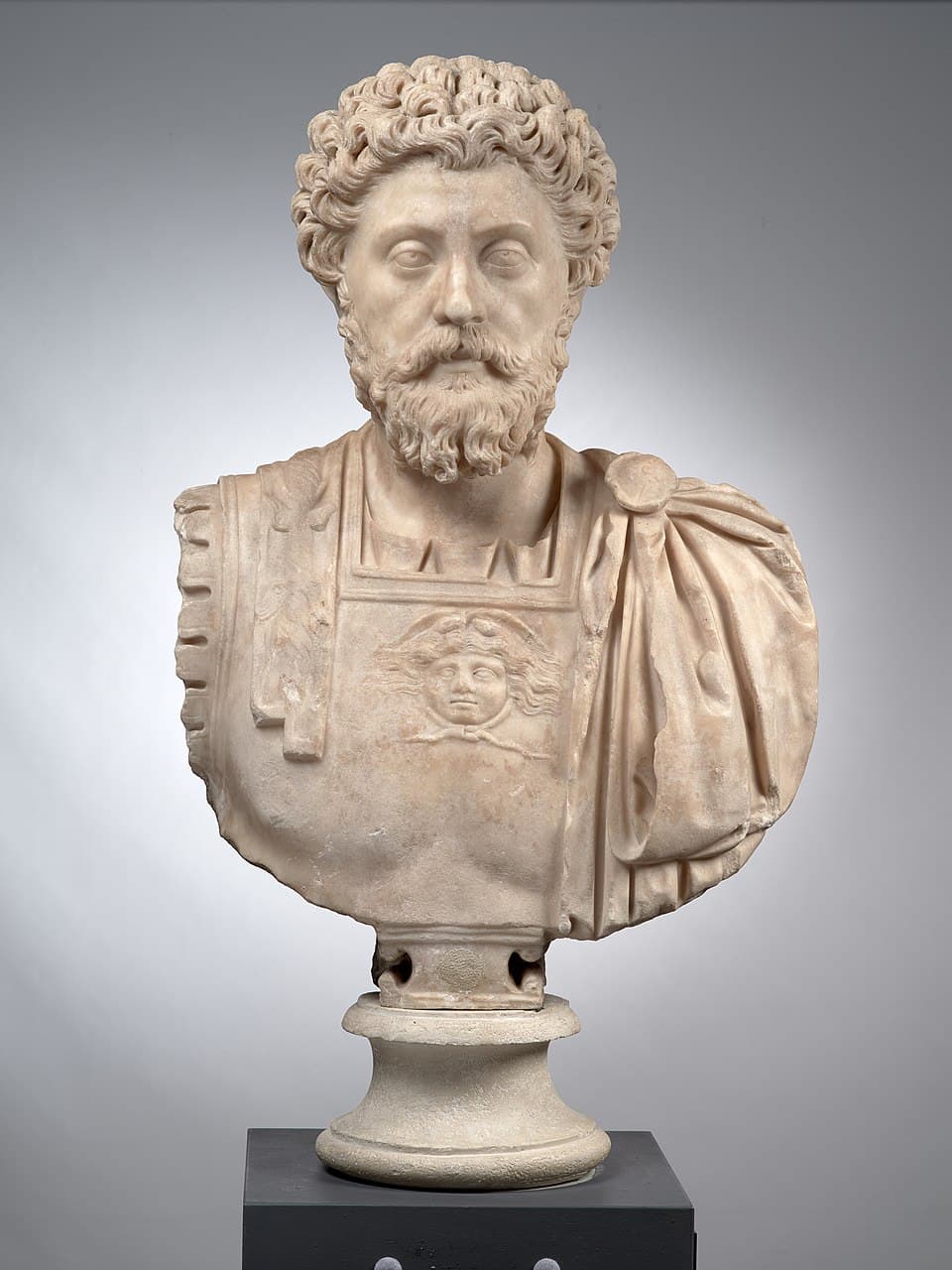
Marcus Aurelius
MeditationsA reflection on the mind as an unconquerable fortress that, when free from passion and guided by reason, becomes a place of impregnable defense for the individual.
...doth hinder thee. Let it not grieve thee then, if it be not thy fault that the thing is not performed. 'Yea but it is a thing of that nature, as that thy life is not worth the while, except it may be performed.' If it be so, upon condition that thou be kindly and lovingly disposed towards all men, thou mayest be gone. For even then, as much as at any time, art thou in a very good estate of performance, when thou doest die in charity with those, that are an obstacle unto thy performance. XLVI.
Remember that thy mind is of that nature as that it becometh altogether unconquerable, when once recollected in herself, she seeks no other content than this, that she cannot be forced: yea though it so fall out, that it be even against reason itself, that it cloth bandy. How much less when by the help of reason she is able to judge of things with discretion? And therefore let thy chief fort and place of defence be, a mind free from passions. A stronger place, (whereunto to make his refuge, and so to become impregnable) and better fortified than this, hath no man.
He that seeth not this is unlearned. He that seeth it, and betaketh not himself to this place of refuge, is unhappy. XLVII. Keep thyself to the first bare and naked apprehensions of things, as they present themselves unto thee, and add not unto them. It is reported unto thee, that such a one speaketh ill of thee. Well; that he speaketh ill of thee, so much is reported. But that thou art hurt thereby, is not reported: that is the addition of opinion, which thou must exclude. I see that my child...
4