Rudeness as Weapon
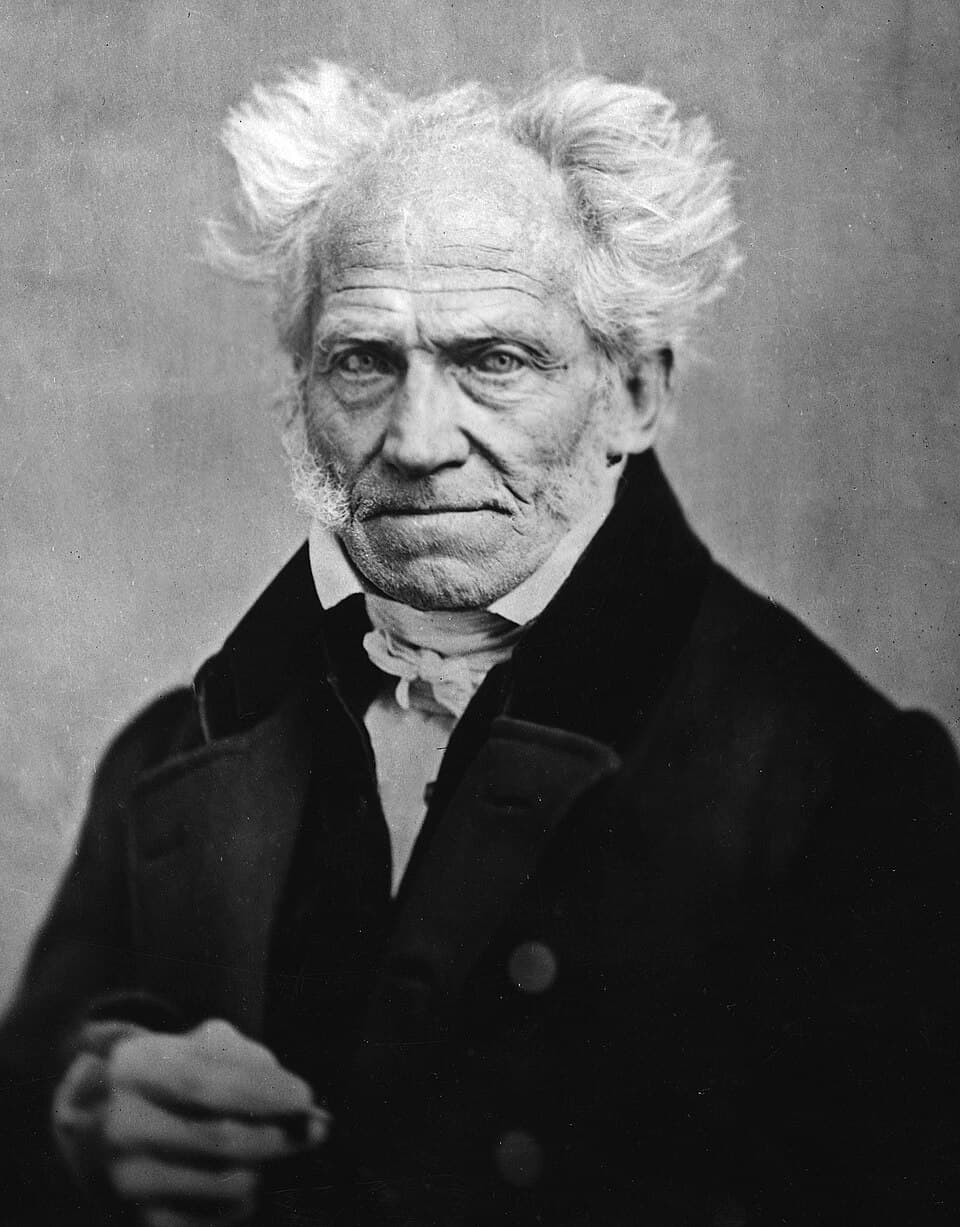
Arthur Schopenhauer
The Wisdom of LifeThe author cynically observes that when outmatched by another's superior intellect or judgment, people often resort to rudeness and insults as a way to bypass logic and assert a false sense of superiority.
...ult him. Thereupon right and honor leave him and come to me, and, for the time being, he has lost them--until he gets them back, not by the exercise of right or reason, but by shooting and sticking me. Accordingly, rudeness is a quality which, in point of honor, is a substitute for any other and outweighs them all. The rudest is always right. What more do you want? However stupid, bad or wicked a man may have been, if he is only rude into the bargain, he condones and legitimizes all his faults.
If in any discussion or conversation, another man shows more knowledge, greater love of truth, a sounder judgment, better understanding than we, or generally exhibits intellectual qualities which cast ours into the shade, we can at once annul his superiority and our own shallowness, and in our turn be superior to him, by being insulting and offensive. For rudeness is better than any argument; it totally eclipses intellect.
If our opponent does not care for our mode of attack, and will not answer still more rudely, so as to plunge us into the ignoble rivalry of the Avantage, we are the victors and honor is on our side. Truth, knowledge, understanding, intellect, wit, must beat a retreat and leave the field to this almighty insolence. Honorable people immediately make a show of mounting their war-horse, if anyone utters an opinion adverse to theirs, or shows more intelligence than they can muster; and if in an...
6