The author prescribes a life focused on acting according to human nature, emphasizing the importance of loving one's enemies and accepting the inevitability of being forgotten.
Love the Transgressor
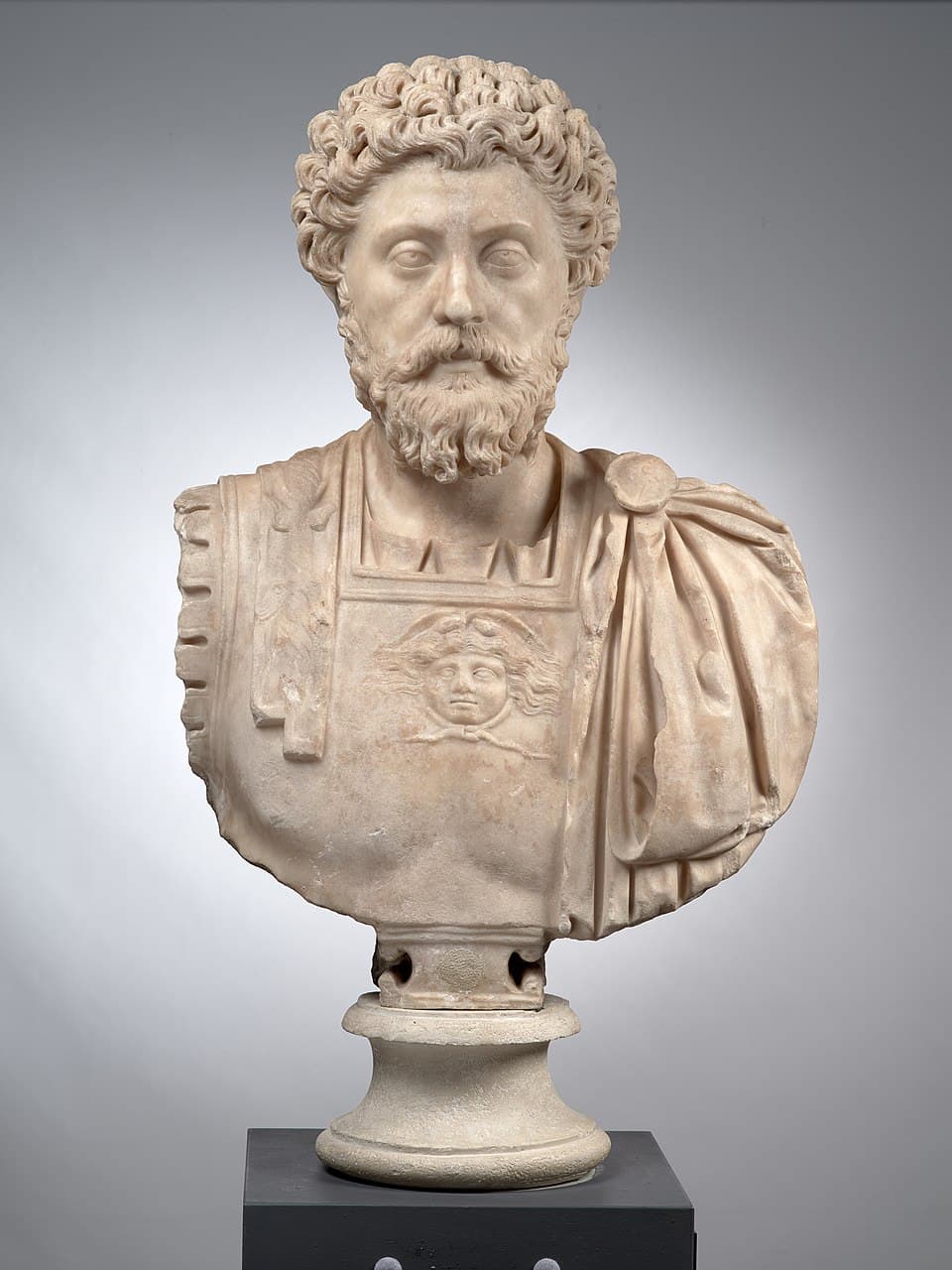
Marcus Aurelius
Meditations...l of the same nature, and all joint workers with the universe itself as in one of our bodies so many members among themselves. How many such as Chrysippus, how many such as Socrates, how many such as Epictetus, hath the age of the world long since swallowed up and devoured? Let this, be it either men or businesses, that thou hast occasion to think of, to the end that thy thoughts be not distracted and thy mind too earnestly set upon anything, upon every such occasion presently come to thy mind.
Of all my thoughts and cares, one only thing shall be the object, that I myself do nothing which to the proper constitution of man, (either in regard of the thing itself, or in regard of the manner, or of the time of doing,) is contrary. The time when thou shalt have forgotten all things, is at hand. And that time also is at hand, when thou thyself shalt be forgotten by all. Whilst thou art, apply thyself to that especially which unto man as he is a mart, is most proper and agreeable, and that is, for a man even to love them that transgress against him.
This shall be, if at the same time that any such thing doth happen, thou call to mind, that they are thy kinsmen; that it is through ignorance and against their wills that they sin; and that within a very short while after, both thou and he shall be no more. But above all things, that he hath not done thee any hurt; for that by him thy mind and understanding is not made worse or more vile than it was before. XVII. The nature of the universe, of the common substance of all things as it were of...
2
⚖The View from Above

Marcus Aurelius
MeditationsA vision of the world from a high perspective, highlighting the insignificance of fame and honor in the face of the vastness of time and the constant flux of human affairs.
...vish minds, that groan privately, and yet would make a show of obedience to reason, and truth? Go too now and tell me of Alexander and Philippus, and Demetrius Phalereus. Whether they understood what the common nature requireth, and could rule themselves or no, they know best themselves. But if they kept a life, and swaggered; I (God be thanked) am not bound to imitate them. The effect of true philosophy is, unaffected simplicity and modesty. Persuade me not to ostentation and vainglory. XXIX.
From some high place as it were to look down, and to behold here flocks, and there sacrifices, without number; and all kind of navigation; some in a rough and stormy sea, and some in a calm: the general differences, or different estates of things, some, that are now first upon being; the several and mutual relations of those things that are together; and some other things that are at their last. Their lives also, who were long ago, and theirs who shall be hereafter, and the present estate and life of those many nations of barbarians that are now in the world, thou must likewise consider in thy mind. And how many there be, who never so much as…
The sum then of all; whatsoever doth happen unto thee, whereof God is the cause, to accept it contentedly: whatsoever thou doest, whereof thou thyself art the cause, to do it justly: which will be, if both in thy resolution and in thy action thou have no further end, than to do good unto others, as being that, which by thy natural constitution, as a man, thou art bound unto. XXX. Many of those things that trouble and straiten thee, it is in thy power to cut off, as wholly depending from mere c...
Continue reading →
1
⚖The Threefold Readiness

Marcus Aurelius
MeditationsA prescription for maintaining readiness by ensuring one's actions are just, recognizing the providential nature of external events, and contemplating the transience of all earthly things.
...nerally, as it is both expedient and seasonable to the whole, that in that respect it must needs be good. It is that also, which is brought unto us by the order and appointment of the Divine Providence; so that he whose will and mind in these things runs along with the Divine ordinance, and by this concurrence of his will and mind with the Divine Providence, is led and driven along, as it were by God Himself; may truly be termed and esteemed the θεοφόρητος, or divinely led and inspired. XVIII.
These three things thou must have always in a readiness: first concerning thine own actions, whether thou doest nothing either idly, or otherwise, than justice and equity do require: and concerning those things that happen unto thee externally, that either they happen unto thee by chance, or by providence; of which two to accuse either, is equally against reason. Secondly, what like unto our bodies are whilest yet rude and imperfect, until they be animated: and from their animation, until their expiration: of what things they are compounded, and into what things they shall be dissolved. Thirdly, how vain all things will appear unto thee when,…
And that as often as thou shalt behold them, thou shalt still see the same: as the same things, so the same shortness of continuance of all those things. And, behold, these be the things that we are so proud and puffed up for. XIX. Cast away from thee opinion, and thou art safe. And what is it that hinders thee from casting of it away? When thou art grieved at anything, hast thou forgotten that all things happen according to the nature of the universe; and that him only it concerns, who is in...
Continue reading →
2
⚖Vanish Into Common Substance

Marcus Aurelius
MeditationsA vision of death as a return to the original rational substance of the universe, likening individual lives to pieces of incense consumed on a single altar.
...esent shall be able to rectify thee or to turn thee from some erroneous persuasion, that thou be always ready to change thy mind, and this change to proceed, not from any respect of any pleasure or credit thereon depending, but always from some probable apparent ground of justice, or of some public good thereby to be furthered; or from some other such inducement. XI. Hast thou reason? I have. Why then makest thou not use of it? For if thy reason do her part, what more canst thou require? XII.
As a part hitherto thou hast had a particular subsistence: and now shalt thou vanish away into the common substance of Him, who first begot thee, or rather thou shalt be resumed again into that original rational substance, out of which all others have issued, and are propagated. Many small pieces of frankincense are set upon the same altar, one drops first and is consumed, another after; and it comes all to one.
XIII. Within ten days, if so happen, thou shalt be esteemed a god of them, who now if thou shalt return to the dogmata and to the honouring of reason, will esteem of thee no better than of a mere brute, and of an ape. XIV. Not as though thou hadst thousands of years to live. Death hangs over thee: whilst yet thou livest, whilst thou mayest, be good. XV. Now much time and leisure doth he gain, who is not curious to know what his neighbour hath said, or hath done, or hath attempted, but only w...
2
⚖Vanishing into the Whole

Marcus Aurelius
MeditationsThe author posits that all material and formal elements, as well as fame and memory, are inevitably absorbed back into the universal substance and reason of the whole.
...hey all concur together to the making of one and the same κόσμος or world: as if you said, a comely piece, or an orderly composition. For all things throughout, there is but one and the same order; and through all things, one and the same God, the same substance and the same law. There is one common reason, and one common truth, that belongs unto all reasonable creatures, for neither is there save one perfection of all creatures that are of the same kind, and partakers of the same reason. VII.
Whatsoever is material, doth soon vanish away into the common substance of the whole; and whatsoever is formal, or, whatsoever doth animate that which is material, is soon resumed into the common reason of the whole; and the fame and memory of anything, is soon swallowed up by the general age and duration of the whole.
VIII. To a reasonable creature, the same action is both according to nature, and according to reason. IX. Straight of itself, not made straight. X. As several members in one body united, so are reasonable creatures in a body divided and dispersed, all made and prepared for one common operation. And this thou shalt apprehend the better, if thou shalt use thyself often to say to thyself, I am μέλος, or a member of the mass and body of reasonable substances. But if thou shalt say I am μέρος, or...
4