Ignorance of Self
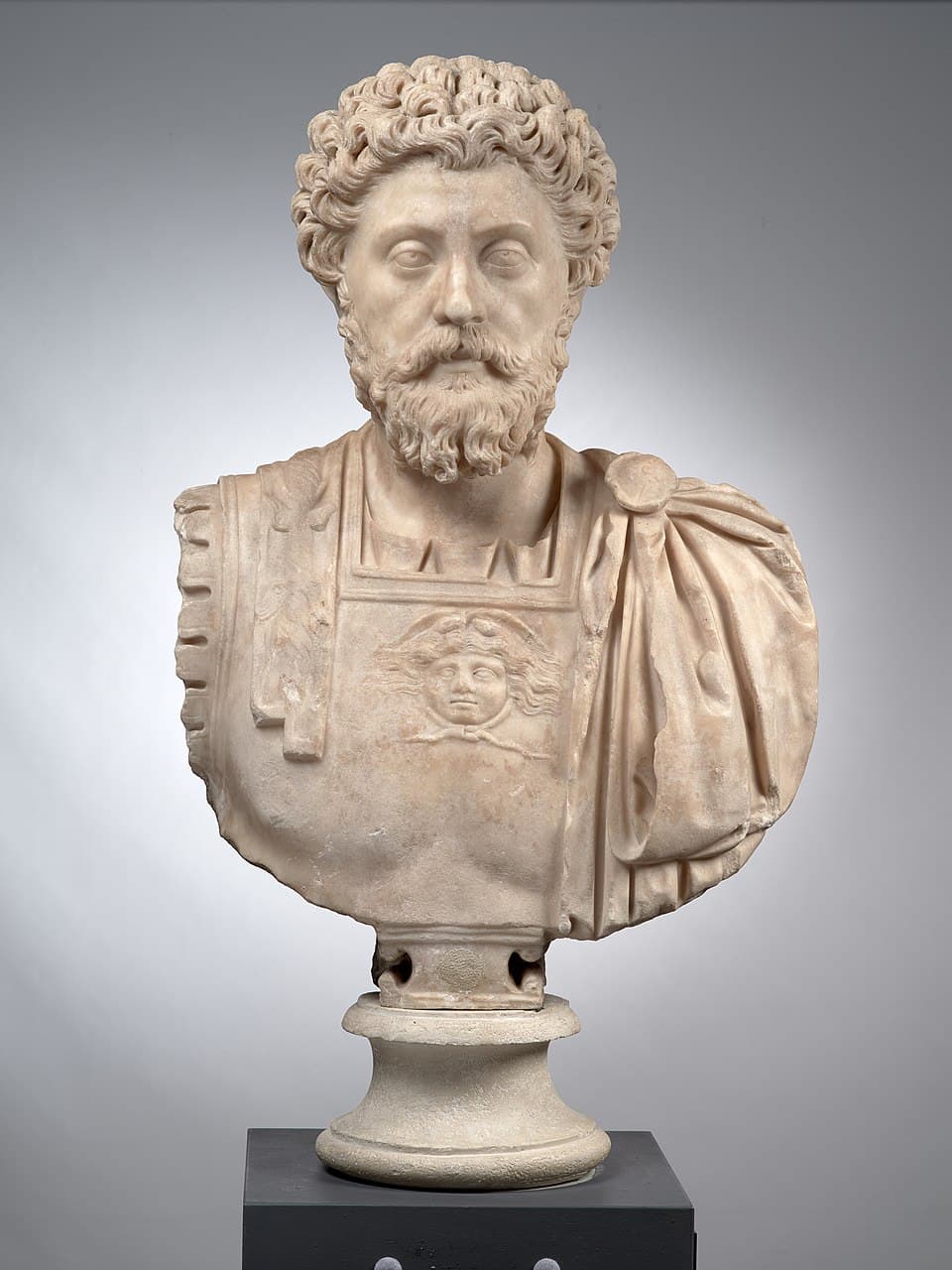
Marcus Aurelius
MeditationsThe author argues that ignorance of the world's nature leads to ignorance of one's own purpose, making the pursuit of human applause futile. He questions why anyone would seek the approval of men who do not even approve of themselves.
...fountain of sweet and clear water, though she be cursed by some stander by, yet do her springs nevertheless still run as sweet and clear as before; yea though either dirt or dung be thrown in, yet is it no sooner thrown, than dispersed, and she cleared. She cannot be dyed or infected by it. What then must I do, that I may have within myself an overflowing fountain, and not a well? Beget thyself by continual pains and endeavours to true liberty with charity, and true simplicity and modesty. LI.
He that knoweth not what the world is, knoweth not where he himself is. And he that knoweth not what the world was made for, cannot possibly know either what are the qualities, or what is the nature of the world. Now he that in either of these is to seek, for what he himself was made is ignorant also. What then dost thou think of that man, who proposeth unto himself, as a matter of great moment, the noise and applause of men, who both where they are, and what they are themselves, are altogether ignorant? Dost thou desire to be commended of that man, who thrice in one hour perchance, doth himself curse himself? Dost thou desire to please him,…
LII. Not only now henceforth to have a common breath, or to hold correspondency of breath, with that air, that compasseth us about; but to have a common mind, or to hold correspondency of mind also with that rational substance, which compasseth all things. For, that also is of itself, and of its own nature (if a man can but draw it in as he should) everywhere diffused; and passeth through all things, no less than the air doth, if a man can but suck it in. LIII. Wickedness in general doth not...
Continue reading →
6