The Universe's Co-option
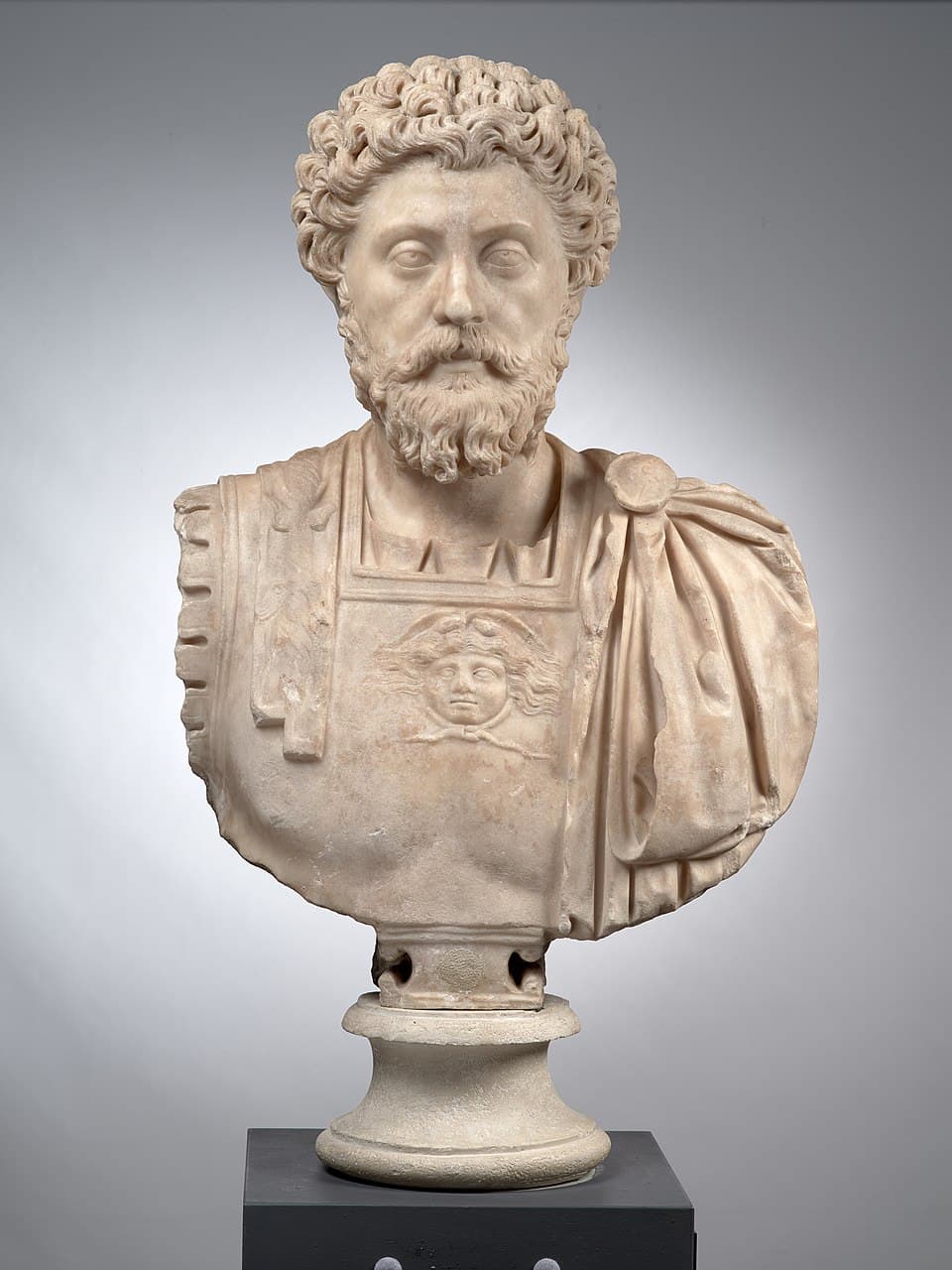
Marcus Aurelius
Meditations

The author posits that just as the universe redirects opposition to serve its own ends, a rational being can use every obstacle as an opportunity to further their own natural purpose. This perspective transforms impediments into the very material for achieving happiness and virtue.

...t, that once separated and cut off, it might be reunited, and come together again. But, behold, that GOODNESS how great and immense it is! which hath so much esteemed MAN. As at first he was so made, that he needed not, except he would himself, have divided himself from the whole; so once divided and cut off, IT hath so provided and ordered it, that if he would himself, he might return, and grow together again, and be admitted into its former rank and place of a part, as he was before. XXXIII.
As almost all her other faculties and properties the nature of the universe hath imparted unto every reasonable creature, so this in particular we have received from her, that as whatsoever doth oppose itself unto her, and doth withstand her in her purposes and intentions, she doth, though against its will and intention, bring it about to herself, to serve herself of it in the execution of her own destinated ends; and so by this though not intended co-operation of it with herself makes it part of herself whether it will or no. So may every reasonable creature, what crosses and impediments soever it meets with in the course of this mortal…
XXXIV. Let not the general representation unto thyself of the wretchedness of this our mortal life, trouble thee. Let not thy mind wander up and down, and heap together in her thoughts the many troubles and grievous calamities which thou art as subject unto as any other. But as everything in particular doth happen, put this question unto thyself, and say: What is it that in this present matter, seems unto thee so intolerable? For thou wilt be ashamed to confess it. Then upon this presently cal...
Continue reading →
4
Wrestler's Resilience
Marcus Aurelius
Meditations

Life is compared to wrestling rather than dancing, emphasizing the need for a firm and ready stance to withstand unexpected challenges without being overthown.

...od. Such a fountain, where springing waters can never fail, so thou dig still deeper and deeper. XXXII. Thou must use thyself also to keep thy body fixed and steady; free from all loose fluctuant either motion, or posture. And as upon thy face and looks, thy mind hath easily power over them to keep them to that which is grave and decent; so let it challenge the same power over the whole body also. But so observe all things in this kind, as that it be without any manner of affectation. XXXIII.
The art of true living in this world is more like a wrestler's, than a dancer's practice. For in this they both agree, to teach a man whatsoever falls upon him, that he may be ready for it, and that nothing may cast him down.
XXXIV. Thou must continually ponder and consider with thyself, what manner of men they be, and for their minds and understandings what is their present estate, whose good word and testimony thou dost desire. For then neither wilt thou see cause to complain of them that offend against their wills; or find any want of their applause, if once thou dost but penetrate into the true force and ground both of their opinions, and of their desires. 'No soul (saith he) is willingly bereft of the truth,'...
2
Return to Right Dogmata
Marcus Aurelius
Meditations

The author encourages persistence in the philosophical life, advising that one should not be disheartened by failures but should always return to the pursuit of right principles.

...continuance of Him, that is the Administrator of the whole, doth in a manner depend on it. For the whole (because whole, therefore entire and perfect) is maimed, and mutilated, if thou shalt cut off anything at all, whereby the coherence, and contiguity as of parts, so of causes, is maintained and preserved. Of which certain it is, that thou doest (as much as lieth in thee) cut off, and in some sort violently take somewhat away, as often as thou art displeased with anything that happeneth. IX.
Be not discontented, be not disheartened, be not out of hope, if often it succeed not so well with thee punctually and precisely to do all things according to the right dogmata, but being once cast off, return unto them again: and as for those many and more frequent occurrences, either of worldly distractions, or human infirmities, which as a man thou canst not but in some measure be subject unto, be not thou discontented with them; but however, love and affect that only which thou dust return unto: a philosopher's life, and proper occupation after the most exact manner.
And when thou dust return to thy philosophy, return not unto it as the manner of some is, after play and liberty as it were, to their schoolmasters and pedagogues; but as they that have sore eyes to their sponge and egg: or as another to his cataplasm; or as others to their fomentations: so shalt not thou make it a matter of ostentation at all to obey reason but of ease and comfort. And remember that philosophy requireth nothing of thee, but what thy nature requireth, and wouldest thou thyself...
2
God's Censure vs Soul
Marcus Aurelius
Meditations

A comparison of Christian and Roman Stoic magnanimity, both of which advocate for enduring injustice with patience by appealing to a higher internal or divine judgment rather than public praise.

...istian aims at a more passive mood, humbleness and meekness, and reliance on the presence and personal friendship of God. The Roman scrutinises his faults with severity, but without the self-contempt which makes the Christian 'vile in his own sight.' The Christian, like the Roman, bids 'study to withdraw thine heart from the love of things visible'; but it is not the busy life of duty he has in mind so much as the contempt of all worldly things, and the 'cutting away of all lower delectations.'
Both rate men's praise or blame at their real worthlessness; 'Let not thy peace,' says the Christian, 'be in the mouths of men.' But it is to God's censure the Christian appeals, the Roman to his own soul. The petty annoyances of injustice or unkindness are looked on by each with the same magnanimity. 'Why doth a little thing said or done against thee make thee sorry? It is no new thing; it is not the first, nor shall it be the last, if thou live long. At best suffer patiently, if thou canst not suffer joyously.'
The Christian should sorrow more for other men's malice than for our own wrongs; but the Roman is inclined to wash his hands of the offender. 'Study to be patient in suffering and bearing other men's defaults and all manner infirmities,' says the Christian; but the Roman would never have thought to add, 'If all men were perfect, what had we then to suffer of other men for God?' The virtue of suffering in itself is an idea which does not meet us in the Meditations. Both alike realise that man...
5
The Unshaken Promontory
Marcus Aurelius
Meditations

The author uses the metaphor of a rocky promontory to describe the ideal person who remains steadfast and calms the turbulent waves of circumstance.

...for a day: and for their worth, most vile, and contemptible, as for example, What is man? That which but the other day when he was conceived was vile snivel; and within few days shall be either an embalmed carcass, or mere ashes. Thus must thou according to truth and nature, throughly consider how man's life is but for a very moment of time, and so depart meek and contented: even as if a ripe olive falling should praise the ground that bare her, and give thanks to the tree that begat her. XL.
Thou must be like a promontory of the sea, against which though the waves beat continually, yet it both itself stands, and about it are those swelling waves stilled and quieted.
XLI. Oh, wretched I, to whom this mischance is happened! nay, happy I, to whom this thing being happened, I can continue without grief; neither wounded by that which is present, nor in fear of that which is to come. For as for this, it might have happened unto any man, but any man having such a thing befallen him, could not have continued without grief. Why then should that rather be an unhappiness, than this a happiness? But however, canst thou, O man! term that unhappiness, which is no misch...
2