Reason's Safe Harbor
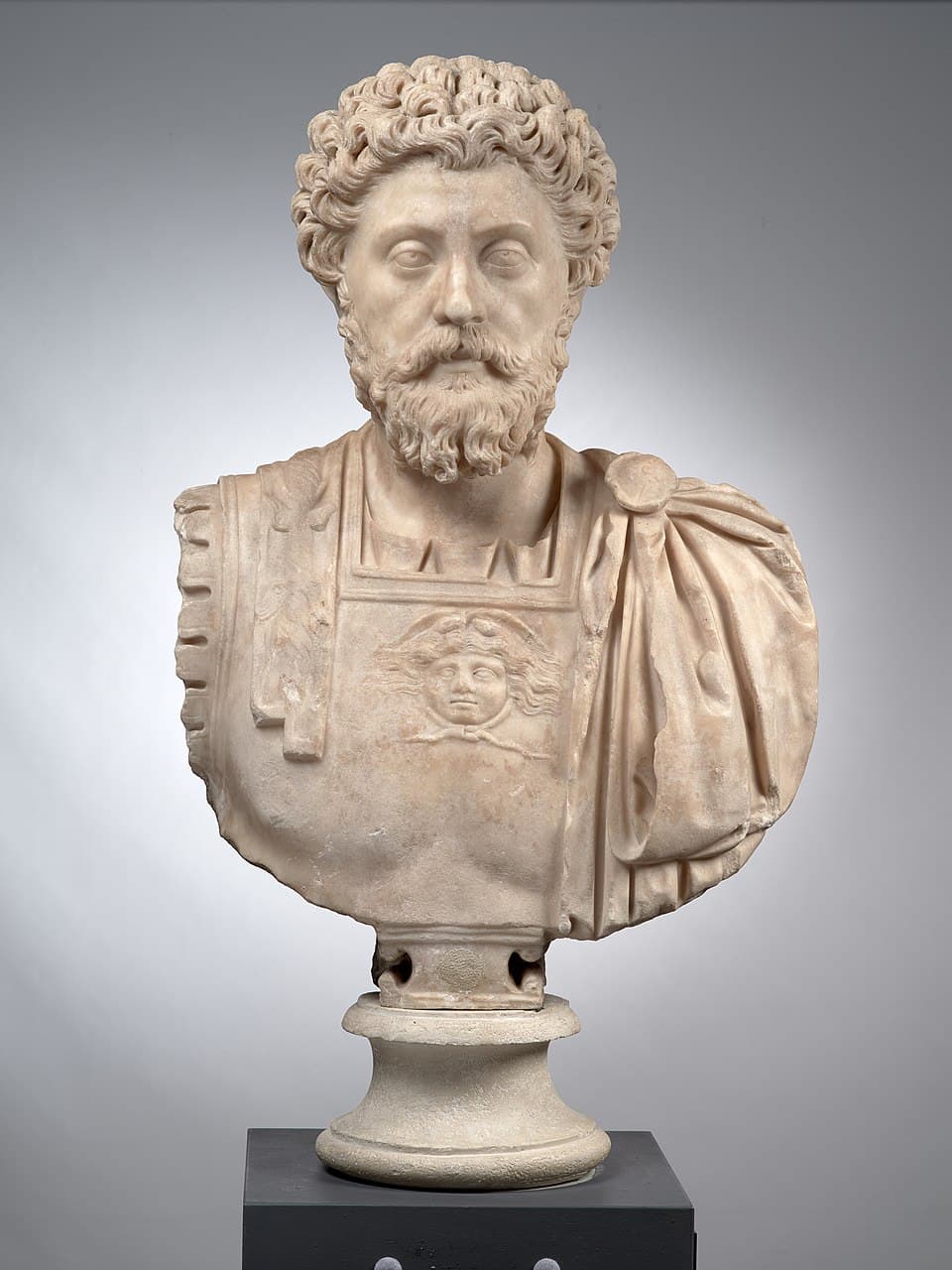
Marcus Aurelius
Meditations

The author argues that by withdrawing subjective opinions about harm, the rational self remains safe and unaffected by external grief.

...e old in time, and then to die? And these once dead, what would become of these former? And when all is done, what is all this for, but for a mere bag of blood and corruption? XXXVI. If thou beest quick-sighted, be so in matter of judgment, and best discretion, saith he. XXXVII. In the whole constitution of man, I see not any virtue contrary to justice, whereby it may be resisted and opposed. But one whereby pleasure and voluptuousness may be resisted and opposed, I see: continence. XXXVIII.
If thou canst but withdraw conceit and opinion concerning that which may seem hurtful and offensive, thou thyself art as safe, as safe may be. Thou thyself? and who is that? Thy reason. 'Yea, but I am not reason.' Well, be it so. However, let not thy reason or understanding admit of grief, and if there be anything in thee that is grieved, let that, (whatsoever it be,) conceive its own grief, if it can.
XXXIX. That which is a hindrance of the senses, is an evil to the sensitive nature. That which is a hindrance of the appetitive and prosecutive faculty, is an evil to the sensitive nature. As of the sensitive, so of the vegetative constitution, whatsoever is a hindrance unto it, is also in that respect an evil unto the same. And so likewise, whatsoever is a hindrance unto the mind and understanding, must needs be the proper evil of the reasonable nature. Now apply all those things unto thyself...
2
Nature's Proper Course
Marcus Aurelius
Meditations

The author argues that a rational nature finds contentment by avoiding falsehood, seeking the common good, and embracing whatever fate the universe provides.

...f thee as thou art a man, be not diverted from what thou art about, and speak that which seemeth unto thee most just: only speak it kindly, modestly, and without hypocrisy. V. That which the nature of the universe doth busy herself about, is; that which is here, to transfer it thither, to change it, and thence again to take it away, and to carry it to another place. So that thou needest not fear any new thing. For all things are usual and ordinary; and all things are disposed by equality. VI.
Every particular nature hath content, when in its own proper course it speeds. A reasonable nature doth then speed, when first in matter of fancies and imaginations, it gives no consent to that which is either false uncertain. Secondly, when in all its motions and resolutions it takes its level at the common good only, and that it desireth nothing, and flieth from nothing, bet what is in its own power to compass or avoid. And lastly, when it willingly and gladly embraceth, whatsoever is dealt and appointed unto it by the common nature.
For it is part of it; even as the nature of any one leaf, is part of the common nature of all plants and trees. But that the nature of a leaf, is part of a nature both unreasonable and unsensible, and which in its proper end may be hindered; or, which is servile and slavish: whereas the nature of man is part of a common nature which cannot be hindered, and which is both reasonable and just. From whence also it is, that according to the worth of everything, she doth make such equal distribution...
4
The Two Rules
Marcus Aurelius
Meditations

The author outlines two rules for conduct: act only according to reason for the public good, and remain willing to change one's mind if presented with a more just perspective.

...were by way of equal distribution, according to the true worth of everything. Continue then to take notice of it, as thou hast begun, and whatsoever thou dost, do it not without this proviso, that it be a thing of that nature that a good man (as the word good is properly taken) may do it. This observe carefully in every action. IX. Conceit no such things, as he that wrongeth thee conceiveth, or would have thee to conceive, but look into the matter itself, and see what it is in very truth. X.
These two rules, thou must have always in a readiness. First, do nothing at all, but what reason proceeding from that regal and supreme part, shall for the good and benefit of men, suggest unto thee. And secondly, if any man that is present shall be able to rectify thee or to turn thee from some erroneous persuasion, that thou be always ready to change thy mind, and this change to proceed, not from any respect of any pleasure or credit thereon depending, but always from some probable apparent ground of justice, or of some public good thereby to be furthered; or from some other such inducement.
XI. Hast thou reason? I have. Why then makest thou not use of it? For if thy reason do her part, what more canst thou require? XII. As a part hitherto thou hast had a particular subsistence: and now shalt thou vanish away into the common substance of Him, who first begot thee, or rather thou shalt be resumed again into that original rational substance, out of which all others have issued, and are propagated. Many small pieces of frankincense are set upon the same altar, one drops first and is...
2
Part vs Whole
Marcus Aurelius
Meditations

The author reasons that whether the world is governed by rational providence or Epicurean atoms, there is no logical basis for a person to complain or be troubled by the nature of existence.

...hing happen unto thee? What doest thou so wonder at? At the cause, or the matter? Behold either by itself, is either of that weight and moment indeed? And besides these, there is not anything. But thy duty towards the Gods also, it is time thou shouldst acquit thyself of it with more goodness and simplicity. XXXVI. It is all one to see these things for a hundred of years together or but for three years. XXXVII. If he have sinned, his is the harm, not mine. But perchance he hath not. XXXVIII.
Either all things by the providence of reason happen unto every particular, as a part of one general body; and then it is against reason that a part should complain of anything that happens for the good of the whole; or if, according to Epicurus, atoms be the cause of all things and that life be nothing else but an accidentary confusion of things, and death nothing else, but a mere dispersion and so of all other things: what doest thou trouble thyself for?
XXXIX. Sayest thou unto that rational part, Thou art dead; corruption hath taken hold on thee? Doth it then also void excrements? Doth it like either oxen, or sheep, graze or feed; that it also should be mortal, as well as the body? XL. Either the Gods can do nothing for us at all, or they can still and allay all the distractions and distempers of thy mind. If they can do nothing, why doest thou pray? If they can, why wouldst not thou rather pray, that they will grant unto thee, that thou may...
2
Look Forwards, Not About
Marcus Aurelius
Meditations

A prescription to focus on one's own nature and the nature of the universe rather than the minds of others, acting in accordance with one's rational constitution.

...roper constitution of man may be reaped and obtained, or is sure and certain, it is against reason that any damage should there be suspected. In all places, and at all times, it is in thy power religiously to embrace whatsoever by God's appointment is happened unto thee, and justly to converse with those men, whom thou hast to do with, and accurately to examine every fancy that presents itself, that nothing may slip and steal in, before thou hast rightly apprehended the true nature of it. XXX.
Look not about upon other men's minds and understandings; but look right on forwards whither nature, both that of the universe, in those things that happen unto thee; and thine in particular, in those things that are done by thee: doth lead, and direct thee. Now every one is bound to do that, which is consequent and agreeable to that end which by his true natural constitution he was ordained unto. As for all other things, they are ordained for the use of reasonable creatures: as in all things we see that that which is worse and inferior, is made for that which is better.
Reasonable creatures, they are ordained one for another. That therefore which is chief in every man's constitution, is, that he intend the common good. The second is, that he yield not to any lusts and motions of the flesh. For it is the part and privilege of the reasonable and intellective faculty, that she can so bound herself, as that neither the sensitive, nor the appetitive faculties, may not anyways prevail upon her. For both these are brutish. And therefore over both she challengeth mast...
2