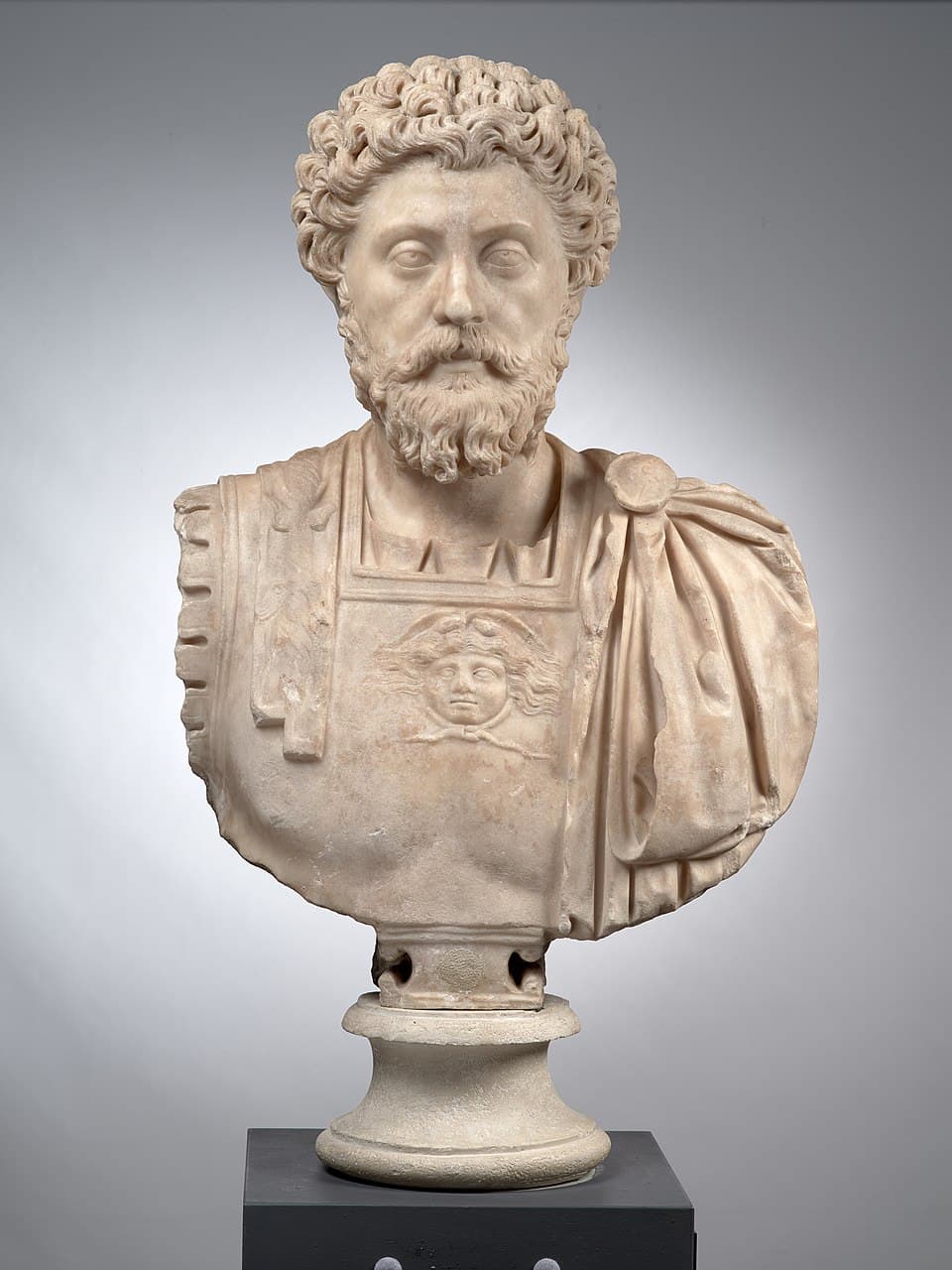
An exhortation to ignore the biased perceptions of those who do wrong and instead seek the objective truth of every matter.
See the Truth
Marcus Aurelius
Meditations...ly, and so if thou dost well take heed, thou shalt find it. I say not only in right order by a series of inevitable consequences, but according to justice and as it were by way of equal distribution, according to the true worth of everything. Continue then to take notice of it, as thou hast begun, and whatsoever thou dost, do it not without this proviso, that it be a thing of that nature that a good man (as the word good is properly taken) may do it. This observe carefully in every action. IX.
Conceit no such things, as he that wrongeth thee conceiveth, or would have thee to conceive, but look into the matter itself, and see what it is in very truth.
X. These two rules, thou must have always in a readiness. First, do nothing at all, but what reason proceeding from that regal and supreme part, shall for the good and benefit of men, suggest unto thee. And secondly, if any man that is present shall be able to rectify thee or to turn thee from some erroneous persuasion, that thou be always ready to change thy mind, and this change to proceed, not from any respect of any pleasure or credit thereon depending, but always from some probable appare...
2
⚖The Soul's Inner Power

Marcus Aurelius
MeditationsA thesis stating that happiness is an internal power achieved by maintaining indifference toward external things and controlling the opinions we form about them.
...d, that is truly simple and good, as he whose arm-holes are offensive, that whosoever stands by, as soon as ever he comes near him, may as it were smell him whether he will or no. But the affectation of simplicity is nowise laudable. There is nothing more shameful than perfidious friendship. Above all things, that must be avoided. However true goodness, simplicity, and kindness cannot so be hidden, but that as we have already said in the very eyes and countenance they will show themselves. XV.
To live happily is an inward power of the soul, when she is affected with indifferency, towards those things that are by their nature indifferent. To be thus affected she must consider all worldly objects both divided and whole: remembering withal that no object can of itself beget any opinion in us, neither can come to us, but stands without still and quiet; but that we ourselves beget, and as it were print in ourselves opinions concerning them. Now it is in our power, not to print them; and if they creep in and lurk in some corner, it is in our power to wipe them off.
Remembering moreover, that this care and circumspection of thine, is to continue but for a while, and then thy life will be at an end. And what should hinder, but that thou mayest do well with all these things? For if they be according to nature, rejoice in them, and let them be pleasing and acceptable unto thee. But if they be against nature, seek thou that which is according to thine own nature, and whether it be for thy credit or no, use all possible speed for the attainment of it: for no ma...
5
⚖Delusion's Bare Reality

Marcus Aurelius
MeditationsThe author prescribes a method of 'objective representation' to strip away the allure of luxury and physical desires by viewing them as their base, biological, or material components.
...e recourse unto it, and to begin again. X. If it were that thou hadst at one time both a stepmother, and a natural mother living, thou wouldst honour and respect her also; nevertheless to thine own natural mother would thy refuge, and recourse be continually. So let the court and thy philosophy be unto thee. Have recourse unto it often, and comfort thyself in her, by whom it is that those other things are made tolerable unto thee, and thou also in those things not intolerable unto others. XI.
How marvellous useful it is for a man to represent unto himself meats, and all such things that are for the mouth, under a right apprehension and imagination! as for example: This is the carcass of a fish; this of a bird; and this of a hog. And again more generally; This phalernum, this excellent highly commended wine, is but the bare juice of an ordinary grape. This purple robe, but sheep's hairs, dyed with the blood of a shellfish. So for coitus, it is but the attrition of an ordinary base entrail, and the excretion of a little vile snivel, with a certain kind of convulsion: according to Hippocrates his opinion.
How excellent useful are these lively fancies and representations of things, thus penetrating and passing through the objects, to make their true nature known and apparent! This must thou use all thy life long, and upon all occasions: and then especially, when matters are apprehended as of great worth and respect, thy art and care must be to uncover them, and to behold their vileness, and to take away from them all those serious circumstances and expressions, under which they made so grave a sh...
4
⚖Living Again Now

Marcus Aurelius
MeditationsThe author suggests that the power to 'live again' is accessible in the present by choosing to see the world with renewed perspective and clarity.
...lative fancies, and representations of things on which they mutually depend (which continually to stir up and revive is in thy power,) are still kept fresh and alive? It is in my power concerning this thing that is happened, what soever it be, to conceit that which is right and true. If it be, why then am I troubled? Those things that are without my understanding, are nothing to it at all: and that is it only, which doth properly concern me. Be always in this mind, and thou wilt be right. III.
That which most men would think themselves most happy for, and would prefer before all things, if the Gods would grant it unto them after their deaths, thou mayst whilst thou livest grant unto thyself; to live again. See the things of the world again, as thou hast already seen them. For what is it else to live again?
Public shows and solemnities with much pomp and vanity, stage plays, flocks and herds; conflicts and contentions: a bone thrown to a company of hungry curs; a bait for greedy fishes; the painfulness, and continual burden-bearing of wretched ants, the running to and fro of terrified mice: little puppets drawn up and down with wires and nerves: these be the objects of the world among all these thou must stand steadfast, meekly affected, and free from all manner of indignation; with this right rat...
2
⚖The Tedium of Sameness

Marcus Aurelius
MeditationsThe author posits that life's events are repetitive and driven by the same underlying causes, suggesting that worldly spectacles eventually become tedious to the rational mind.
...hatsoever in any kind doth happen to any one, is expedient to the whole. And thus much to content us might suffice, that it is expedient for the whole in general. But yet this also shalt thou generally perceive, if thou dost diligently take heed, that whatsoever doth happen to any one man or men.... And now I am content that the word expedient, should more generally be understood of those things which we otherwise call middle things, or things indifferent; as health, wealth, and the like. XLI.
As the ordinary shows of the theatre and of other such places, when thou art presented with them, affect thee; as the same things still seen, and in the same fashion, make the sight ingrateful and tedious; so must all the things that we see all our life long affect us. For all things, above and below, are still the same, and from the same causes. When then will there be an end?
XLII. Let the several deaths of men of all sorts, and of all sorts of professions, and of all sort of nations, be a perpetual object of thy thoughts,... so that thou mayst even come down to Philistio, Phœbus, and Origanion. Pass now to other generations. Thither shall we after many changes, where so many brave orators are; where so many grave philosophers; Heraclitus, Pythagoras, Socrates. Where so many heroes of the old times; and then so many brave captains of the latter times; and so many k...
3