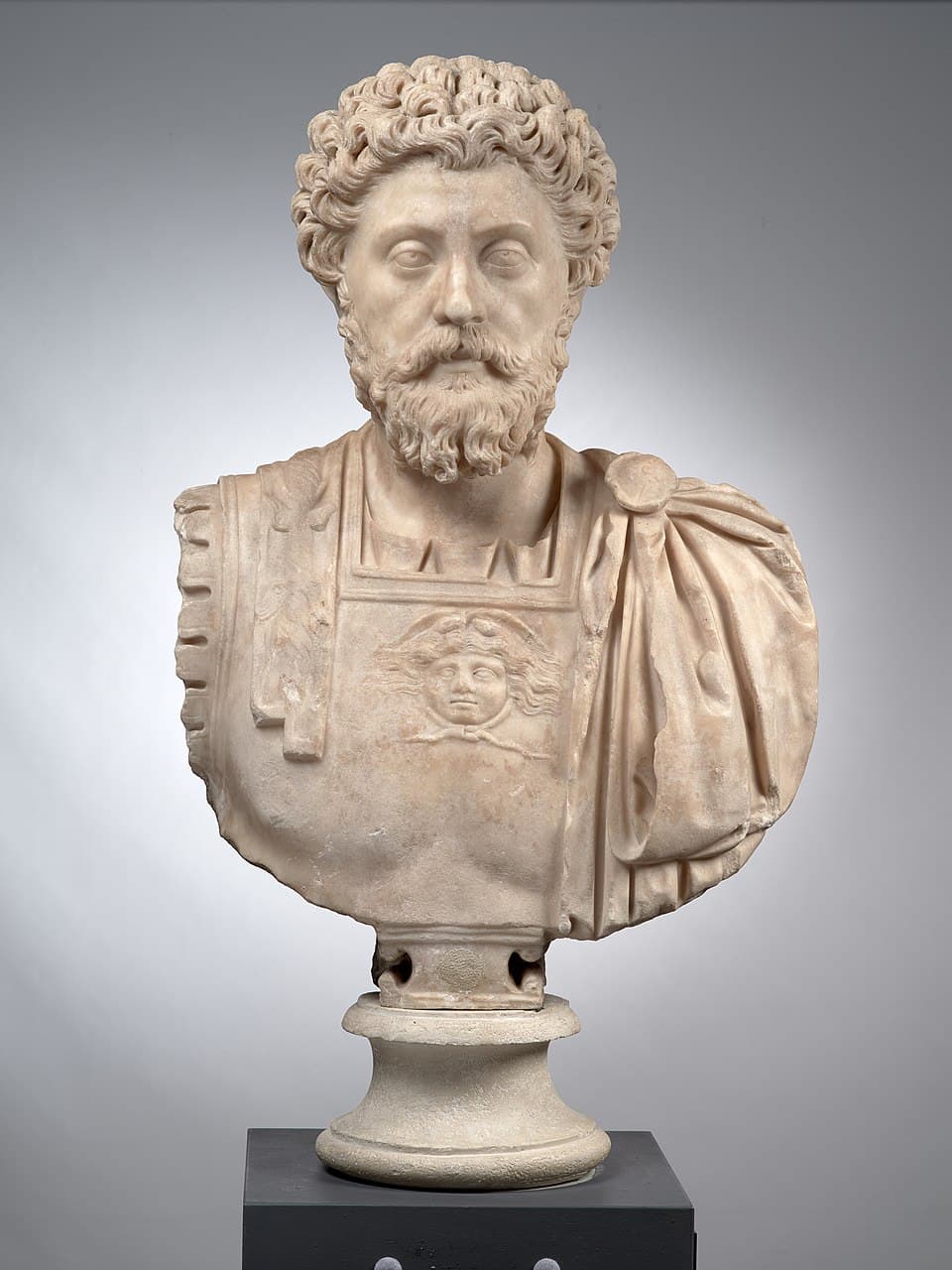
The Just Universe
Marcus Aurelius
Meditations

The author posits that everything in the world happens according to a just and rational distribution, urging the reader to ensure every action aligns with the character of a good man.

...le, both thou and he shall both be dead, and after a little while more, not so much as your names and memories shall be remaining. VII. Let opinion be taken away, and no man will think himself wronged. If no man shall think himself wronged, then is there no more any such thing as wrong. That which makes not man himself the worse, cannot make his life the worse, neither can it hurt him either inwardly or outwardly. It was expedient in nature that it should be so, and therefore necessary. VIII.
Whatsoever doth happen in the world, doth happen justly, and so if thou dost well take heed, thou shalt find it. I say not only in right order by a series of inevitable consequences, but according to justice and as it were by way of equal distribution, according to the true worth of everything. Continue then to take notice of it, as thou hast begun, and whatsoever thou dost, do it not without this proviso, that it be a thing of that nature that a good man (as the word good is properly taken) may do it. This observe carefully in every action.
IX. Conceit no such things, as he that wrongeth thee conceiveth, or would have thee to conceive, but look into the matter itself, and see what it is in very truth. X. These two rules, thou must have always in a readiness. First, do nothing at all, but what reason proceeding from that regal and supreme part, shall for the good and benefit of men, suggest unto thee. And secondly, if any man that is present shall be able to rectify thee or to turn thee from some erroneous persuasion, that thou b...
3
The Two Rules
Marcus Aurelius
Meditations

The author outlines two rules for conduct: act only according to reason for the public good, and remain willing to change one's mind if presented with a more just perspective.

...were by way of equal distribution, according to the true worth of everything. Continue then to take notice of it, as thou hast begun, and whatsoever thou dost, do it not without this proviso, that it be a thing of that nature that a good man (as the word good is properly taken) may do it. This observe carefully in every action. IX. Conceit no such things, as he that wrongeth thee conceiveth, or would have thee to conceive, but look into the matter itself, and see what it is in very truth. X.
These two rules, thou must have always in a readiness. First, do nothing at all, but what reason proceeding from that regal and supreme part, shall for the good and benefit of men, suggest unto thee. And secondly, if any man that is present shall be able to rectify thee or to turn thee from some erroneous persuasion, that thou be always ready to change thy mind, and this change to proceed, not from any respect of any pleasure or credit thereon depending, but always from some probable apparent ground of justice, or of some public good thereby to be furthered; or from some other such inducement.
XI. Hast thou reason? I have. Why then makest thou not use of it? For if thy reason do her part, what more canst thou require? XII. As a part hitherto thou hast had a particular subsistence: and now shalt thou vanish away into the common substance of Him, who first begot thee, or rather thou shalt be resumed again into that original rational substance, out of which all others have issued, and are propagated. Many small pieces of frankincense are set upon the same altar, one drops first and is...
2
Justice's Unopposed Reign
Marcus Aurelius
Meditations

A comparison of human virtues, noting that while justice has no natural opposite in our constitution, continence serves as the necessary check against pleasure.

...nus? O foolery! For what if they did, would their masters be sensible of It? or if sensible, would they be glad of it? or if glad, were these immortal? Was not it appointed unto them also (both men and women,) to become old in time, and then to die? And these once dead, what would become of these former? And when all is done, what is all this for, but for a mere bag of blood and corruption? XXXVI. If thou beest quick-sighted, be so in matter of judgment, and best discretion, saith he. XXXVII.
In the whole constitution of man, I see not any virtue contrary to justice, whereby it may be resisted and opposed. But one whereby pleasure and voluptuousness may be resisted and opposed, I see: continence.
XXXVIII. If thou canst but withdraw conceit and opinion concerning that which may seem hurtful and offensive, thou thyself art as safe, as safe may be. Thou thyself? and who is that? Thy reason. 'Yea, but I am not reason.' Well, be it so. However, let not thy reason or understanding admit of grief, and if there be anything in thee that is grieved, let that, (whatsoever it be,) conceive its own grief, if it can. XXXIX. That which is a hindrance of the senses, is an evil to the sensitive nature...
6
The Detached Soul
Marcus Aurelius
Meditations

A vision of a man who has detached himself from bodily concerns to live justly and in harmony with the common nature, indifferent to the opinions of others.

...oldiers and warlike men, if thou dost look into their minds and opinions, what do they for the most part but hunt after prey? XI. To find out, and set to thyself some certain way and method of contemplation, whereby thou mayest clearly discern and represent unto thyself, the mutual change of all things, the one into the other. Bear it in thy mind evermore, and see that thou be throughly well exercised in this particular. For there is not anything more effectual to beget true magnanimity. XII.
He hath got loose from the bonds of his body, and perceiving that within a very little while he must of necessity bid the world farewell, and leave all these things behind him, he wholly applied himself, as to righteousness in all his actions, so to the common nature in all things that should happen unto him. And contenting himself with these two things, to do all things justly, and whatsoever God doth send to like well of it: what others shall either say or think of him, or shall do against him, he doth not so much as trouble his thoughts with it.
To go on straight, whither right and reason directed him, and by so doing to follow God, was the only thing that he did mind, that, his only business and occupation. XIII. What use is there of suspicion at all? or, why should thoughts of mistrust, and suspicion concerning that which is future, trouble thy mind at all? What now is to be done, if thou mayest search and inquiry into that, what needs thou care for more? And if thou art well able to perceive it alone, let no man divert thee from it...
1
The Only True Care
Marcus Aurelius
Meditations

A reflection on the moral duty to prioritize the justice of one's actions over the fear of death or personal hazard.

...ion upon the things themselves that have fallen across unto thee. For as for them, they are not sensible of it, &c. Thou shalt but make thyself a laughing-stock; both unto the Gods and men, &c. Our life is reaped like a ripe ear of corn; one is yet standing and another is down, &c. But if so be that I and my children be neglected by the gods, there is some reason even for that, &c. As long as right and equity is of my side, &c. Not to lament with them, not to tremble, &c.' XXVI. Out of Plato.
'My answer, full of justice and equity, should be this: Thy speech is not right, O man! if thou supposest that he that is of any worth at all, should apprehend either life or death, as a matter of great hazard and danger; and should not make this rather his only care, to examine his own actions, whether just or unjust: whether actions of a good, or of a wicked man, &c. For thus in very truth stands the case, O ye men of Athens.
What place or station soever a man either hath chosen to himself, judging it best for himself; or is by lawful authority put and settled in, therein do I think (all appearance of danger notwithstanding) that he should continue, as one who feareth neither death, nor anything else, so much as he feareth to commit anything that is vicious and shameful, &c. But, O noble sir, consider I pray, whether true generosity and true happiness, do not consist in somewhat else rather, than in the preservation...
3