Awakening to Common Good
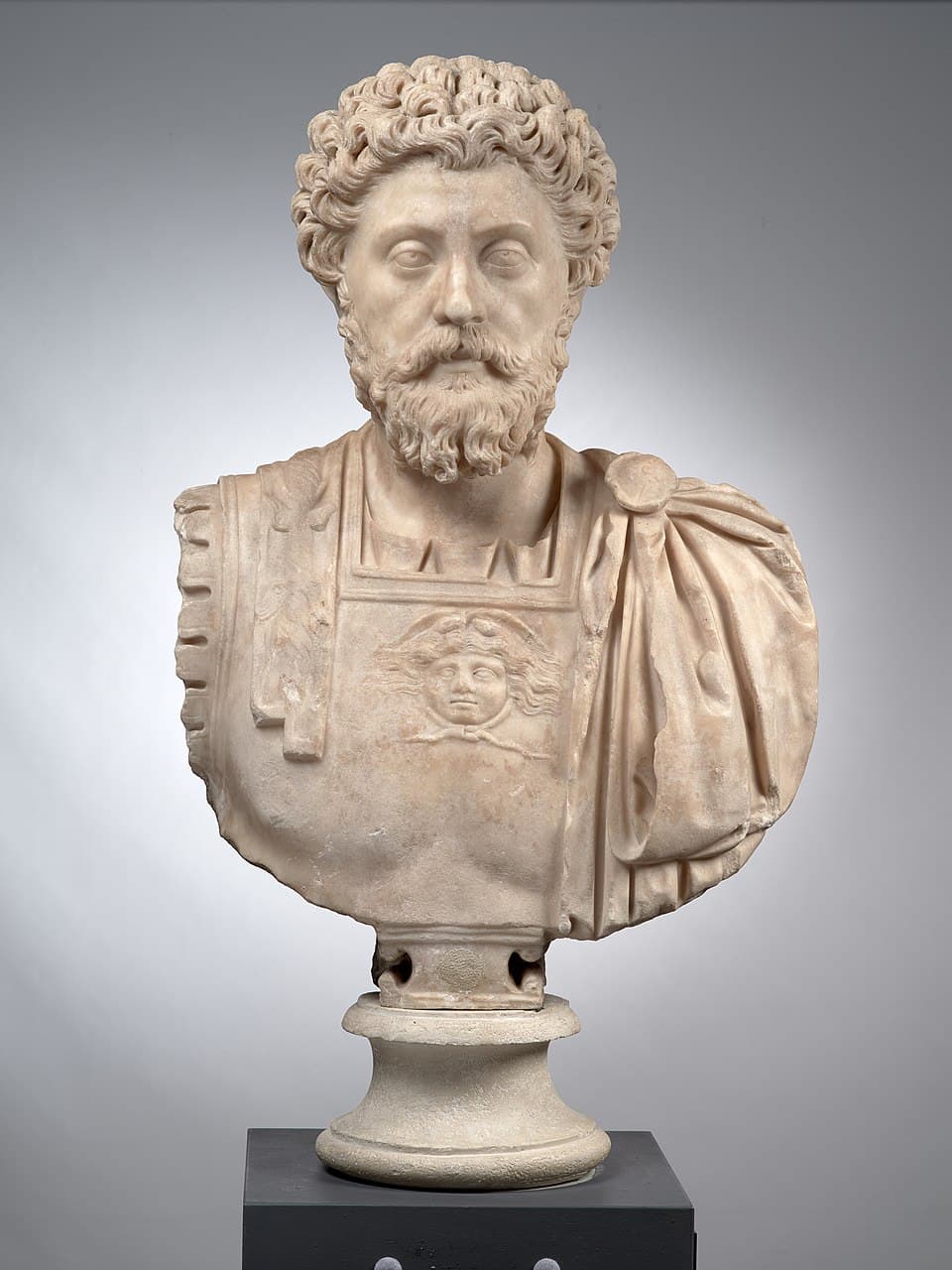
Marcus Aurelius
Meditations

A reminder that performing actions for the common good is the unique and proper duty of human nature, distinguishing man from irrational creatures.

...e reckoning of it accordingly. But never did any honest virtuous man repent of the neglect or omission of any carnal pleasure: no carnal pleasure then is either good or profitable. X. This, what is it in itself, and by itself, according to its proper constitution? What is the substance of it? What is the matter, or proper use? What is the form or efficient cause? What is it for in this world, and how long will it abide? Thus must thou examine all things, that present themselves unto thee. XI.
When thou art hard to be stirred up and awaked out of thy sleep, admonish thyself and call to mind, that, to perform actions tending to the common good is that which thine own proper constitution, and that which the nature of man do require. But to sleep, is common to unreasonable creatures also. And what more proper and natural, yea what more kind and pleasing, than that which is according to nature?
XII. As every fancy and imagination presents itself unto thee, consider (if it be possible) the true nature, and the proper qualities of it, and reason with thyself about it. XIII. At thy first encounter with any one, say presently to thyself: This man, what are his opinions concerning that which is good or evil? as concerning pain, pleasure, and the causes of both; concerning honour, and dishonour, concerning life and death? thus and thus. Now if it be no wonder that a man should have such a...
4
The Tyranny of Exception
Marcus Aurelius
Meditations

The author argues that it is irrational and tyrannical to expect a world without wicked men while refusing to endure personal transgressions from them.

...part of a man, but that to be meek and gentle, as it savours of more humanity, so of more manhood. That in this, there is strength and nerves, or vigour and fortitude: whereof anger and indignation is altogether void. For the nearer everything is unto unpassionateness, the nearer it is unto power. And as grief doth proceed from weakness, so doth anger. For both, both he that is angry and that grieveth, have received a wound, and cowardly have as it were yielded themselves unto their affections.
If thou wilt have a tenth also, receive this tenth gift from Hercules the guide and leader of the Muses: that is a mad man's part, to look that there should be no wicked men in the world, because it is impossible. Now for a man to brook well enough, that there should be wicked men in the world, but not to endure that any should transgress against himself, is against all equity, and indeed tyrannical.
XVII. Four several dispositions or inclinations there be of the mind and understanding, which to be aware of, thou must carefully observe: and whensoever thou doest discover them, thou must rectify them, saying to thyself concerning every one of them, This imagination is not necessary; this is uncharitable: this thou shalt speak as another man's slave, or instrument; than which nothing can be more senseless and absurd: for the fourth, thou shalt sharply check and upbraid thyself; for that thou...
3
Power to Do
Marcus Aurelius
Meditations

A prescription to find pleasure in acting according to one's true human nature, suggesting that fulfillment comes from doing what is right in every circumstance.

...truly simple, or sincere and open, or not good. Let him be deceived whosoever he be that shall have any such opinion of thee. For all this doth depend of thee. For who is it that should hinder thee from being either truly simple or good? Do thou only resolve rather not to live, than not to be such. For indeed neither doth it stand with reason that he should live that is not such. What then is it that may upon this present occasion according to best reason and discretion, either be said or done?
For whatsoever it be, it is in thy power either to do it, or to say it, and therefore seek not any pretences, as though thou wert hindered. Thou wilt never cease groaning and complaining, until such time as that, what pleasure is unto the voluptuous, be unto thee, to do in everything that presents itself, whatsoever may be done conformably and agreeably to the proper constitution of man, or, to man as he is a man. For thou must account that pleasure, whatsoever it be, that thou mayest do according to thine own nature. And to do this, every place will fit thee.
Unto the cylindrus, or roller, it is not granted to move everywhere according to its own proper motion, as neither unto the water, nor unto the fire, nor unto any other thing, that either is merely natural, or natural and sensitive; but not rational for many things there be that can hinder their operations. But of the mind and understanding this is the proper privilege, that according to its own nature, and as it will itself, it can pass through every obstacle that it finds, and keep straight...
2
Error's Distorting Power
Marcus Aurelius
Meditations

A confession regarding the power of false opinion, suggesting that human error is a natural affliction similar to disease and should be met with patience rather than anger.

...aks unto thee. XLIX. That which is not good for the bee-hive, cannot be good for the bee. L. Will either passengers, or patients, find fault and complain, either the one if they be well carried, or the others if well cured? Do they take care for any more than this; the one, that their shipmaster may bring them safe to land, and the other, that their physician may effect their recovery? LI. How many of them who came into the world at the same time when I did, are already gone out of it? LII.
To them that are sick of the jaundice, honey seems bitter; and to them that are bitten by a mad dog, the water terrible; and to children, a little ball seems a fine thing. And why then should I be angry? or do I think that error and false opinion is less powerful to make men transgress, than either choler, being immoderate and excessive, to cause the jaundice; or poison, to cause rage?
LIII. No man can hinder thee to live as thy nature doth require. Nothing can happen unto thee, but what the common good of nature doth require. LIV. What manner of men they be whom they seek to please, and what to get, and by what actions: how soon time will cover and bury all things, and how many it hath already buried! THE SEVENTH BOOK I. What is wickedness? It is that which many time and often thou hast already seen and known in the world. And so oft as anything doth happen that migh...
2
Accept the Inevitable
Marcus Aurelius
Meditations

A reminder that because the world must contain 'impudent' and 'crafty' people, one should not be surprised by individual encounters with them, but rather meet them with meekness.

...d gave me good content.' Whether therefore in sickness (if thou chance to sicken) or in what other kind of extremity soever, endeavour thou also to be in thy mind so affected, as he doth report of himself: not to depart from thy philosophy for anything that can befall thee, nor to give ear to the discourses of silly people, and mere naturalists. XLII. It is common to all trades and professions to mind and intend that only, which now they are about, and the instrument whereby they work. XLIII.
When at any time thou art offended with any one's impudency, put presently this question to thyself: 'What? Is it then possible, that there should not be any impudent men in the world! Certainly it is not possible.' Desire not then that which is impossible. For this one, (thou must think) whosoever he be, is one of those impudent ones, that the world cannot be without. So of the subtile and crafty, so of the perfidious, so of every one that offendeth, must thou ever be ready to reason with thyself. For whilst in general thou dost thus reason with thyself, that the kind of them must needs be in the world, thou wilt be the better able to use…
This also thou shalt find of very good use, upon every such occasion, presently to consider with thyself, what proper virtue nature hath furnished man with, against such a vice, or to encounter with a disposition vicious in this kind. As for example, against the unthankful, it hath given goodness and meekness, as an antidote, and so against another vicious in another kind some other peculiar faculty. And generally, is it not in thy power to instruct him better, that is in an error? For whosoeve...
Continue reading →
2