The author asserts that true happiness and success are found by following a method of righteousness and reason, which remains unhindered by external obstacles.
The Method to Happiness
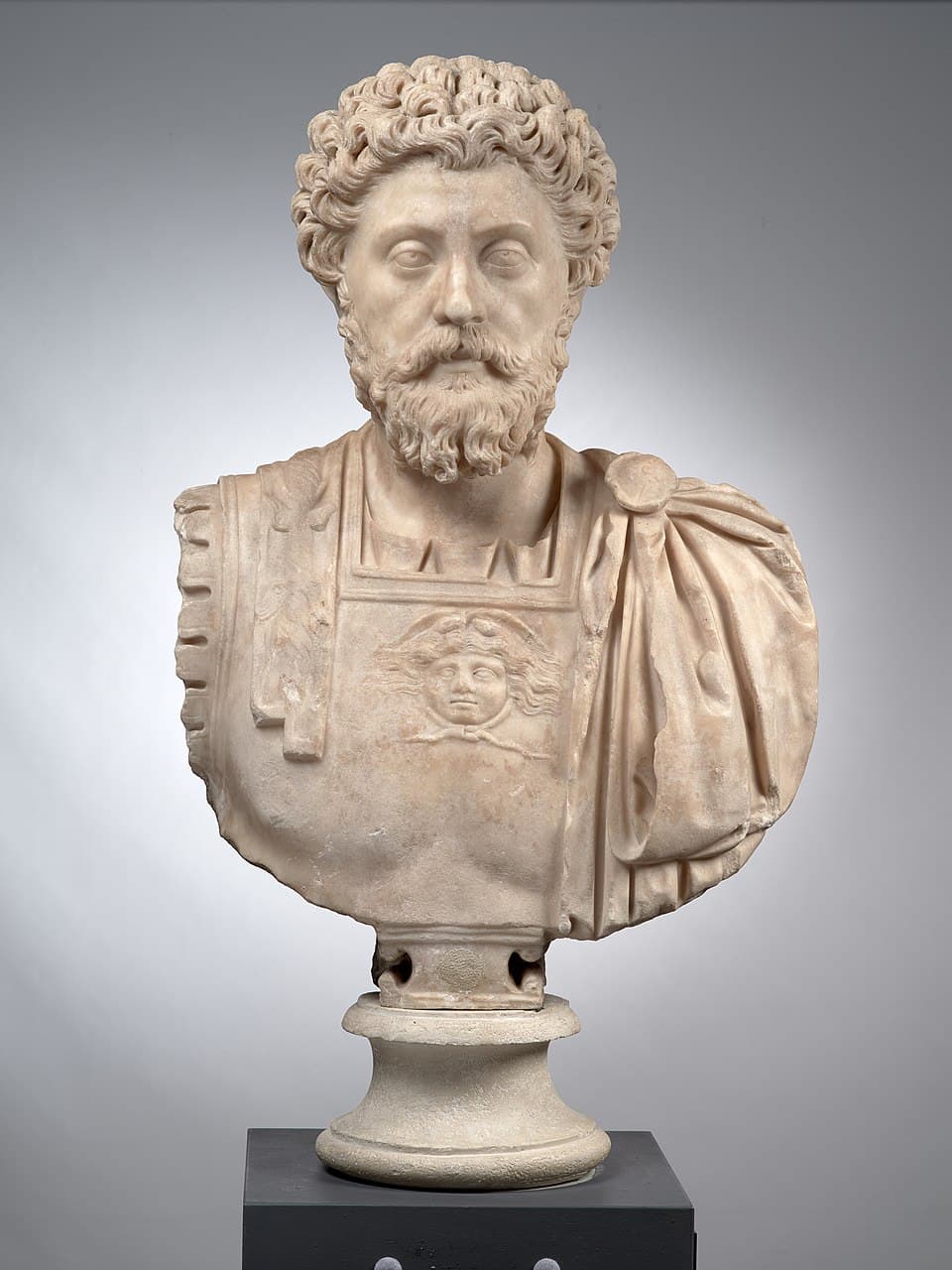
Marcus Aurelius
Meditations...od? and to be in credit among such, be but vanity? What is it that thou dost stay for? an extinction, or a translation; either of them with a propitious and contented mind. But still that time come, what will content thee? what else, but to worship and praise the Gods; and to do good unto men. To bear with them, and to forbear to do them any wrong. And for all external things belonging either to this thy wretched body, or life, to remember that they are neither thine, nor in thy power. XXVIII.
Thou mayest always speed, if thou wilt but make choice of the right way; if in the course both of thine opinions and actions, thou wilt observe a true method. These two things be common to the souls, as of God, so of men, and of every reasonable creature, first that in their own proper work they cannot be hindered by anything: and secondly, that their happiness doth consist in a disposition to, and in the practice of righteousness; and that in these their desire is terminated.
XXIX. If this neither be my wicked act, nor an act anyways depending from any wickedness of mine, and that by it the public is not hurt; what doth it concern me? And wherein can the public be hurt? For thou must not altogether be carried by conceit and common opinion: as for help thou must afford that unto them after thy best ability, and as occasion shall require, though they sustain damage, but in these middle or worldly things; but however do not thou conceive that they are truly hurt there...
2
⚖Goodness Anywhere

Marcus Aurelius
MeditationsThe thesis argues that happiness is possible in any circumstance, including at court, because every being finds its good by fulfilling its natural purpose.
...any of them. But we see contrariwise, that the more a man doth withdraw himself from these wherein external pomp and greatness doth consist, or any other like these; or the better he doth bear with the loss of these, the better he is accounted. XV. Such as thy thoughts and ordinary cogitations are, such will thy mind be in time. For the soul doth as it were receive its tincture from the fancies, and imaginations. Dye it therefore and thoroughly soak it with the assiduity of these cogitations.
As for example. Wheresoever thou mayest live, there it is in thy power to live well and happy. But thou mayest live at the Court, there then also mayest thou live well and happy. Again, that which everything is made for, he is also made unto that, and cannot but naturally incline unto it. That which anything doth naturally incline unto, therein is his end. Wherein the end of everything doth consist, therein also doth his good and benefit consist.
Society therefore is the proper good of a rational creature. For that we are made for society, it hath long since been demonstrated. Or can any man make any question of this, that whatsoever is naturally worse and inferior, is ordinarily subordinated to that which is better? and that those things that are best, are made one for another? And those things that have souls, are better than those that have none? and of those that have, those best that have rational souls? XVI. To desire things impo...
2
⚖Station's Courage

Marcus Aurelius
MeditationsA reflection on the duty to remain steadfast in one's station and prioritize moral integrity over the preservation of life, suggesting that true happiness lies in virtue rather than mere survival.
...Not to lament with them, not to tremble, &c.' XXVI. Out of Plato. 'My answer, full of justice and equity, should be this: Thy speech is not right, O man! if thou supposest that he that is of any worth at all, should apprehend either life or death, as a matter of great hazard and danger; and should not make this rather his only care, to examine his own actions, whether just or unjust: whether actions of a good, or of a wicked man, &c. For thus in very truth stands the case, O ye men of Athens.
What place or station soever a man either hath chosen to himself, judging it best for himself; or is by lawful authority put and settled in, therein do I think (all appearance of danger notwithstanding) that he should continue, as one who feareth neither death, nor anything else, so much as he feareth to commit anything that is vicious and shameful, &c. But, O noble sir, consider I pray, whether true generosity and true happiness, do not consist in somewhat else rather, than in the preservation either of our, or other men's lives.
For it is not the part of a man that is a man indeed, to desire to live long or to make much of his life whilst he liveth: but rather (he that is such) will in these things wholly refer himself unto the Gods, and believing that which every woman can tell him, that no man can escape death; the only thing that he takes thought and care for is this, that what time he liveth, he may live as well and as virtuously as he can possibly, &c. To look about, and with the eyes to follow the course of the s...
4
⚖Happiness Through Knowledge

Marcus Aurelius
MeditationsThe author defines happiness as the thorough understanding of the nature of things and the uninterrupted pursuit of just actions and truthful speech.
...that ask thee, Where hast thou seen the Gods, or how knowest thou certainly that there be Gods, that thou art so devout in their worship? I answer first of all, that even to the very eye, they are in some manner visible and apparent. Secondly, neither have I ever seen mine own soul, and yet I respect and honour it. So then for the Gods, by the daily experience that I have of their power and providence towards myself and others, I know certainly that they are, and therefore worship them. XXII.
Herein doth consist happiness of life, for a man to know thoroughly the true nature of everything; what is the matter, and what is the form of it: with all his heart and soul, ever to do that which is just, and to speak the truth. What then remaineth but to enjoy thy life in a course and coherence of good actions, one upon another immediately succeeding, and never interrupted, though for never so little a while?
XXIII. There is but one light of the sun, though it be intercepted by walls and mountains, and other thousand objects. There is but one common substance of the whole world, though it be concluded and restrained into several different bodies, in number infinite. There is but one common soul, though divided into innumerable particular essences and natures. So is there but one common intellectual soul, though it seem to be divided. And as for all other parts of those generals which we have mentio...
3
⚖Respect Yourself Now

Marcus Aurelius
MeditationsA stern self-admonition to prioritize self-respect and internal happiness over the fleeting opinions of others before life reaches its end.
...lt go about every action as thy last action, free from all vanity, all passionate and wilful aberration from reason, and from all hypocrisy, and self-love, and dislike of those things, which by the fates or appointment of God have happened unto thee. Thou seest that those things, which for a man to hold on in a prosperous course, and to live a divine life, are requisite and necessary, are not many, for the gods will require no more of any man, that shall but keep and observe these things. III.
Do, soul, do; abuse and contemn thyself; yet a while and the time for thee to respect thyself, will be at an end. Every man's happiness depends from himself, but behold thy life is almost at an end, whiles affording thyself no respect, thou dost make thy happiness to consist in the souls, and conceits of other men.
IV. Why should any of these things that happen externally, so much distract thee? Give thyself leisure to learn some good thing, and cease roving and wandering to and fro. Thou must also take heed of another kind of wandering, for they are idle in their actions, who toil and labour in this life, and have no certain scope to which to direct all their motions, and desires. V. For not observing the state of another man's soul, scarce was ever any man known to be unhappy. Tell whosoever they be th...
2