A confession that while humans can exist without individual happiness, such renunciation is only meaningful when it serves to promote the happiness of others.
Happiness as Sacrifice
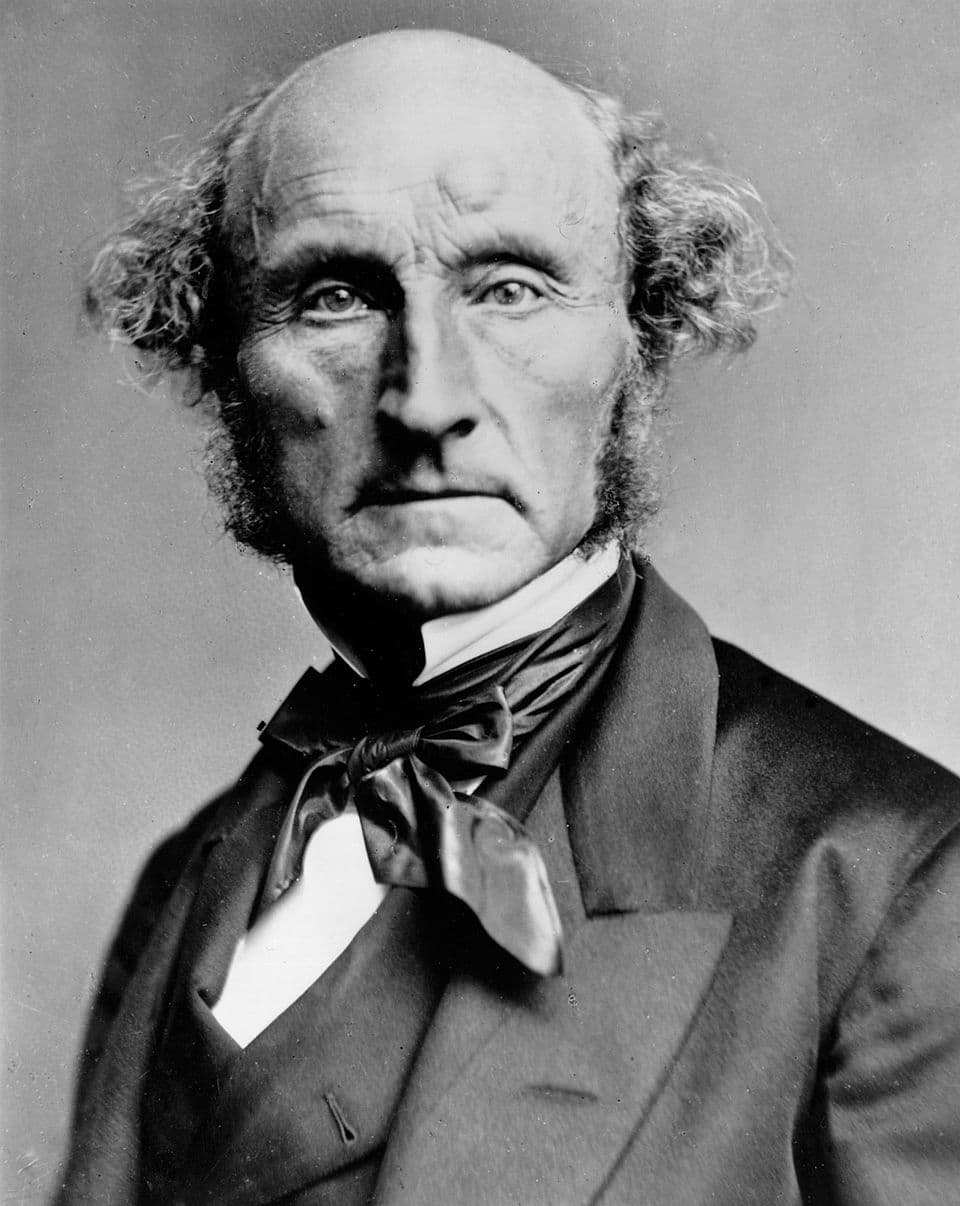
John Stewart Mill
Utilitarianism...omes all that, if will and knowledge were not wanting, it might easily be made--yet every mind sufficiently intelligent and generous to bear a part, however small and unconspicuous, in the endeavour, will draw a noble enjoyment from the contest itself, which he would not for any bribe in the form of selfish indulgence consent to be without. And this leads to the true estimation of what is said by the objectors concerning the possibility, and the obligation, of learning to do without happiness.
Unquestionably it is possible to do without happiness; it is done involuntarily by nineteen-twentieths of mankind, even in those parts of our present world which are least deep in barbarism; and it often has to be done voluntarily by the hero or the martyr, for the sake of something which he prizes more than his individual happiness. But this something, what is it, unless the happiness of others, or some of the requisites of happiness?
It is noble to be capable of resigning entirely one's own portion of happiness, or chances of it: but, after all, this self-sacrifice must be for some end; it is not its own end; and if we are told that its end is not happiness, but virtue, which is better than happiness, I ask, would the sacrifice be made if the hero or martyr did not believe that it would earn for others immunity from similar sacrifices? Would it be made, if he thought that his renunciation of happiness for himself would prod...
2
⚖Sacrifice's Utilitarian Calculus

John Stewart Mill
UtilitarianismMill explains that utilitarianism values self-sacrifice only when it increases the total sum of happiness, viewing sacrifice for its own sake as a wasted effort.
...excess of anxiety concerning the evils of life, and enables him, like many a Stoic in the worst times of the Roman Empire, to cultivate in tranquillity the sources of satisfaction accessible to him, without concerning himself about the uncertainty of their duration, any more than about their inevitable end. Meanwhile, let utilitarians never cease to claim the morality of self-devotion as a possession which belongs by as good a right to them, as either to the Stoic or to the Transcendentalist.
The utilitarian morality does recognise in human beings the power of sacrificing their own greatest good for the good of others. It only refuses to admit that the sacrifice is itself a good. A sacrifice which does not increase, or tend to increase, the sum total of happiness, it considers as wasted. The only self-renunciation which it applauds, is devotion to the happiness, or to some of the means of happiness, of others; either of mankind collectively, or of individuals within the limits imposed by the collective interests of mankind.
I must again repeat, what the assailants of utilitarianism seldom have the justice to acknowledge, that the happiness which forms the utilitarian standard of what is right in conduct, is not the agent's own happiness, but that of all concerned. As between his own happiness and that of others, utilitarianism requires him to be as strictly impartial as a disinterested and benevolent spectator. In the golden rule of Jesus of Nazareth, we read the complete spirit of the ethics of utility. To do as...
4
⚖Sacrifice for Happiness

John Stewart Mill
UtilitarianismMill acknowledges that while self-sacrifice is the highest virtue in an imperfect world, it is only admirable when it increases the total happiness of others rather than being practiced as an ascetic end in itself.
...it is not its own end; and if we are told that its end is not happiness, but virtue, which is better than happiness, I ask, would the sacrifice be made if the hero or martyr did not believe that it would earn for others immunity from similar sacrifices? Would it be made, if he thought that his renunciation of happiness for himself would produce no fruit for any of his fellow creatures, but to make their lot like his, and place them also in the condition of persons who have renounced happiness?
All honour to those who can abnegate for themselves the personal enjoyment of life, when by such renunciation they contribute worthily to increase the amount of happiness in the world; but he who does it, or professes to do it, for any other purpose, is no more deserving of admiration than the ascetic mounted on his pillar. He may be an inspiriting proof of what men can do, but assuredly not an example of what they should. Though it is only in a very imperfect state of the world's arrangements that any one can best serve the happiness of others by the absolute sacrifice of his own, yet so long as the world is in that imperfect state, I…
For nothing except that consciousness can raise a person above the chances of life, by making him feel that, let fate and fortune do their worst, they have not power to subdue him: which, once felt, frees him from excess of anxiety concerning the evils of life, and enables him, like many a Stoic in the worst times of the Roman Empire, to cultivate in tranquillity the sources of satisfaction accessible to him, without concerning himself about the uncertainty of their duration, any more than abou...
Continue reading →
4
⚖Self-Sacrifice's Hidden End

John Stewart Mill
UtilitarianismMill contends that while self-sacrifice is noble, it is not an end in itself; its moral value is derived from its purpose to increase the happiness or security of others.
...thout. And this leads to the true estimation of what is said by the objectors concerning the possibility, and the obligation, of learning to do without happiness. Unquestionably it is possible to do without happiness; it is done involuntarily by nineteen-twentieths of mankind, even in those parts of our present world which are least deep in barbarism; and it often has to be done voluntarily by the hero or the martyr, for the sake of something which he prizes more than his individual happiness.
But this something, what is it, unless the happiness of others, or some of the requisites of happiness? It is noble to be capable of resigning entirely one's own portion of happiness, or chances of it: but, after all, this self-sacrifice must be for some end; it is not its own end; and if we are told that its end is not happiness, but virtue, which is better than happiness, I ask, would the sacrifice be made if the hero or martyr did not believe that it would earn for others immunity from similar sacrifices?
Would it be made, if he thought that his renunciation of happiness for himself would produce no fruit for any of his fellow creatures, but to make their lot like his, and place them also in the condition of persons who have renounced happiness? All honour to those who can abnegate for themselves the personal enjoyment of life, when by such renunciation they contribute worthily to increase the amount of happiness in the world; but he who does it, or professes to do it, for any other purpose, is...
6
⚖Sacrifice's Utilitarian Claim

John Stewart Mill
UtilitarianismThe author asserts that utilitarianism values self-devotion only when it increases the total sum of happiness, viewing sacrifice without such a result as a wasted effort.
...consciousness can raise a person above the chances of life, by making him feel that, let fate and fortune do their worst, they have not power to subdue him: which, once felt, frees him from excess of anxiety concerning the evils of life, and enables him, like many a Stoic in the worst times of the Roman Empire, to cultivate in tranquillity the sources of satisfaction accessible to him, without concerning himself about the uncertainty of their duration, any more than about their inevitable end.
Meanwhile, let utilitarians never cease to claim the morality of self-devotion as a possession which belongs by as good a right to them, as either to the Stoic or to the Transcendentalist. The utilitarian morality does recognise in human beings the power of sacrificing their own greatest good for the good of others. It only refuses to admit that the sacrifice is itself a good. A sacrifice which does not increase, or tend to increase, the sum total of happiness, it considers as wasted.
The only self-renunciation which it applauds, is devotion to the happiness, or to some of the means of happiness, of others; either of mankind collectively, or of individuals within the limits imposed by the collective interests of mankind. I must again repeat, what the assailants of utilitarianism seldom have the justice to acknowledge, that the happiness which forms the utilitarian standard of what is right in conduct, is not the agent's own happiness, but that of all concerned. As between h...
4