Habit's Three Stages
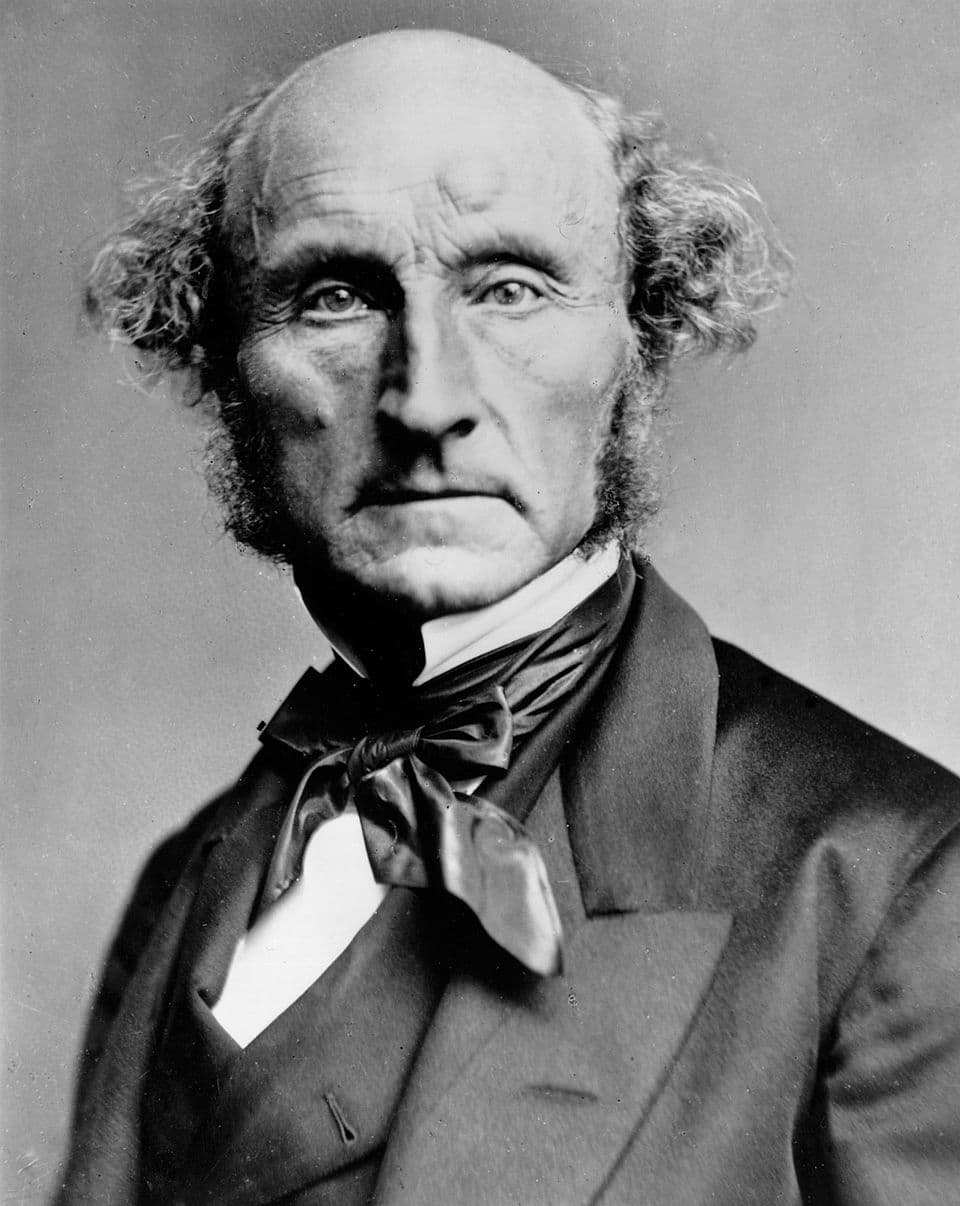
John Stewart Mill
Utilitarianism

The author explores how actions originally driven by specific motives can become habitual, occurring either unconsciously or through a settled will that aligns with one's long-term character and goals.

...lly as any one. Will, the active phenomenon, is a different thing from desire, the state of passive sensibility, and though originally an offshoot from it, may in time take root and detach itself from the parent stock; so much so, that in the case of an habitual purpose, instead of willing the thing because we desire it, we often desire it only because we will it. This, however, is but an instance of that familiar fact, the power of habit, and is nowise confined to the case of virtuous actions.
Many indifferent things, which men originally did from a motive of some sort, they continue to do from habit. Sometimes this is done unconsciously, the consciousness coming only after the action: at other times with conscious volition, but volition which has become habitual, and is put into operation by the force of habit, in opposition perhaps to the deliberate preference, as often happens with those who have contracted habits of vicious or hurtful indulgence. Third and last comes the case in which the habitual act of will in the individual instance is not in contradiction to the general intention prevailing at other times, but in fulfilment…
The distinction between will and desire thus understood, is an authentic and highly important psychological fact; but the fact consists solely in this--that will, like all other parts of our constitution, is amenable to habit, and that we may will from habit what we no longer desire for itself, or desire only because we will it. It is not the less true that will, in the beginning, is entirely produced by desire; including in that term the repelling influence of pain as well as the attractive on...
Continue reading →
6
Will's Habitual Chains
John Stewart Mill
Utilitarianism

Mill describes the relationship between will, desire, and habit, suggesting that virtue must become a habit to ensure constancy of action when the immediate pull of pleasure or pain is insufficient.

...akened? Only by making the person desire virtue--by making him think of it in a pleasurable light, or of its absence in a painful one. It is by associating the doing right with pleasure, or the doing wrong with pain, or by eliciting and impressing and bringing home to the person's experience the pleasure naturally involved in the one or the pain in the other, that it is possible to call forth that will to be virtuous, which, when confirmed, acts without any thought of either pleasure or pain.
Will is the child of desire, and passes out of the dominion of its parent only to come under that of habit. That which is the result of habit affords no presumption of being intrinsically good; and there would be no reason for wishing that the purpose of virtue should become independent of pleasure and pain, were it not that the influence of the pleasurable and painful associations which prompt to virtue is not sufficiently to be depended on for unerring constancy of action until it has acquired the support of habit.
Both in feeling and in conduct, habit is the only thing which imparts certainty; and it is because of the importance to others of being able to rely absolutely on one's feelings and conduct, and to oneself of being able to rely on one's own, that the will to do right ought to be cultivated into this habitual independence. In other words, this state of the will is a means to good, not intrinsically a good; and does not contradict the doctrine that nothing is a good to human beings but in so far...
6
Will's Habitual Nature
John Stewart Mill
Utilitarianism

The text distinguishes between will and desire, noting that while the will is initially produced by desire, it can become a habit that persists even when the original desire has faded.

...s put into operation by the force of habit, in opposition perhaps to the deliberate preference, as often happens with those who have contracted habits of vicious or hurtful indulgence. Third and last comes the case in which the habitual act of will in the individual instance is not in contradiction to the general intention prevailing at other times, but in fulfilment of it; as in the case of the person of confirmed virtue, and of all who pursue deliberately and consistently any determinate end.
The distinction between will and desire thus understood, is an authentic and highly important psychological fact; but the fact consists solely in this--that will, like all other parts of our constitution, is amenable to habit, and that we may will from habit what we no longer desire for itself, or desire only because we will it. It is not the less true that will, in the beginning, is entirely produced by desire; including in that term the repelling influence of pain as well as the attractive one of pleasure. Let us take into consideration, no longer the person who has a confirmed will to do right, but him in whom that virtuous will is still…
How can the will to be virtuous, where it does not exist in sufficient force, be implanted or awakened? Only by making the person desire virtue--by making him think of it in a pleasurable light, or of its absence in a painful one. It is by associating the doing right with pleasure, or the doing wrong with pain, or by eliciting and impressing and bringing home to the person's experience the pleasure naturally involved in the one or the pain in the other, that it is possible to call forth that...
Continue reading →
6
End of shuffled session