Morality's Missing First Principle
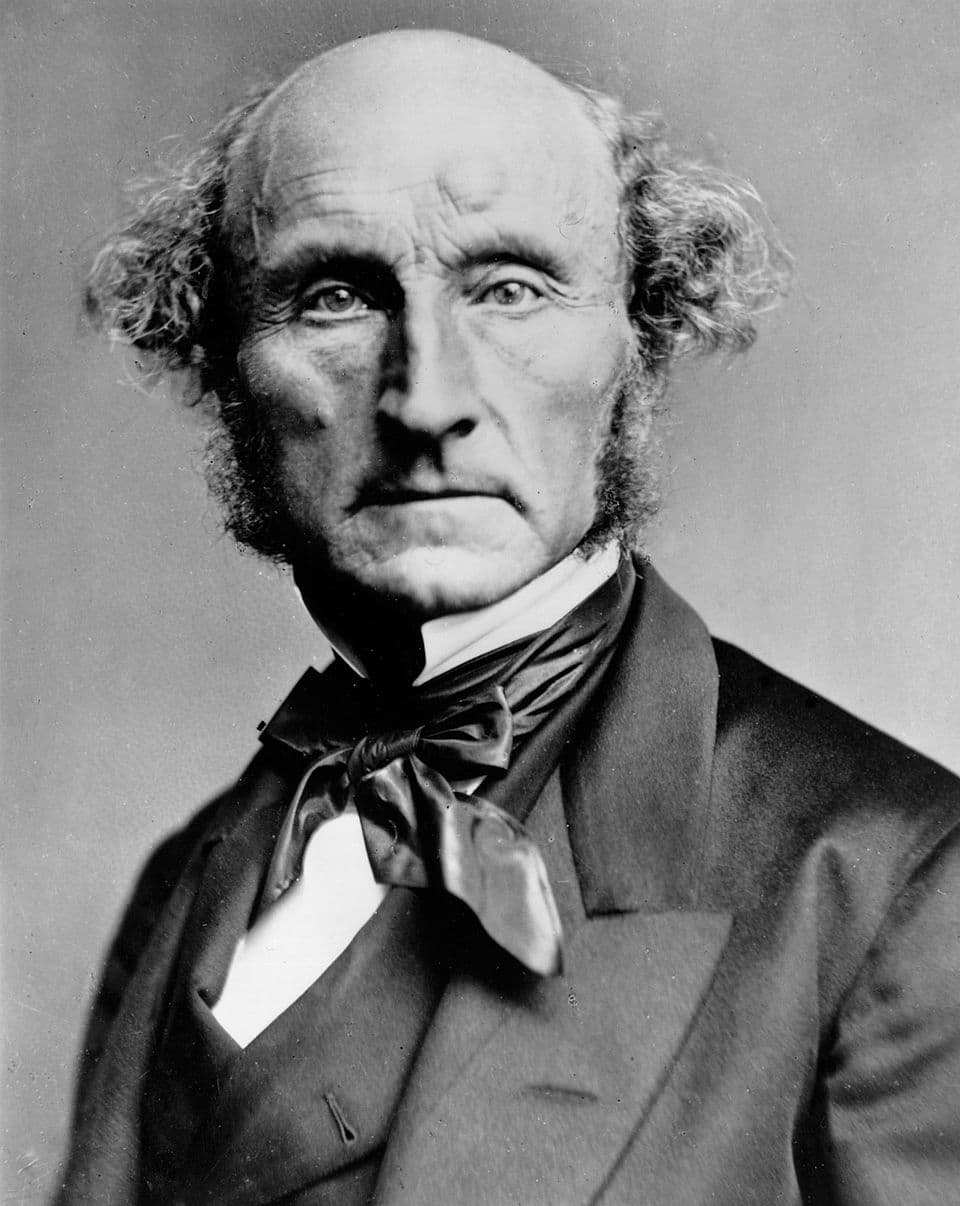
John Stewart Mill
UtilitarianismMill critiques both intuitive and inductive schools of ethics for failing to clearly define or reduce their moral precepts to a single, authoritative first principle of obligation.
...he necessity of general laws. They both agree that the morality of an individual action is not a question of direct perception, but of the application of a law to an individual case. They recognise also, to a great extent, the same moral laws; but differ as to their evidence, and the source from which they derive their authority. According to the one opinion, the principles of morals are evident à priori, requiring nothing to command assent, except that the meaning of the terms be understood.
According to the other doctrine, right and wrong, as well as truth and falsehood, are questions of observation and experience. But both hold equally that morality must be deduced from principles; and the intuitive school affirm as strongly as the inductive, that there is a science of morals. Yet they seldom attempt to make out a list of the à priori principles which are to serve as the premises of the science; still more rarely do they make any effort to reduce those various principles to one first principle, or common ground of obligation. They either assume the ordinary precepts of morals as of à priori authority, or they lay down as…
Yet to support their pretensions there ought either to be some one fundamental principle or law, at the root of all morality, or if there be several, there should be a determinate order of precedence among them; and the one principle, or the rule for deciding between the various principles when they conflict, ought to be self-evident. To inquire how far the bad effects of this deficiency have been mitigated in practice, or to what extent the moral beliefs of mankind have been vitiated or made...
Continue reading →
6