Conscience's Malleable Cultivation
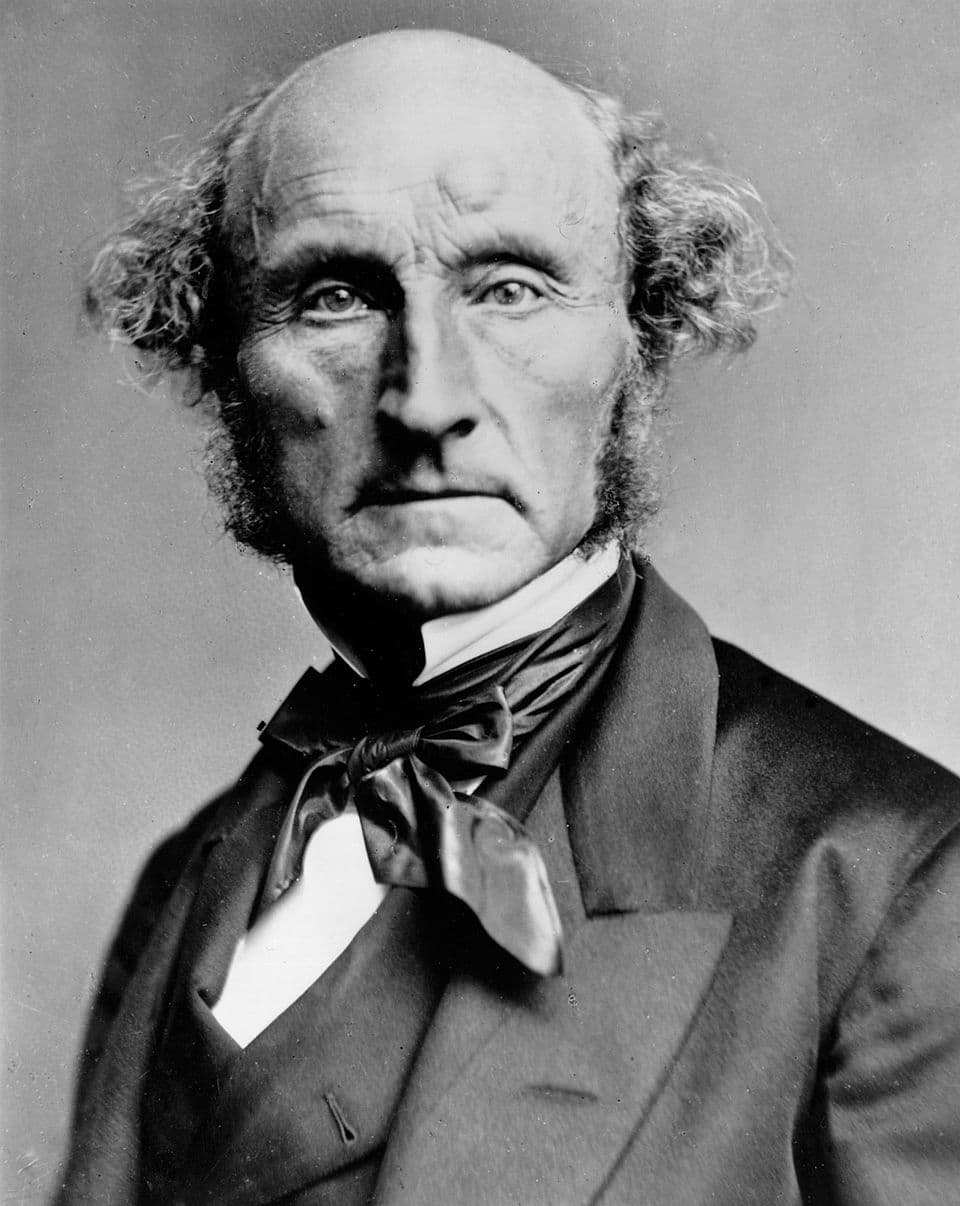
John Stewart Mill
UtilitarianismThe author suggests that the moral faculty is a natural outgrowth of human nature that can be cultivated in many directions, implying that the principle of utility can be firmly implanted through education and social influence.
...n the other hand, if, as is my own belief, the moral feelings are not innate, but acquired, they are not for that reason the less natural. It is natural to man to speak, to reason, to build cities, to cultivate the ground, though these are acquired faculties. The moral feelings are not indeed a part of our nature, in the sense of being in any perceptible degree present in all of us; but this, unhappily, is a fact admitted by those who believe the most strenuously in their transcendental origin.
Like the other acquired capacities above referred to, the moral faculty, if not a part of our nature, is a natural outgrowth from it; capable, like them, in a certain small degree, of springing up spontaneously; and susceptible of being brought by cultivation to a high degree of development. Unhappily it is also susceptible, by a sufficient use of the external sanctions and of the force of early impressions, of being cultivated in almost any direction: so that there is hardly anything so absurd or so mischievous that it may not, by means of these influences, be made to act on the human mind with all the authority of conscience. To doubt that…
But moral associations which are wholly of artificial creation, when intellectual culture goes on, yield by degrees to the dissolving force of analysis: and if the feeling of duty, when associated with utility, would appear equally arbitrary; if there were no leading department of our nature, no powerful class of sentiments, with which that association would harmonize, which would make us feel it congenial, and incline us not only to foster it in others (for which we have abundant interested m...
Continue reading →
6