Tranquility vs Excitement
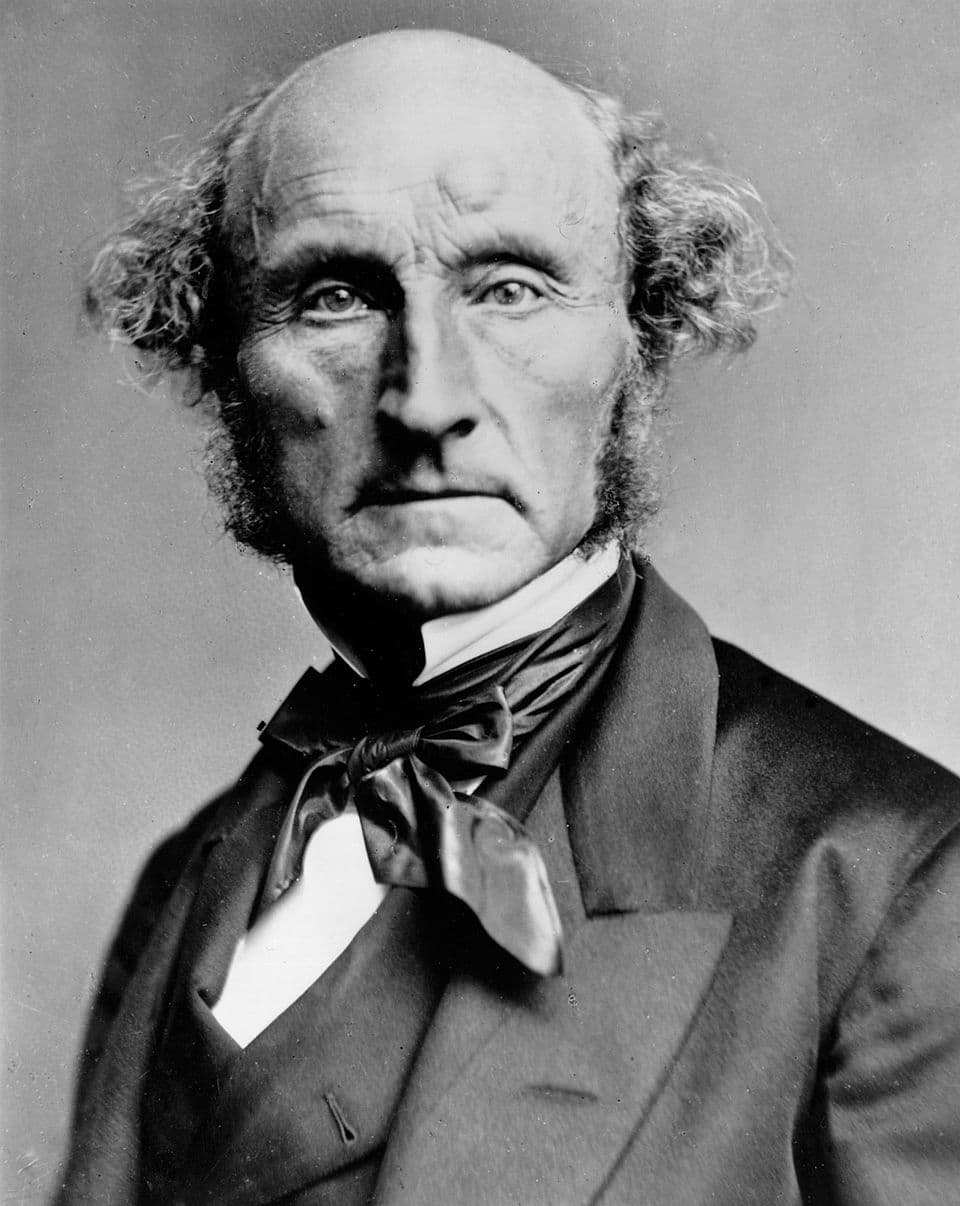
John Stewart Mill
UtilitarianismThe author identifies tranquillity and excitement as the two main components of a satisfied life, arguing that they are naturally allied and achievable for the masses.
...appeared worthy of the name of happiness. And such an existence is even now the lot of many, during some considerable portion of their lives. The present wretched education, and wretched social arrangements, are the only real hindrance to its being attainable by almost all. The objectors perhaps may doubt whether human beings, if taught to consider happiness as the end of life, would be satisfied with such a moderate share of it. But great numbers of mankind have been satisfied with much less.
The main constituents of a satisfied life appear to be two, either of which by itself is often found sufficient for the purpose: tranquillity, and excitement. With much tranquillity, many find that they can be content with very little pleasure: with much excitement, many can reconcile themselves to a considerable quantity of pain. There is assuredly no inherent impossibility in enabling even the mass of mankind to unite both; since the two are so far from being incompatible that they are in natural alliance, the prolongation of either being a preparation for, and exciting a wish for, the other.
It is only those in whom indolence amounts to a vice, that do not desire excitement after an interval of repose; it is only those in whom the need of excitement is a disease, that feel the tranquillity which follows excitement dull and insipid, instead of pleasurable in direct proportion to the excitement which preceded it. When people who are tolerably fortunate in their outward lot do not find in life sufficient enjoyment to make it valuable to them, the cause generally is, caring for nobody...
2