Will's Habitual Chains
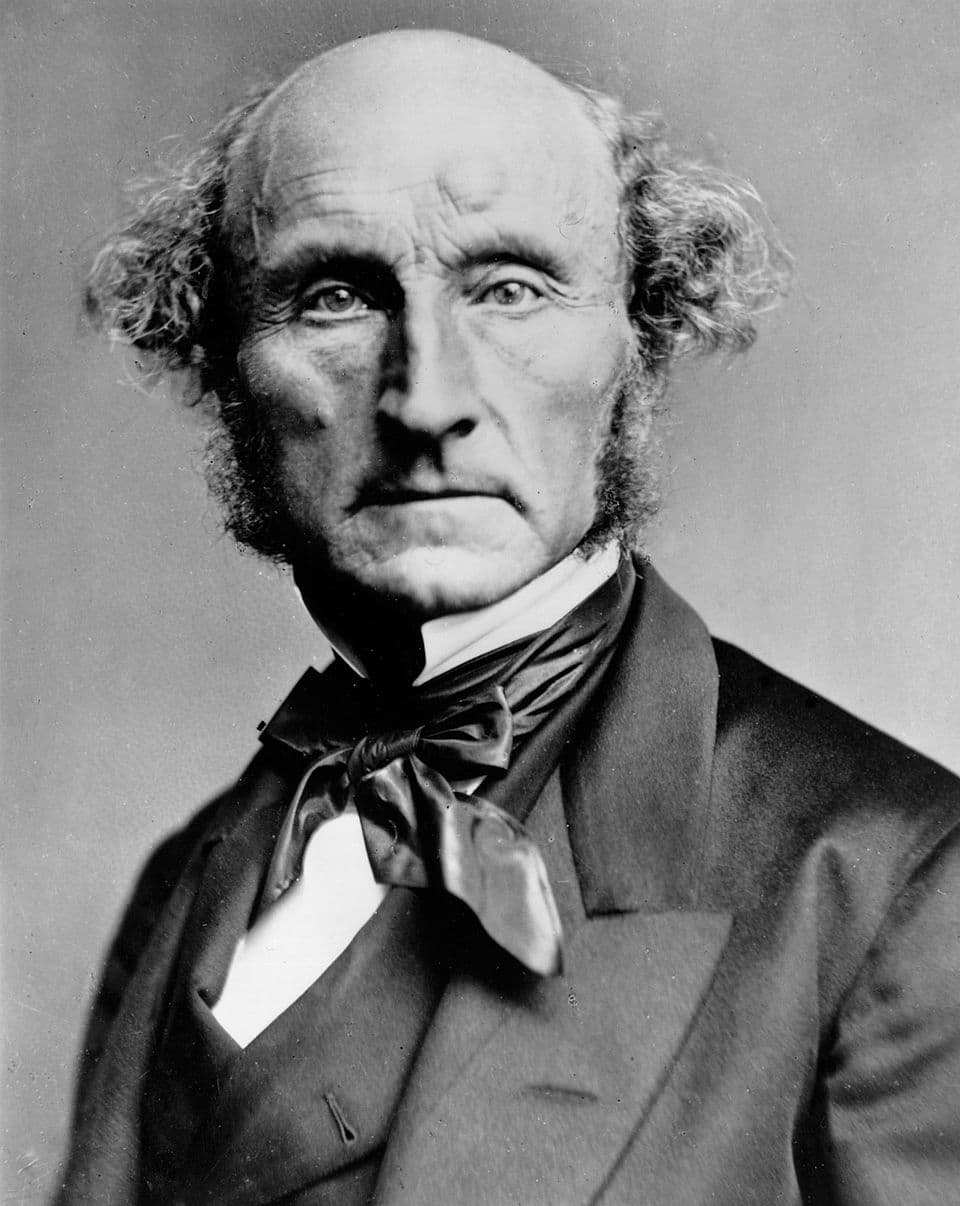
John Stewart Mill
UtilitarianismMill describes the relationship between will, desire, and habit, suggesting that virtue must become a habit to ensure constancy of action when the immediate pull of pleasure or pain is insufficient.
...akened? Only by making the person desire virtue--by making him think of it in a pleasurable light, or of its absence in a painful one. It is by associating the doing right with pleasure, or the doing wrong with pain, or by eliciting and impressing and bringing home to the person's experience the pleasure naturally involved in the one or the pain in the other, that it is possible to call forth that will to be virtuous, which, when confirmed, acts without any thought of either pleasure or pain.
Will is the child of desire, and passes out of the dominion of its parent only to come under that of habit. That which is the result of habit affords no presumption of being intrinsically good; and there would be no reason for wishing that the purpose of virtue should become independent of pleasure and pain, were it not that the influence of the pleasurable and painful associations which prompt to virtue is not sufficiently to be depended on for unerring constancy of action until it has acquired the support of habit.
Both in feeling and in conduct, habit is the only thing which imparts certainty; and it is because of the importance to others of being able to rely absolutely on one's feelings and conduct, and to oneself of being able to rely on one's own, that the will to do right ought to be cultivated into this habitual independence. In other words, this state of the will is a means to good, not intrinsically a good; and does not contradict the doctrine that nothing is a good to human beings but in so far...
6