Money as End
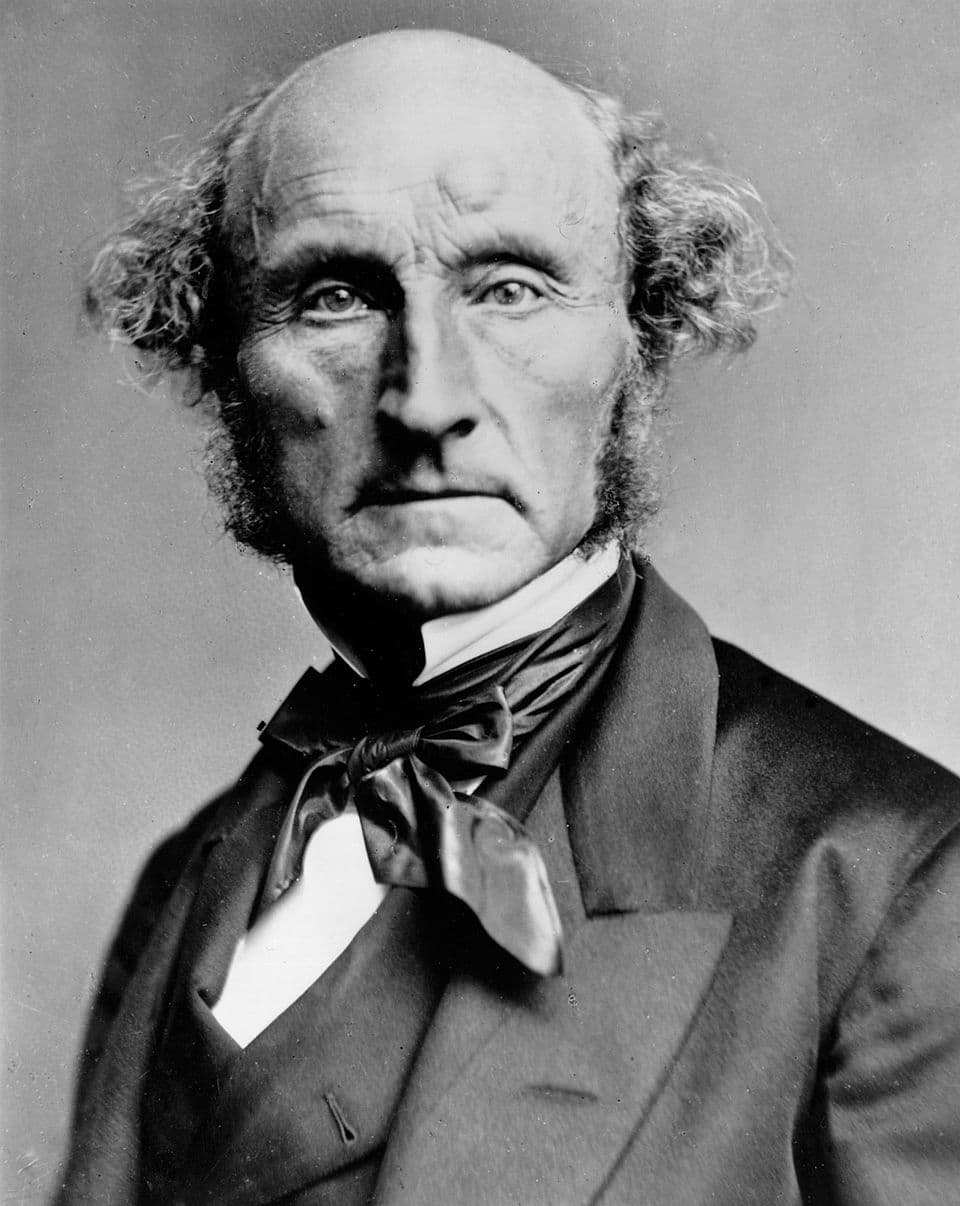
John Stewart Mill
UtilitarianismUsing the love of money as an example, Mill explains how things originally desired as means to an end can, through association, come to be desired as part of the end itself.
...end, but it is capable of becoming so; and in those who love it disinterestedly it has become so, and is desired and cherished, not as a means to happiness, but as a part of their happiness. To illustrate this farther, we may remember that virtue is not the only thing, originally a means, and which if it were not a means to anything else, would be and remain indifferent, but which by association with what it is a means to, comes to be desired for itself, and that too with the utmost intensity.
What, for example, shall we say of the love of money? There is nothing originally more desirable about money than about any heap of glittering pebbles. Its worth is solely that of the things which it will buy; the desires for other things than itself, which it is a means of gratifying. Yet the love of money is not only one of the strongest moving forces of human life, but money is, in many cases, desired in and for itself; the desire to possess it is often stronger than the desire to use it, and goes on increasing when all the desires which point to ends beyond it, to be compassed by it, are falling off. It may be then said truly, that money…
From being a means to happiness, it has come to be itself a principal ingredient of the individual's conception of happiness. The same may be said of the majority of the great objects of human life--power, for example, or fame; except that to each of these there is a certain amount of immediate pleasure annexed, which has at least the semblance of being naturally inherent in them; a thing which cannot be said of money. Still, however, the strongest natural attraction, both of power and of fame,...
Continue reading →
6