Relics as Connections
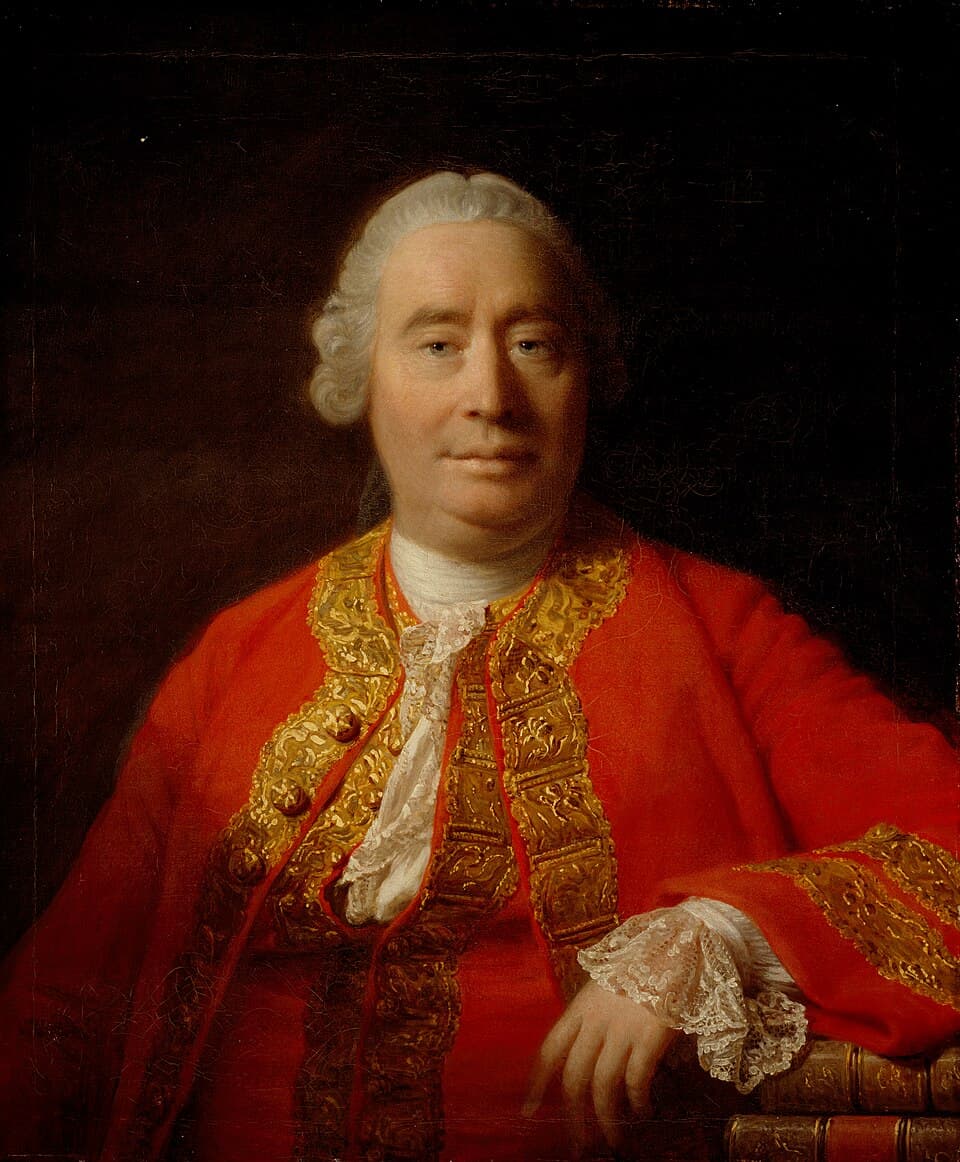
David Hume
An Enquiry Concerning Human UnderstandingThe author explains the psychological mechanism by which physical objects, like relics or the sight of a friend's son, enliven associated ideas in the mind.
...a illa sessio fuit, quam videmus. Equidem etiam curiam nostram, Hostiliam dico, non hanc novam, quae mihi minor esse videtur postquam est maior, solebam intuens, Scipionem, Catonem, Laelium, nostrum vero in primis avum cogitare. Tanta vis admonitionis est in locis; ut non sine causa ex his memoriae deducta sit disciplina.' Cicero de Finibus. Lib. v. 43. No one can doubt but causation has the same influence as the other two relations of resemblance and contiguity.
Superstitious people are fond of the reliques of saints and holy men, for the same reason, that they seek after types or images, in order to enliven their devotion, and give them a more intimate and strong conception of those exemplary lives, which they desire to imitate. Now it is evident, that one of the best reliques, which a devotee could procure, would be the handywork of a saint; and if his cloaths and furniture are ever to be considered in this light, it is because they were once at his disposal, and were moved and affected by him; in which respect they are to be considered as imperfect effects, and as connected with him by a shorter…
This is another phaenomenon, which seems to prove the principle above mentioned. 44. We may observe, that, in these phaenomena, the belief of the correlative object is always presupposed; without which the relation could have no effect. The influence of the picture supposes, that we believe our friend to have once existed. Contiguity to home can never excite our ideas of home, unless we believe that it really exists. Now I assert, that this belief, where it reaches beyond the memory or sen...
Continue reading →
5