God's Incorruptible Good
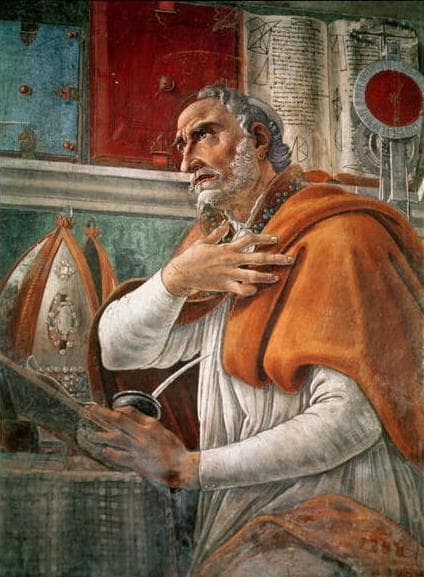
Augustine of Hippo
ConfessionsThe author argues that God is incorruptible by definition, as His will and power are identical to His essence.
...than Thou, who art the sovereign and the best good. But since most truly and certainly, the incorruptible is preferable to the corruptible (as I did now prefer it), then, wert Thou not incorruptible, I could in thought have arrived at something better than my God. Where then I saw the incorruptible to be preferable to the corruptible, there ought I to seek for Thee, and there observe "wherein evil itself was"; that is, whence corruption comes, by which Thy substance can by no means be impaired.
For corruption does no ways impair our God; by no will, by no necessity, by no unlooked-for chance: because He is God, and what He wills is good, and Himself is that good; but to be corrupted is not good. Nor art Thou against Thy will constrained to any thing, since Thy will is not greater than Thy power. But greater should it be, were Thyself greater than Thyself. For the will and power of God is God Himself.
And what can be unlooked-for by Thee, Who knowest all things? Nor is there any nature in things, but Thou knowest it. And what should we more say, "why that substance which God is should not be corruptible," seeing if it were so, it should not be God? And I sought "whence is evil," and sought in an evil way; and saw not the evil in my very search. I set now before the sight of my spirit the whole creation, whatsoever we can see therein (as sea, earth, air, stars, trees, mortal creatures); yea,...
5