Will Over Intellect
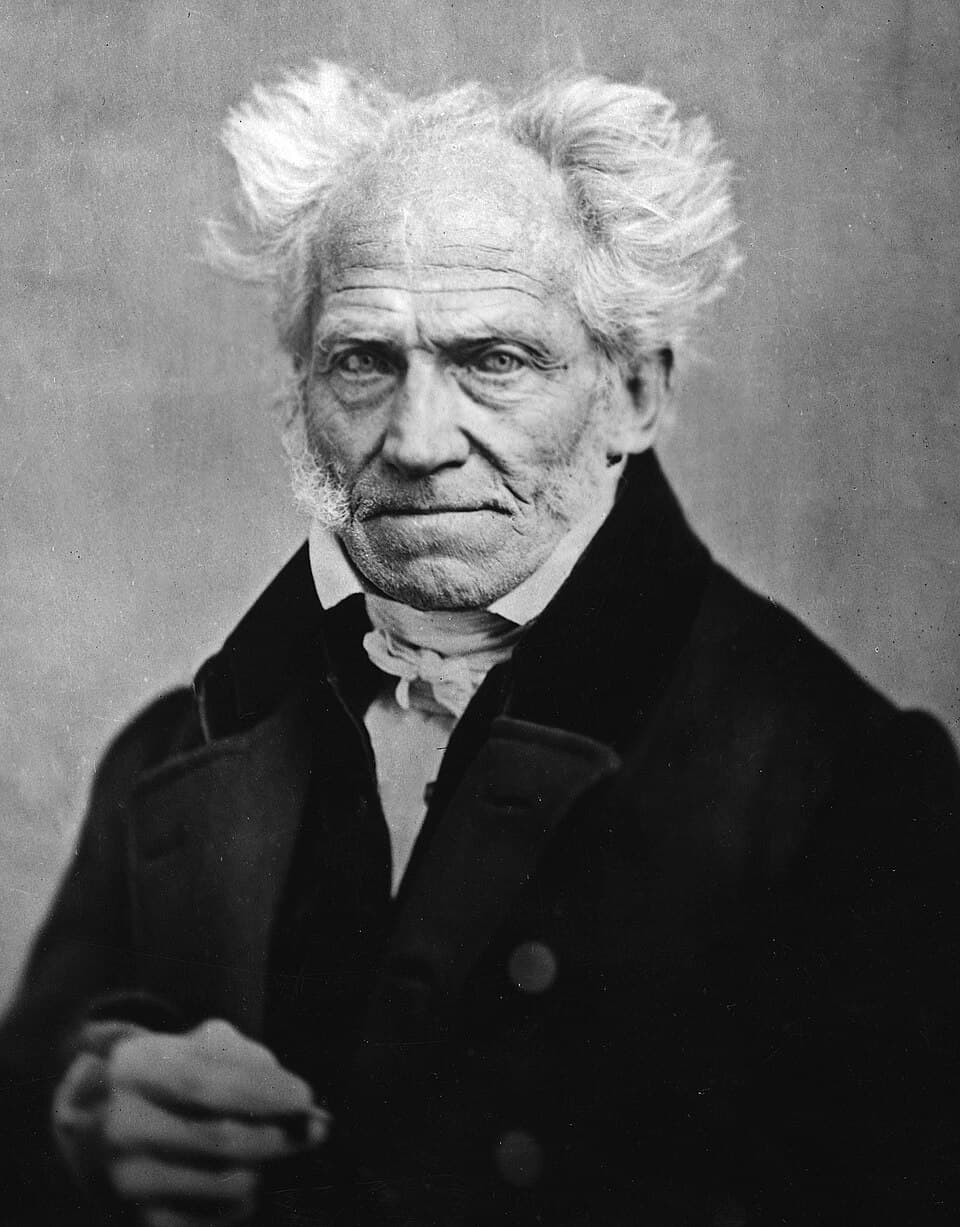
Arthur Schopenhauer
The Wisdom of LifeThe author defines vulgarity as a state where the intellect is entirely enslaved by the will, resulting in a vacancy of mind whenever immediate passions are not being served.
...cites his will, that is to say, is a matter of personal interest to him. But constant excitement of the will is never an unmixed good, to say the least; in other words, it involves pain. Card-playing, that universal occupation of "good society" everywhere, is a device for providing this kind of excitement, and that, too, by means of interests so small as to produce slight and momentary, instead of real and permanent, pain. Card-playing is, in fact, a mere tickling of the will.[1] [Footnote 1:
Vulgarity is, at bottom, the kind of consciousness in which the will completely predominates over the intellect, where the latter does nothing more than perform the service of its master, the will. Therefore, when the will makes no demands, supplies no motives, strong or weak, the intellect entirely loses its power, and the result is complete vacancy of mind. Now will without intellect is the most vulgar and common thing in the world, possessed by every blockhead, who, in the gratification of his passions, shows the stuff of which he is made.
This is the condition of mind called vulgarity, in which the only active elements are the organs of sense, and that small amount of intellect which is necessary for apprehending the data of sense. Accordingly, the vulgar man is constantly open to all sorts of impressions, and immediately perceives all the little trifling things that go on in his environment: the lightest whisper, the most trivial circumstance, is sufficient to rouse his attention; he is just like an animal. Such a man's menta...
6